

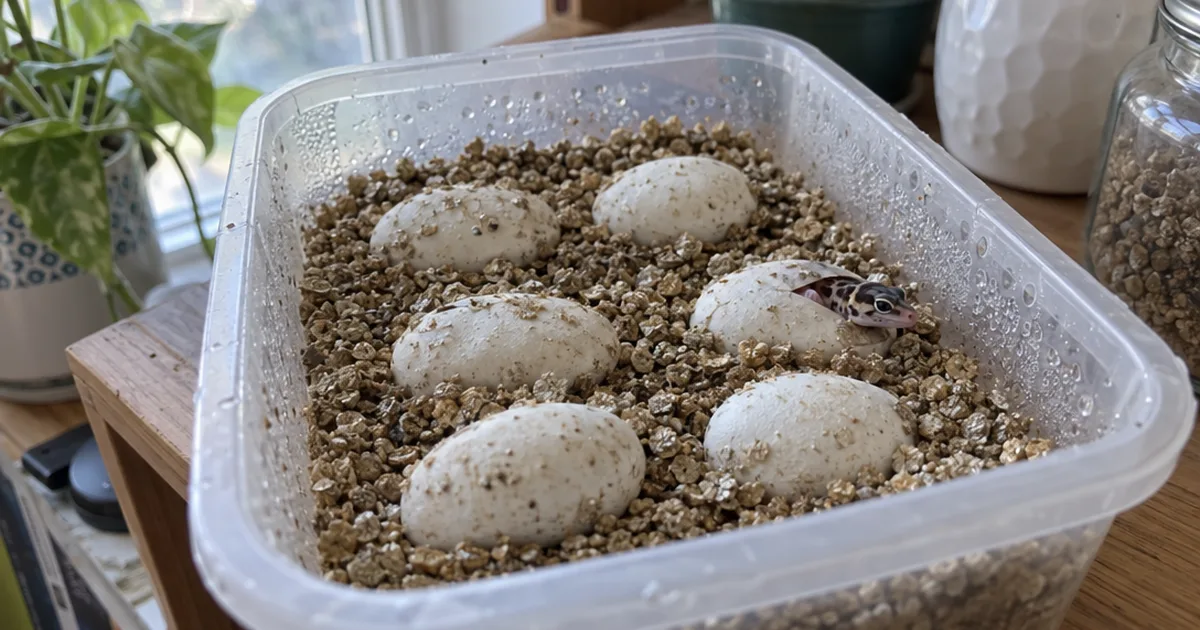
Two female bearded dragons once produced 91 babies in a single summer.
That’s what happened to one family in England, and feeding all 94 animals cost them about £6 a day.
Reptile breeding can scale up fast, and the hard part usually starts after the eggs hatch.
Below, you’ll get the honest money picture from people who breed, the gear and space you need first, and the whole process from cycling to hatching, step by step.
What Is Reptile Breeding?
Reptile breeding is the planned pairing of captive reptiles so they produce fertile eggs or live young. It’s one branch of the hobby called herpetoculture, which means keeping reptiles and amphibians in captivity.
A breeder sets up the conditions that trigger mating. Then the breeder cares for the eggs or babies until they can go to new homes.
That kind of control is fairly new.
PetPlace’s staff guide from 2015 notes that keepers once couldn’t even tell the sexes of many species apart. Thanks to successful breeding programs, the same guide says, species once considered rare are now seen regularly.
The biology behind it varies a lot between groups.
The details of fertilization, eggs and live birth are covered in how reptiles reproduce. This page stays on the practical side: whether you should breed, what it costs, and how a typical breeding season runs.
If you remember one thing, make it this: breeding is a project you plan months ahead, not something you try with the 2 pets you already own.
Should You Breed Your Pet Reptile?
Breeding your pet reptile only makes sense if you have a plan for every baby and a species that buyers want. For most pet owners, the honest answer is no.
Here’s why.
Reptiles don’t get lonely, and they don’t need a partner to be content. Owners often pair a male and female because the male seems restless, but that’s a human feeling placed on an animal that lives alone in the wild.
Pairing has real costs for the animals, too. A male kept with a female can pester her nonstop, and mating itself can injure one or both of them.
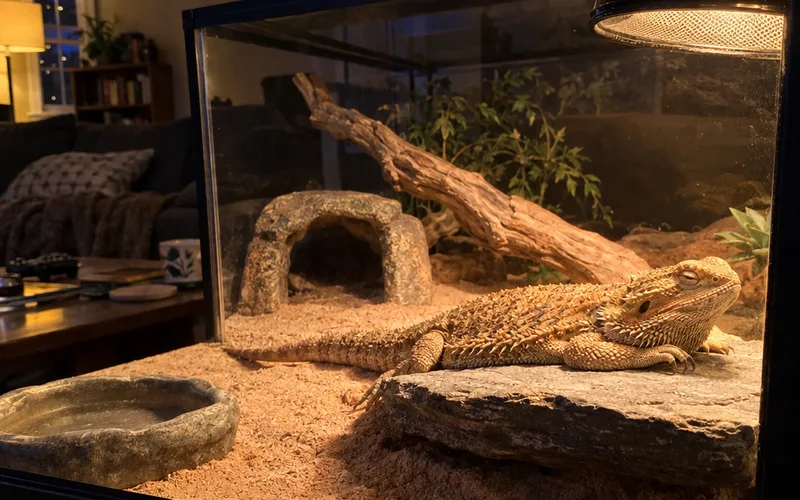
Eggs take a toll as well. Making a clutch pulls calcium and energy out of the female’s body.
Then there’s the market.
Popular pet species such as ball pythons, leopard geckos and bearded dragons already have saturated markets, so selling their babies is hard. Extra babies in a crowded market often end up in classified ads or crowded pet store tanks.
And one pairing can mean a lot of babies. In a 2012 Daily Mail report, 2 female bearded dragons produced 91 hatchlings in one summer.
So if your goal is a happier pet, skip breeding and improve its enclosure instead. The Reptile Basics guides cover heat, light and space for each species, and those upgrades help an animal far more than a mate would.
Key Takeaway: Breed because you want to produce healthy animals of a species you know well, never to fix a pet’s boredom or to make easy money.
Is Reptile Breeding Profitable?
Reptile breeding is rarely profitable for small breeders, and hobby breeders on a 2025 MorphMarket forum thread said it took them years just to break even. At best, the animals end up paying for part of their own upkeep.
The numbers they shared are sobering.
In a February 2025 MorphMarket community thread, one small breeder wrote that it took 5 years of breeding to stop running at a complete loss. Now, the same breeder said, the animals only cover the cost of keeping them.
Another member described a kingsnake project in detail. That breeder produced 4 clutches over 5 years and made “a teeny bit over $1k” in that time, and every dollar went back into enclosures, food and bedding.
That’s about $200 a year.
A third breeder in the thread put it bluntly: no pair you can buy for under $1,000 will make you money, and most small breeders barely break even. Those are forum posts from individual keepers, not industry data, but they match what the rest of the thread reported.

Why is profit so hard?
Because the costs arrive before the sales. You pay for adults, caging, food, heat and vet care for a year or more before a single baby is ready to sell.
And when the babies are ready, buyers aren’t guaranteed. The kingsnake breeder said it took 2 years to sell a first snake.
If you need the money to keep your current animals, breeding will make that problem worse, not better. Treat any income as a bonus that offsets costs, and budget as if it may never come.
How Much Does It Cost to Start Breeding Reptiles?
Starting to breed reptiles costs far more than a breeding pair, because baby caging, an incubator, food and emergency vet care all come first. Hobby breeders in one forum thread reported a single $800 vet bill and about $2,000 for new caging for 20 animals.
Let’s break that down.
Housing for babies: one breeder in the same forum thread said new caging for 20 animals cost about double a $1,000 pair, so roughly $2,000. That works out to about $100 per animal, and every hatchling needs its own setup until it sells.
Vet bills: another breeder reported almost $3,000 in vet bills over just over 4 years of keeping and breeding. Those bills included a female that became egg bound and needed spay surgery twice.
Testing after a loss: a third breeder paid $800 for a necropsy and testing after a breeding male died suddenly from an infection. He had been paired with several females, so the other snakes had to be checked and quarantined too.
Food for the whole group: the family in a 2012 Daily Mail story spent about £6 a day feeding 94 bearded dragons a diet of live food plus calcium supplements. The breeder who paid for new caging also asked whether you’ll raise your own feeders, because feeding costs add up.
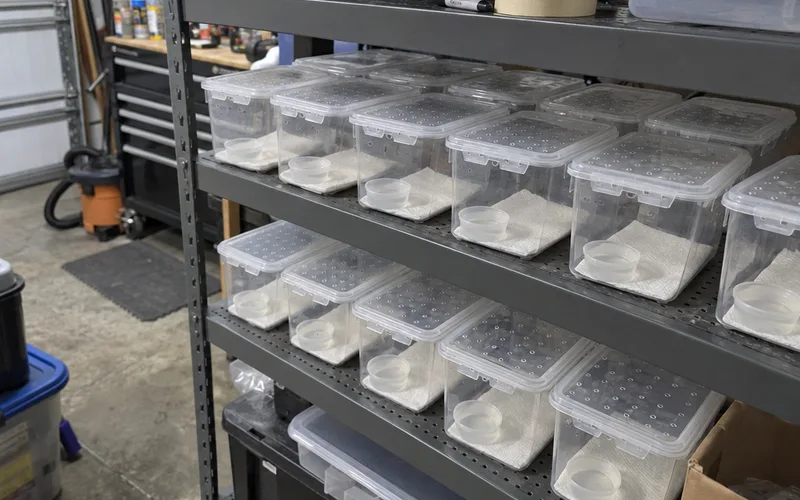
Equipment: you’ll need an incubator, egg boxes, a scale, thermometers and spare enclosures or a rack system before eggs appear. A homemade reptile incubator can cut that cost, as long as it holds a steady temperature.
Here’s a simple way to estimate your own number.
Say your species usually lays 10 eggs and a basic hatchling setup costs about $100, the per-animal rate above. That’s about $1,000 in caging for one clutch, before food, heat or a single vet visit.
Then add an emergency vet fund of at least the $800 one breeder paid for a single necropsy. Now you have a realistic starting budget for one season.
Note: The forum figures above are individual breeders’ own reports, so your costs will depend on your species, your area and how many animals you keep.
What Do You Need to Become a Reptile Breeder?
Becoming a reptile breeder takes 5 things: deep knowledge of one species, healthy adults, gear for eggs and babies, an exotics vet, and a plan for every hatchling. Missing any one of them usually costs animals or money.
Here’s the checklist I’d work through before buying a single breeder:
- Species knowledge. Learn your species’ normal behavior, its breeding season, how it signals readiness, and its genetics if you plan to work with morphs.
- Healthy, mature adults. Both animals need a good weight with strong muscle and energy reserves, so young or thin animals should wait.
- Separate housing. Keep the male and female apart except during supervised pairings.
- Egg and baby gear. Have the incubator running and spare enclosures set up before you pair anything.
- An exotics vet. Find a vet who treats your species now, because the odds of needing one go up when you breed.
- A sales plan. Know where you’ll list babies and what you’ll do if they don’t sell.
Time belongs on that list too.
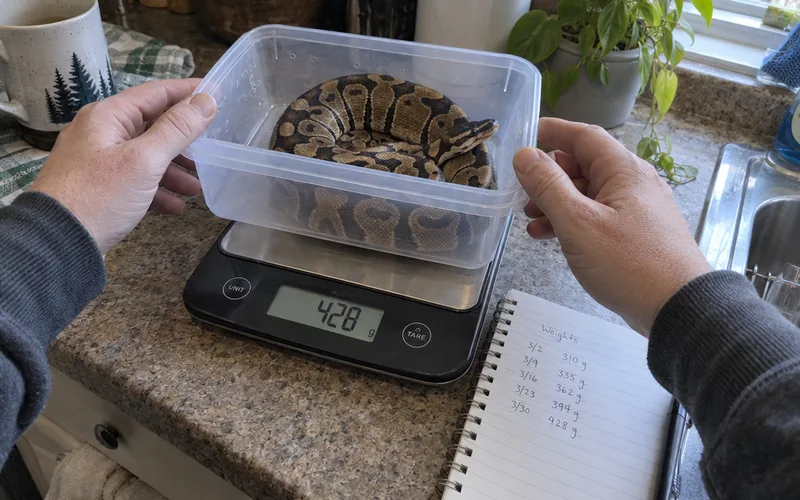
One forum breeder described the routine as cleaning, feeding, weighing, documenting and observing animals, plus handling them so they stay tame. On top of that come social media, ads, customer messages and trips to FedEx if you ship.
Planning takes time as well. The kingsnake breeder spent 2 years thinking, researching and planning, from 2018 to a first pairing in 2020.
The best time to buy gear is before you need it. Eggs and newborns can’t wait, and scrambling for an incubator after a female lays is how clutches die.
What’s the Easiest Reptile to Breed for Beginners?
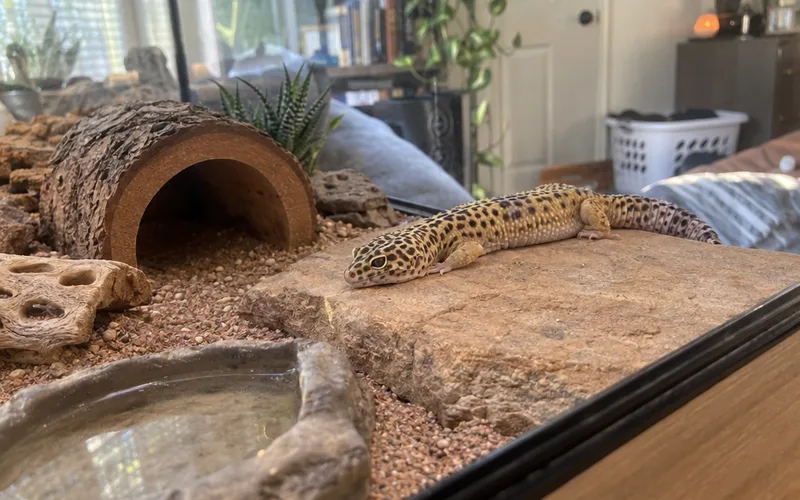
The easiest reptile to breed is usually a common species with clear guides, such as a leopard gecko, corn snake or ball python. But breeders warn that “easy to breed” and “easy to sell” are different things.
One experienced keeper in the MorphMarket thread said it plainly: there aren’t many “beginner” species when it comes to breeding. Getting any reptile ready to breed takes effort, and every species has its own risks.
Kingsnakes are a good example.
The same breeder doesn’t call them beginner animals. Kingsnakes are cannibalistic and very aggressive while breeding, so a pair has to be watched in person the whole time they’re together.
So how do you choose?
Another breeder in the thread gave a simple order: find a species you love, learn exactly how to care for it, and then keep one for a while before you decide to breed. I’d add 3 questions:
- Do you already keep this species well? Breeding exposes every gap in your care, so pick an animal you’ve kept healthy for a while.
- Is it well documented? Common species have clear guides, such as breeding leopard geckos or ball python breeding, so you aren’t guessing at temperatures or timing.
- Will anyone buy the babies? Ball pythons, leopard geckos and bearded dragons are easy to research, but their markets are crowded, so selling ordinary babies is slow.
Crested gecko breeding is another well-documented option for lizard keepers who already have a healthy adult group.
In other words, the “easiest” species is the one you already understand, with a clear guide and a buyer waiting.
How Do You Get Reptiles to Breed in Captivity?
Reptiles are brought into breeding condition by copying the seasons that trigger them in the wild. Temperate species need a cool winter rest, and tropical species respond to a shift in humidity and rainfall.
Keepers call this “cycling” the animals.
Temperate species come first. PetPlace’s 2015 breeding guide says photoperiod, the changing hours of daylight and darkness through the year, plays an important part in cycling reptiles to breed.
You can follow the natural day length by adjusting your light timers. Or you can place enclosures where they get window light.
Many temperate snakes and lizards also need a winter rest. In the northern hemisphere, that rest falls in December, January and February, according to the same guide.
Some keepers go further.
The same 2015 breeding guide describes turning a refrigerator held at 48 to 52 degrees Fahrenheit into a hibernaculum, a chamber for resting animals. Many keepers use a milder version and simply lower enclosure temperatures for a few months.
That milder rest is often called brumation in reptiles. You can read how it differs from true hibernation in this guide to reptile brumation.
Tropical species work differently. Reptiles from places where day length and temperature barely change are triggered by the move from dry season to wet season.
So for them, the guide suggests raising cage humidity and misting gently.
There’s some good news for keepers of captive-bred animals.
The same guide says captive-bred reptiles may need less precise cycling than wild-caught ones. Even so, the right temperatures and timing differ by species, so follow a protocol for your species rather than a general rule.
Pro Tip: Cycle only healthy animals at a good breeding weight, and get that target weight from a guide for your species.
How Do Reptiles Mate?
Most reptiles mate after a seasonal shed, when the female gives off scent signals that she’s ready and the male courts her. In snakes, the pair “lock” together, sometimes for hours.
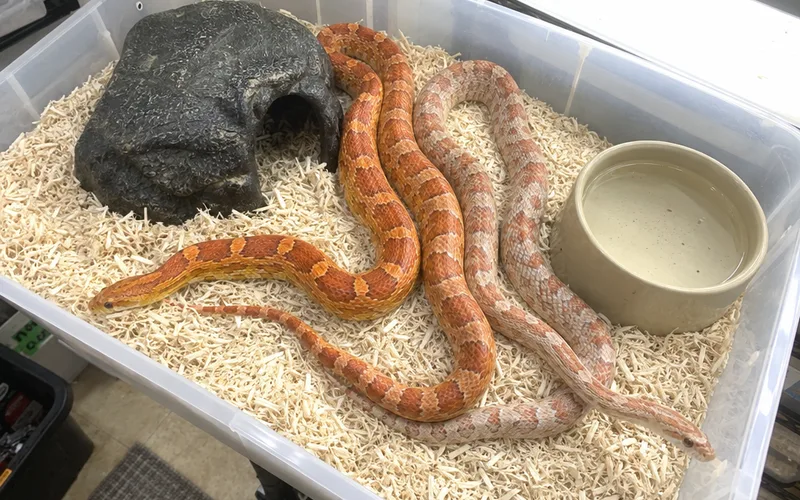
PetPlace’s guide explains the timing. Snakes and lizards usually shed at the start of the breeding season, right after their winter rest.
Around then, females make pheromones. Those are scent signals that show she’s ready to breed.
In captivity, you control the meeting.
Here’s how a typical snake pairing runs:
- Wait for the shed. Once cycling ends and the female sheds, she’s usually ready to meet the male.
- Introduce them. Breeders place one snake in the other’s enclosure, and it doesn’t seem to matter much whose.
- Watch for aggression. If either animal bites or fights, separate them right away and try again later.
- Mist if nothing happens. Some breeders lightly mist the enclosure to mimic rain when a calm pair shows no interest.
- Let them lock. Once paired, leave them alone, then separate them and repeat the pairing a few times over the season.
Species differ a lot here.
Kingsnakes, for example, are cannibalistic, which is why the kingsnake breeder quoted earlier watches every pairing in person. Other species are calmer, so check a guide for your species before the first pairing.
If you want the hormone side of this, including whether female reptiles cycle the way mammals do, see whether reptiles have periods.
Never leave a new pair alone for the first pairing. One bad introduction can injure a breeder you spent years raising.
Egg Laying and Incubation
Reptile eggs incubate best at a steady 80 to 87 F for most species, according to PetPlace’s 2015 breeding guide, in a medium kept “just on the moist side of dry.” Move the eggs from the laying site into the incubator soon after they’re laid.
Small swings matter more than most new breeders expect.
After a good pairing, a gravid female often loses interest in the male. That’s a sign she’s making eggs.
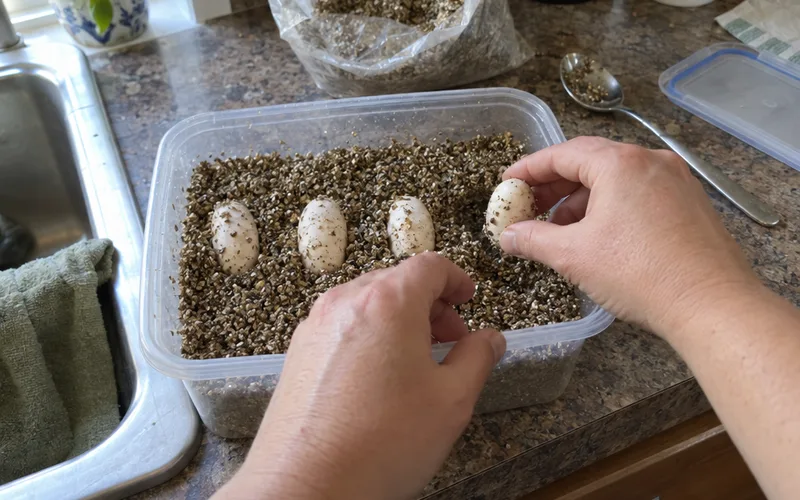
Give her a laying box before she needs it. Most egg-laying species want a hide filled with damp substrate, and the right material depends on the species.
Once she lays, move the eggs carefully.
Keep each egg the same way up as you found it, and set it into the incubation medium in its own spot. Then return the mother to a clean enclosure so she can rest and start eating again.
Now the incubator does the work.
That guide says most reptile eggs incubate well at 80 to 87 F, with some species doing best near the low end and some near the high end. The eggs soak up moisture from the medium around them, so too wet or too dry kills the embryo.
Why so strict?
Temperature mistakes do damage even when eggs survive. The same 2015 guide warns that being off by only a degree or two can cause bone and shell deformities in the babies that hatch.
That’s why careful breeders check the incubator with a separate thermometer instead of trusting the dial. If you build your own unit, run it empty for a few days and log the temperature before the eggs go in.
Does Incubation Temperature Decide a Reptile’s Sex?
Incubation temperature decides the sex of hatchlings in crocodilians and some lizards and turtles. This is called temperature-dependent sex determination, and PetPlace’s 2015 guide says the deciding window is the first 2 weeks of incubation.
Leopard geckos are the classic example.
According to the same breeding guide, leopard gecko eggs kept at 88 to 90 F hatch mostly males. Eggs at 79 to 82 F, or above 90 F, hatch mostly females, and 84 to 87 F gives you both sexes.
There’s a catch at the hot end.
The guide warns that more eggs die at the top of the range, and females hatched hot tend to be very aggressive as adults. So pushing the heat up for more of one sex can cost you eggs and calm animals.
Turtles flip the pattern. The guide says turtle eggs tend to produce males at low temperatures and females at high ones.
If you’re curious whether a reptile can switch sex later in life, whether reptiles can change gender covers what’s known.
Pick your incubation temperature before the eggs go in, and hold it steady for the whole first 2 weeks.
What Are the Risks of Breeding Reptiles?
The biggest risks of breeding reptiles are pairing injuries, egg binding, cannibalism, lost eggs and hatchlings, and inherited disorders in some morphs. Each one can cost an animal’s life or a large vet bill.
Start with the female.
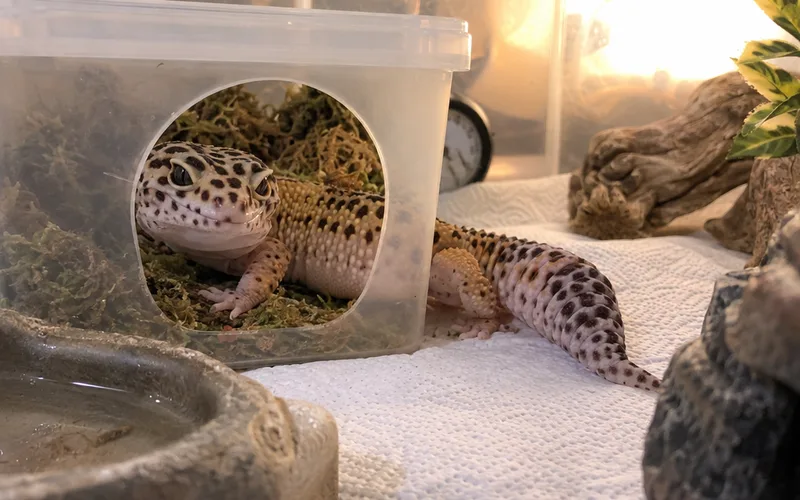
Egg binding happens when a female can’t pass her eggs, and it can need surgery. One forum breeder had a female become egg bound and need spaying twice, nearly 3 times.
Then come the eggs and babies.
The kingsnake breeder listed the risks after laying. A mother may eat her own eggs, not every egg survives incubation, and not every hatchling will eat and thrive.
Those risks apply to many reptile species, not just kingsnakes.
Genetics is the risk new breeders overlook most.
Some popular color and pattern morphs carry health problems:
- Enigma syndrome is a brain and nerve disorder tied to the Enigma morph of leopard geckos. It causes poor coordination, circling and trouble catching prey, so read up on the Enigma leopard gecko before pairing one.
- The Wobble affects certain ball python morphs, causing disorientation, loss of coordination and sometimes seizures. Check ball python morphs to avoid before you plan a pairing.
- Juvenile gout has been reported in young lizards from lines bred for looks rather than health, according to responsible-breeding guides.
The fix is boring but effective.
Learn your species’ genetics, buy from breeders who track health, and never pair animals with known nerve problems. And because vet visits get more likely when you breed, find your exotics vet before your first pairing.
What Should You Do With Accidental Reptile Eggs?
Accidental reptile eggs from a pet pair should be removed, and if you can’t raise and home every baby, humanely discarded by freezing. Then house the male and female apart so it doesn’t happen again.
Responsible-breeding guides recommend freezing fertile eggs as a humane option. It stops babies from hatching into a home that isn’t ready for them, or being released and becoming an invasive species.
Don’t use freezing as a plan for keeping a pair together, though.
Living with a male means constant mating pressure for the female, and repeated egg-laying drains her calcium. Housing them apart is the fix.
Note: If a female looks weak or swollen, or strains without laying, call an exotics vet. Those can be signs she’s egg bound.
How Long Does It Take to Sell Baby Reptiles?
Selling baby reptiles can take months or even years, and one MorphMarket forum breeder said it took 2 years to sell a first snake. Crowded markets for common species make that wait longer.
Babies also can’t leave right away.
The family in the 2012 Daily Mail report couldn’t rehome their baby bearded dragons until they were 6 weeks old. Every week in between means more food, more cleaning and more space.

Many hobby breeders list babies on online marketplaces such as MorphMarket or sell them at reptile expos. A MorphMarket review can help you judge whether listing there makes sense for your species.
So plan to keep every baby you produce for a while.
If you can’t house a full clutch for a year, don’t breed that season.
Better Ways to Make Money From the Hobby
Breeding feeder animals such as rats or insects is a more realistic way to earn from the reptile hobby than breeding reptiles. Experienced keepers in the same forum thread called feeders a much more viable income source.
One keeper wrote that after 40 years in the hobby, rats were the only part that had made any money. Another suggested feeder rodents or insects such as crickets and roaches as a far more workable income source.
That’s not as exciting as hatching a rare morph.
But it serves every keeper you know, and it can help pay for your own animals’ food instead of adding to your costs.
The Bottom Line on Reptile Breeding
Reptile breeding rewards patience, planning and deep knowledge of one species, not quick profit.
This week, pick the species you know best and price out housing for a full clutch, an incubator and a vet emergency fund before you pair anything.
Frequently Asked Questions
Can you make a living breeding reptiles?
Making a living from reptile breeding is rare for small breeders, based on hobby breeders’ own reports in a 2025 MorphMarket forum thread. One kingsnake breeder made a little over $1k from 4 clutches in 5 years, and another said it took 5 years just to stop losing money.
What temperature should you incubate leopard gecko eggs at?
Leopard gecko eggs incubated at 84 to 87 F produce both males and females, according to PetPlace’s 2015 breeding guide. Use 88 to 90 F for mostly males or 79 to 82 F for mostly females, but expect more egg deaths at the hot end.
How many babies can a reptile have at once?
Reptile clutch size varies by species and by individual, and a 2012 Daily Mail report described 2 female bearded dragons producing 91 babies in a single summer. A pet shop owner in the same report said egg numbers vary from animal to animal.
Do reptiles get lonely without a mate?
Reptiles don’t need a mate for companionship, so a single pet is not lonely the way a person might be. Housing a male and female together mainly adds stress, injury risk and unplanned eggs.