Priya Raman
Hi, I'm Priya Raman, and I write the guides here at Reptile Grove.
I grew up in Baton Rouge, where the summers are thick and humid and half the backyards on my street seemed to have a pond turtle sunning itself on a rock. That's where my curiosity started. Years later I was volunteering with a herpetological society there, working intake and rehoming for surrendered bearded dragons, tortoises and sliders.
Intake days taught me a lot, and not all of it was pleasant. So many of those animals came in after someone bought a starter kit, followed the box and never found out why their dragon was sluggish or their tortoise looked unwell. The mistakes were fixable! Cramped tanks, weak UVB, the wrong substrate and a diet built on whatever the store had in stock came up again and again. Seeing animals perk up once their conditions improved is what made me want to write all of this down.
I have strong opinions, and I'll share them plainly. I also read the methods section of a study before I trust its abstract, and when better data shows up I change my mind and explain what moved me. I'm wary of forum folklore, one-size-fits-all care sheets and products sold with big claims and no testing behind them. I would rather tell you something is still unknown than fake a confident answer.
What I want most is fewer surrenders, fewer preventable illnesses and owners who feel capable instead of scolded. My favorite rabbit holes are tortoise diet and substrate, basking setups and how rescue animals recover. I'm not a veterinarian, and when a problem needs one, I'll say so. If something here looks off to you, write in and show me your source.
Articles by Priya Raman
 guide
Snake Poop: What Normal Looks Like and When to Worry
Healthy snake poop is a dark, formed dropping with a soft white cap of urates. Learn what each change means, when to call a vet and how to clean up safely.
 guide
Reptile Breeding: What It Takes, What It Costs and How It Works
Reptile breeding takes cycling, careful pairing, an incubator near 80 to 87 F and years of patience. See real breeder costs, risks and first steps.
 guide
Sulcata Tortoise Lifespan: How Long They Live and What Shortens It
Sulcata tortoises live about 50 to 100 years in captivity, and one care sheet says 150. See what each source says, the 54-year record and what shortens their lives.
 guide
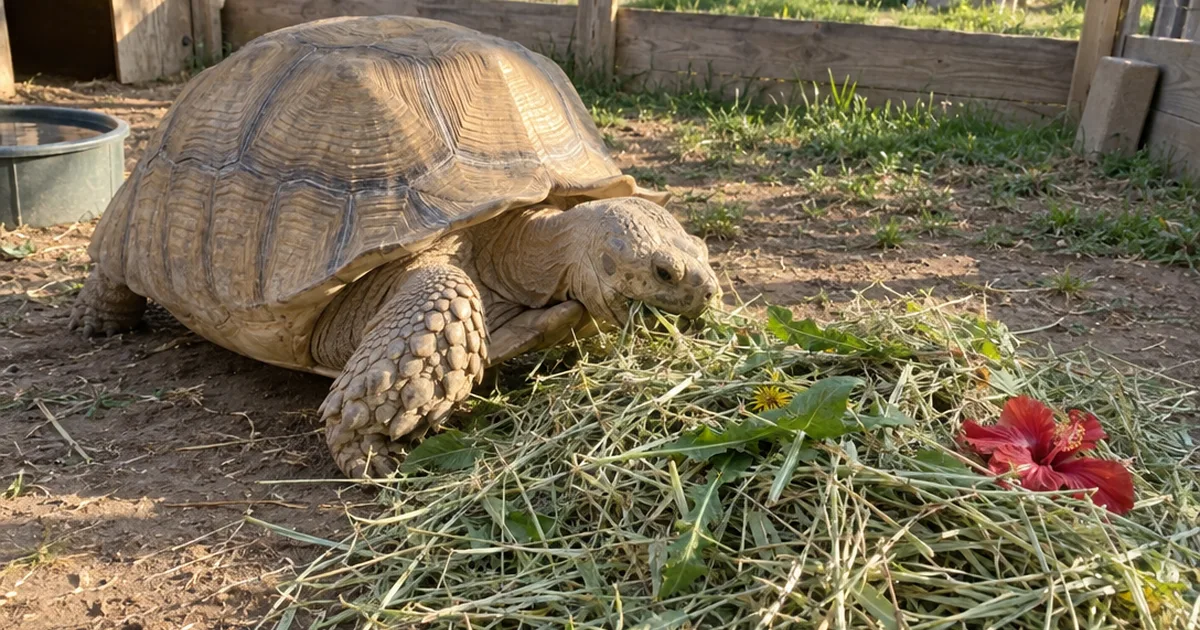
Sulcata Tortoise Diet: What to Feed, How Much and What to Skip
A sulcata tortoise diet is mostly grass and hay. See the shares vets recommend, the best hays, safe greens, fruit and protein rules, calcium and a feeding schedule.
 guide
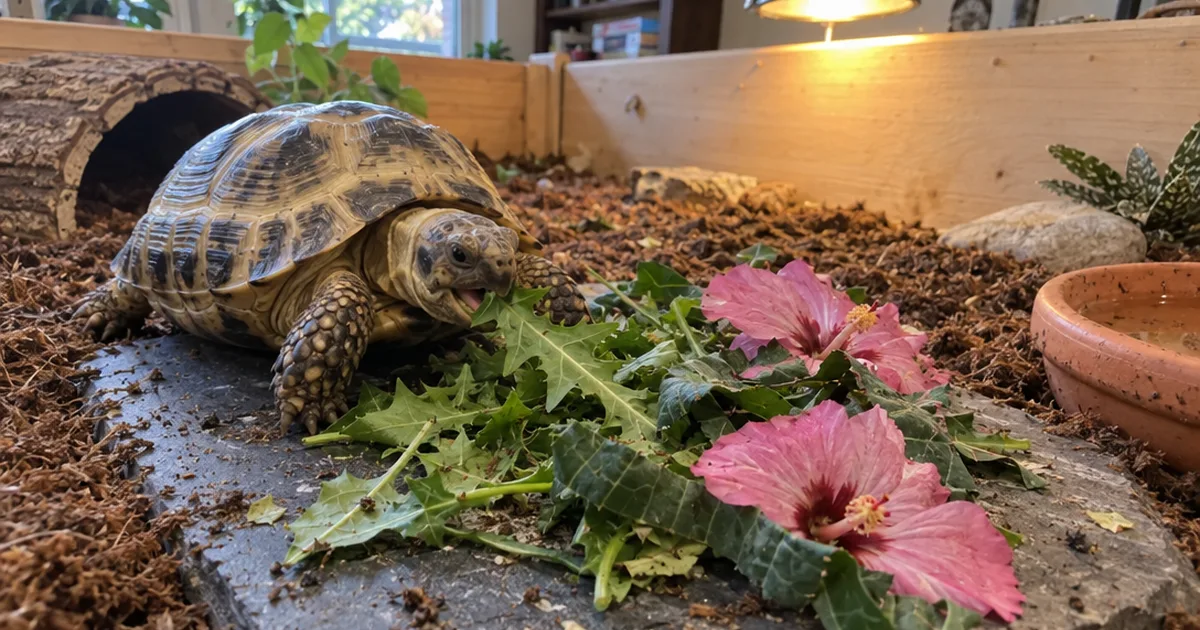
What Can Tortoises Eat? Daily Staples, Treats and Foods to Skip
What can tortoises eat? Weeds, dark leafy greens, hay and flowers make the daily base. See which vegetables and fruits to limit, what to avoid and how often to feed.
 guide
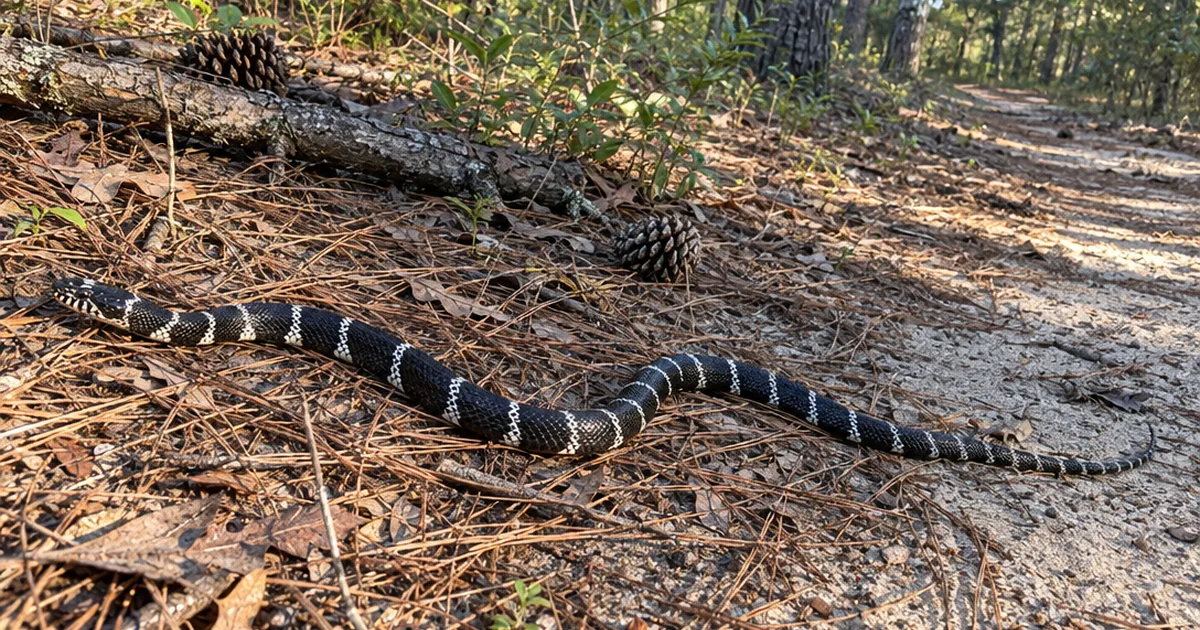
King Snake Size: How Big Kingsnakes Get, From Hatchling to Record
Most kingsnakes reach 3 to 4 feet. See typical and record lengths for eastern, California and Florida kingsnakes, plus how big babies are at hatching.
 guide
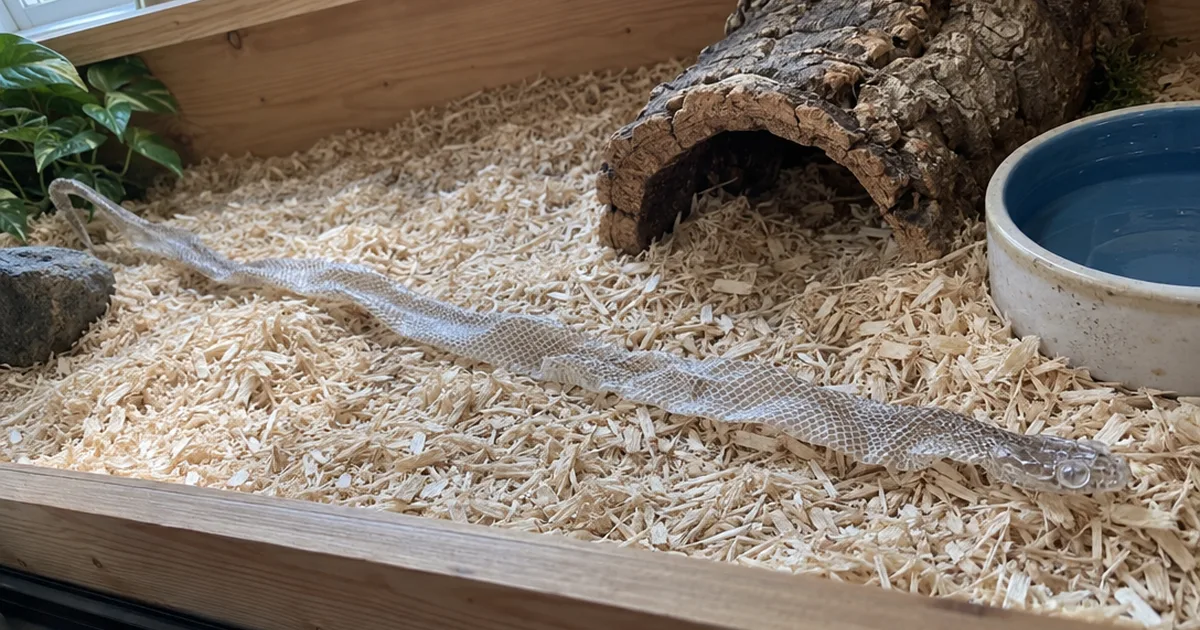
How Often Do Snakes Shed? Normal Schedule, Signs and Stuck Shed
Snakes shed 4 to 12 times a year, and young ones shed most. See what changes the schedule, how long a shed takes and when a stuck shed needs a vet.
 how to
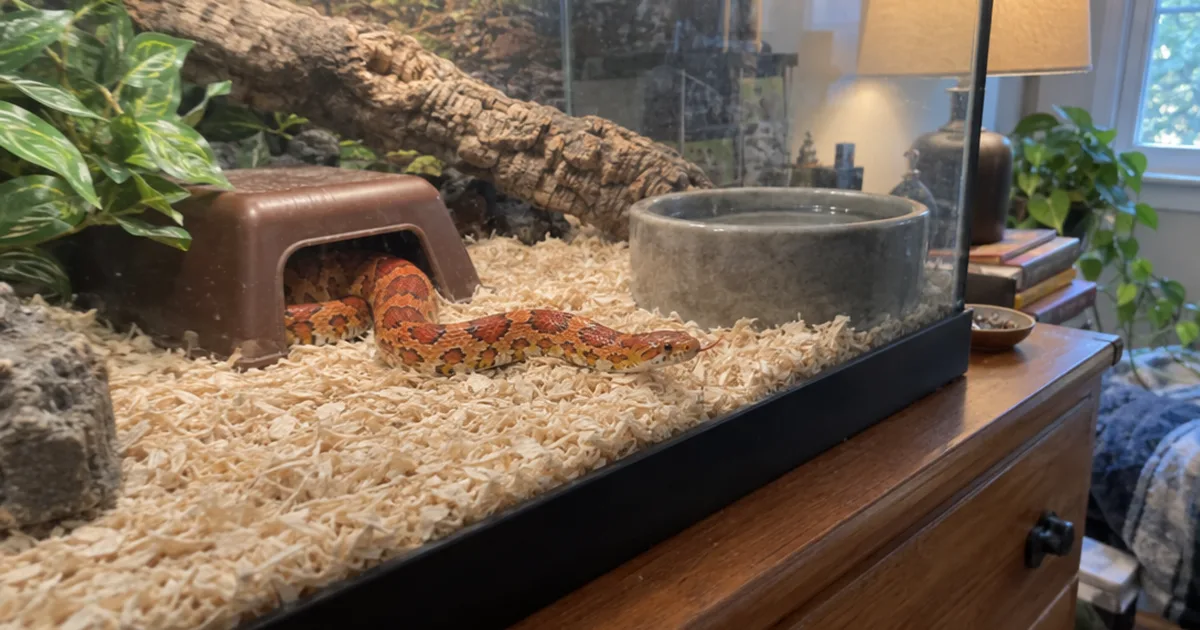
Corn Snake Care Guide: 8 Steps to Set Up, Feed and Keep One Healthy
A corn snake care guide in 8 steps: tank size by age, an 80-85°F warm side, humidity, substrate, a feeding schedule by age, water, handling and vet signs.
 how to
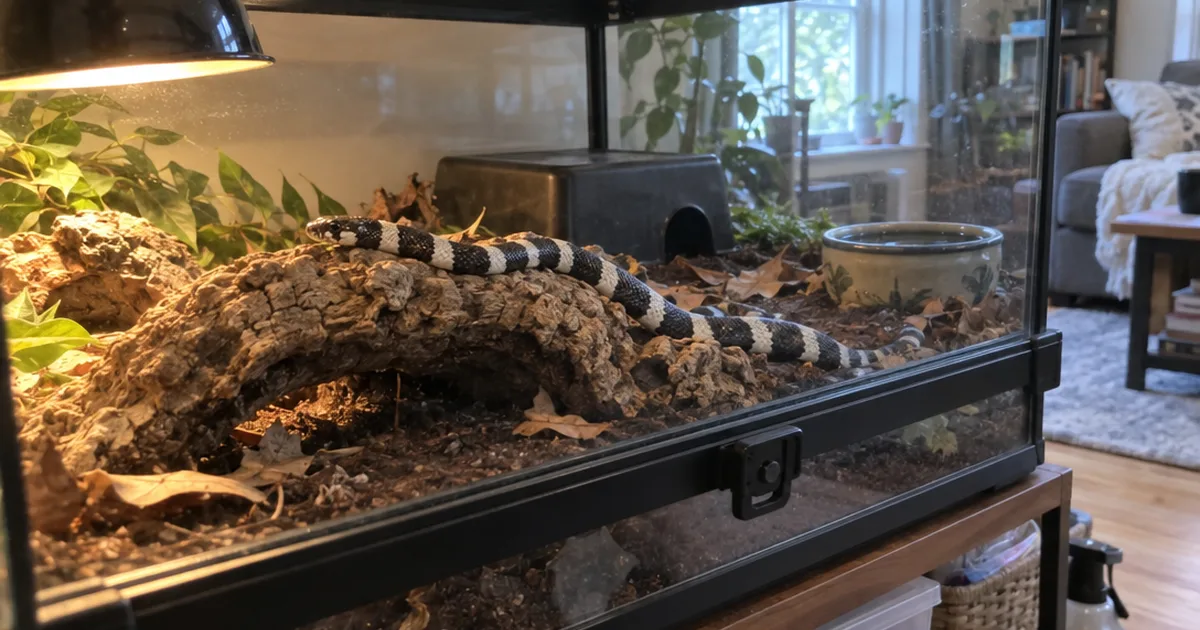
Kingsnake Care: How to Set Up, Heat, Feed and Handle a Pet Kingsnake
Kingsnake care in 8 steps: a 4 x 2 x 2 ft enclosure, an 85-90°F basking spot, UVB, 40-60% humidity, a feeding schedule by age and the signs that need a vet.
 roundup
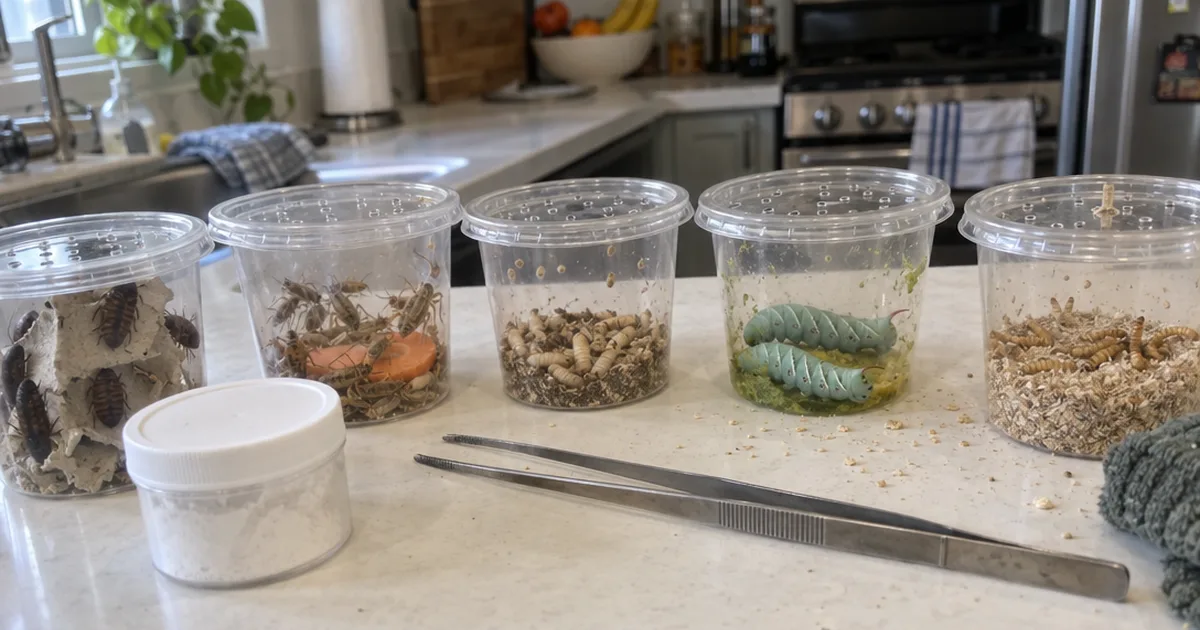
7 Best Feeder Insects for Bearded Dragons, From Staples to Treats
Dubia roaches, black soldier fly larvae and crickets lead this ranking of 7 feeder insects for bearded dragons, with vet nutrient data and safety rules.
 how to
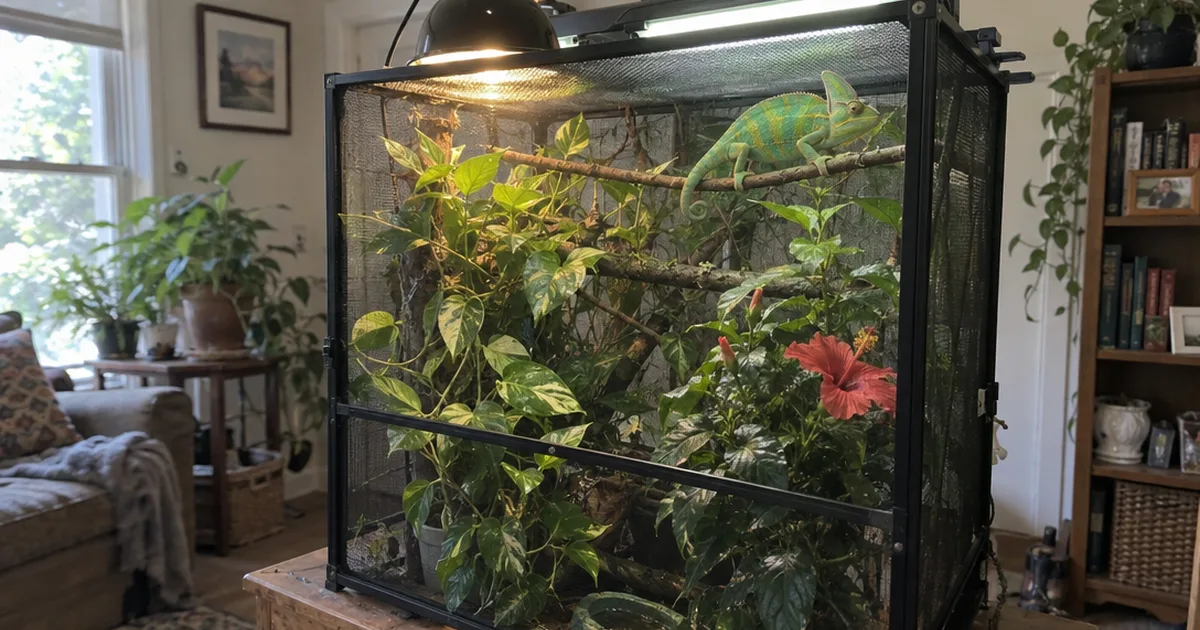
Chameleon Care: The 8 Steps That Keep a Pet Chameleon Healthy
A step-by-step chameleon care guide: pick a species, set up a tall screen cage, heat and UVB, give water the way chameleons drink, feed and dust insects, and spot problems early.
 how to
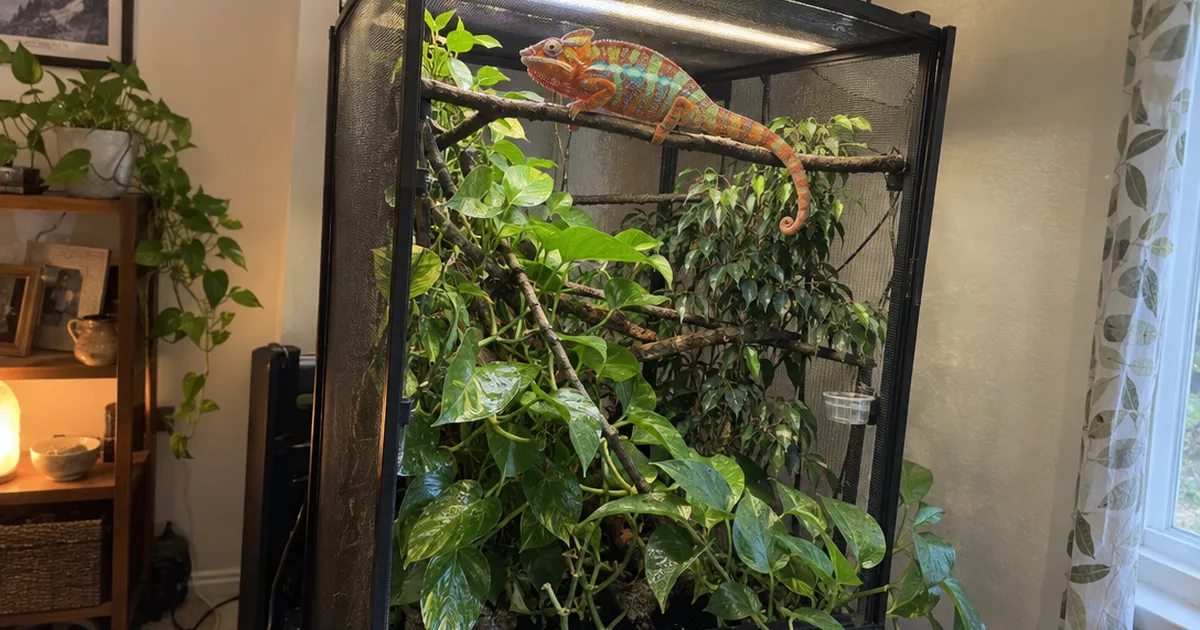
Panther Chameleon Care: How to Set Up, Feed and Keep One Healthy
A step-by-step panther chameleon care guide: cage size, basking temperature, UVB, day and night humidity, feeding and supplement schedules, handling and vet care.