Snake Poop: What Normal Looks Like and When to Worry
Healthy snake poop is a dark, formed dropping with a soft white cap of urates. Learn what each change means, when to call a vet and how to clean up safely.

Reptile Grove explains how enclosures, lighting, diet and veterinary care shape the health of common pet lizards, snakes, turtles and tortoises. Every guide is researched from published husbandry and veterinary sources, says where species differ, and tells you when it is time to call a reptile vet.
Start Here
Healthy snake poop is a dark, formed dropping with a soft white cap of urates. Learn what each change means, when to call a vet and how to clean up safely.
Healthy snake poop is a dark, formed dropping with a soft white cap of urates. Learn what each change means, when to call a vet and how to clean up safely.
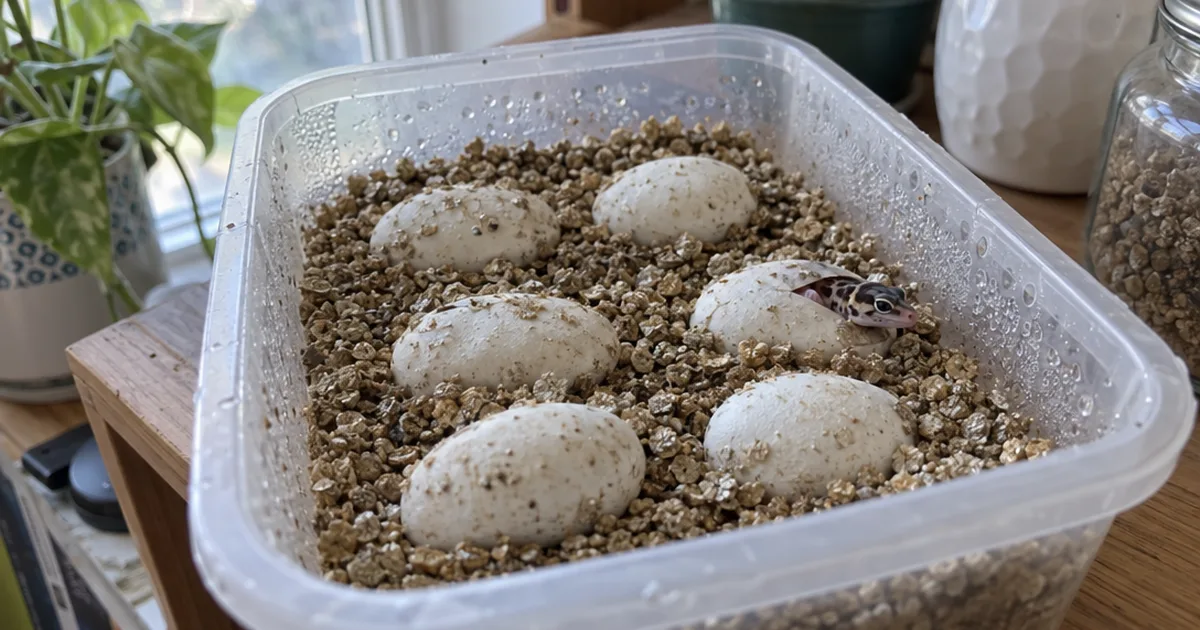
Reptile breeding takes cycling, careful pairing, an incubator near 80 to 87 F and years of patience. See real breeder costs, risks and first steps.
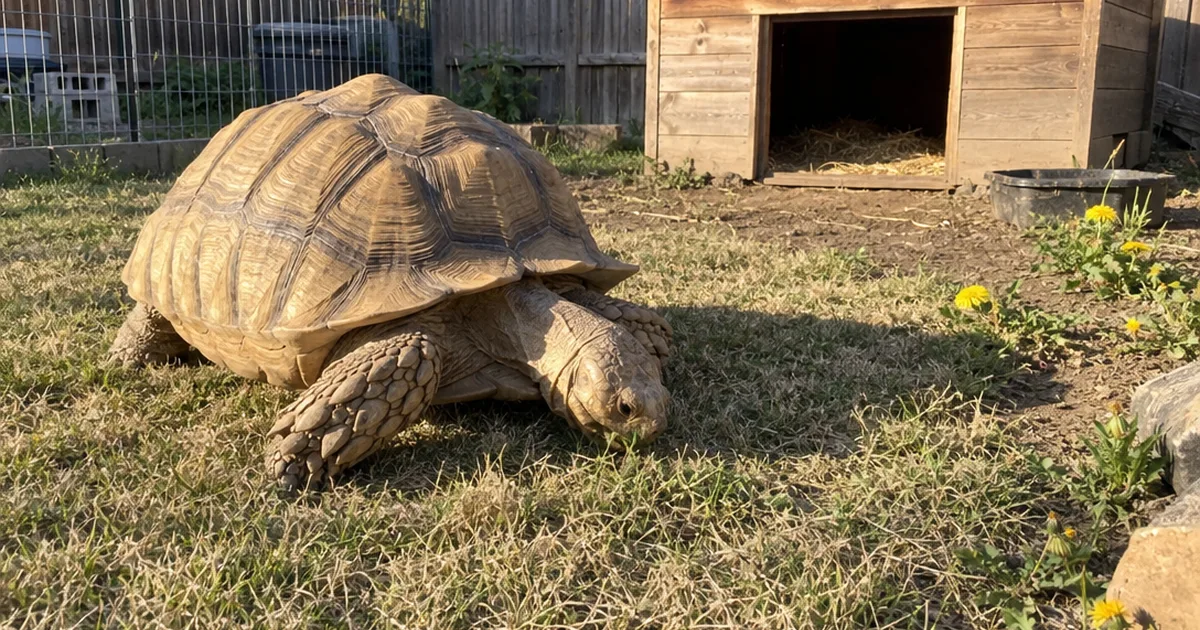
Sulcata tortoises live about 50 to 100 years in captivity, and one care sheet says 150. See what each source says, the 54-year record and what shortens their lives.
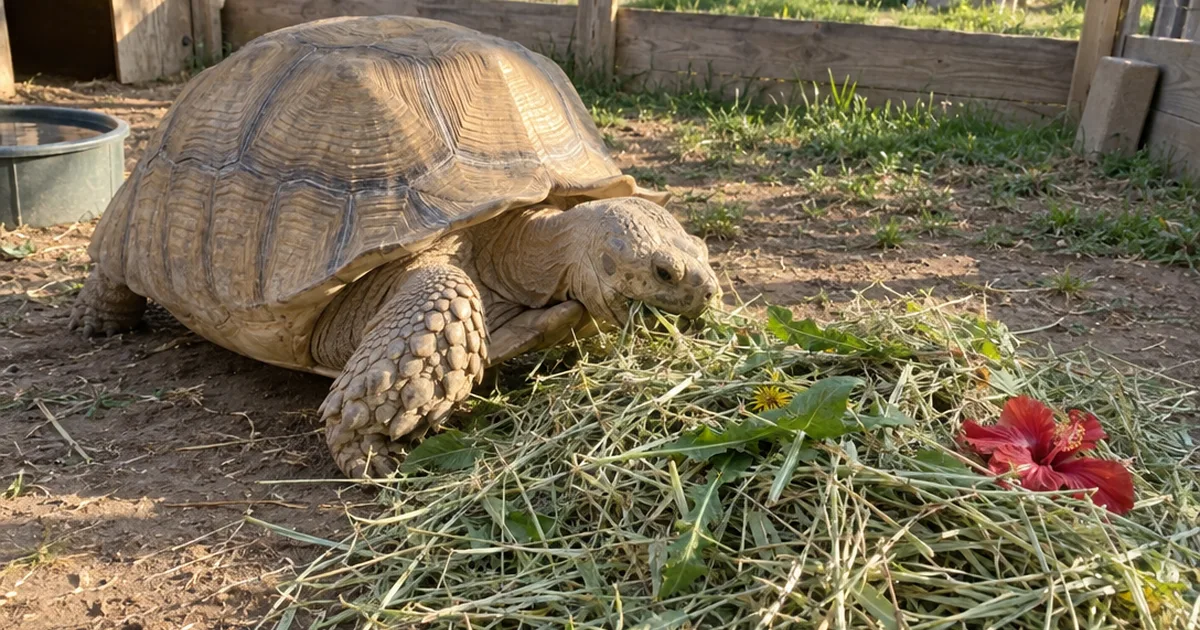
A sulcata tortoise diet is mostly grass and hay. See the shares vets recommend, the best hays, safe greens, fruit and protein rules, calcium and a feeding schedule.
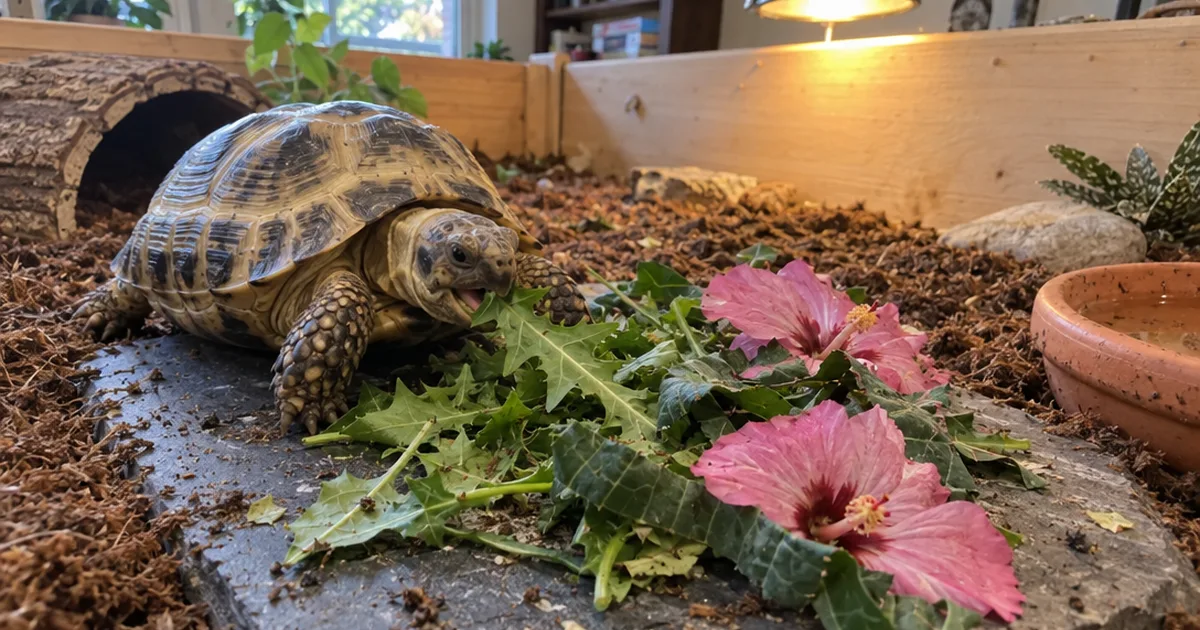
What can tortoises eat? Weeds, dark leafy greens, hay and flowers make the daily base. See which vegetables and fruits to limit, what to avoid and how often to feed.
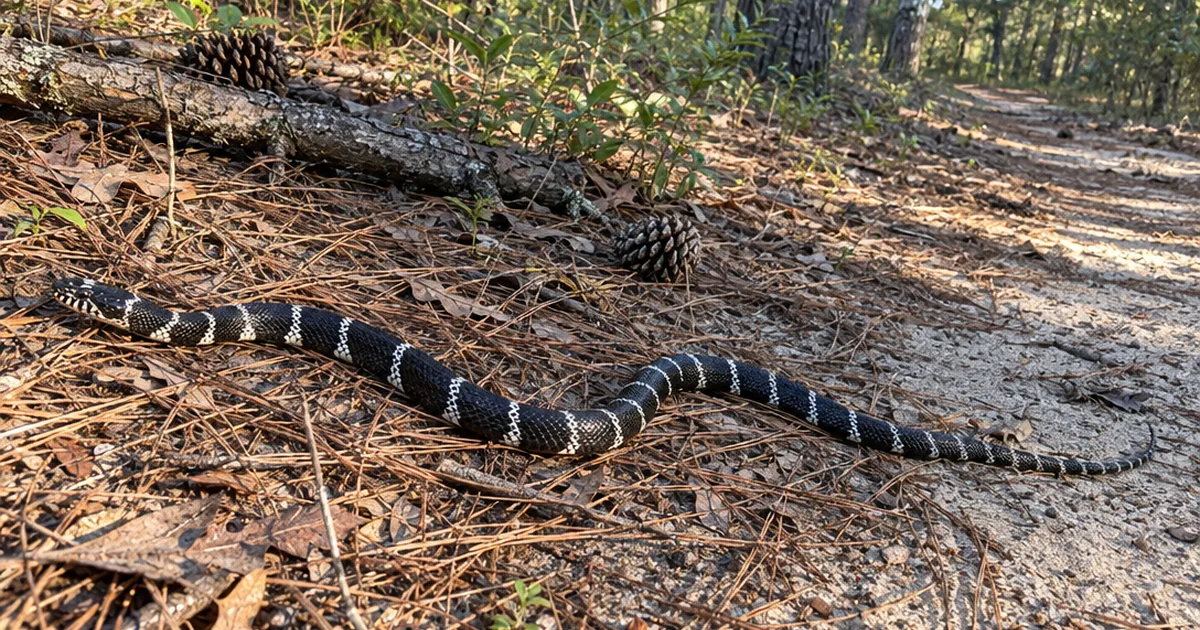
Most kingsnakes reach 3 to 4 feet. See typical and record lengths for eastern, California and Florida kingsnakes, plus how big babies are at hatching.
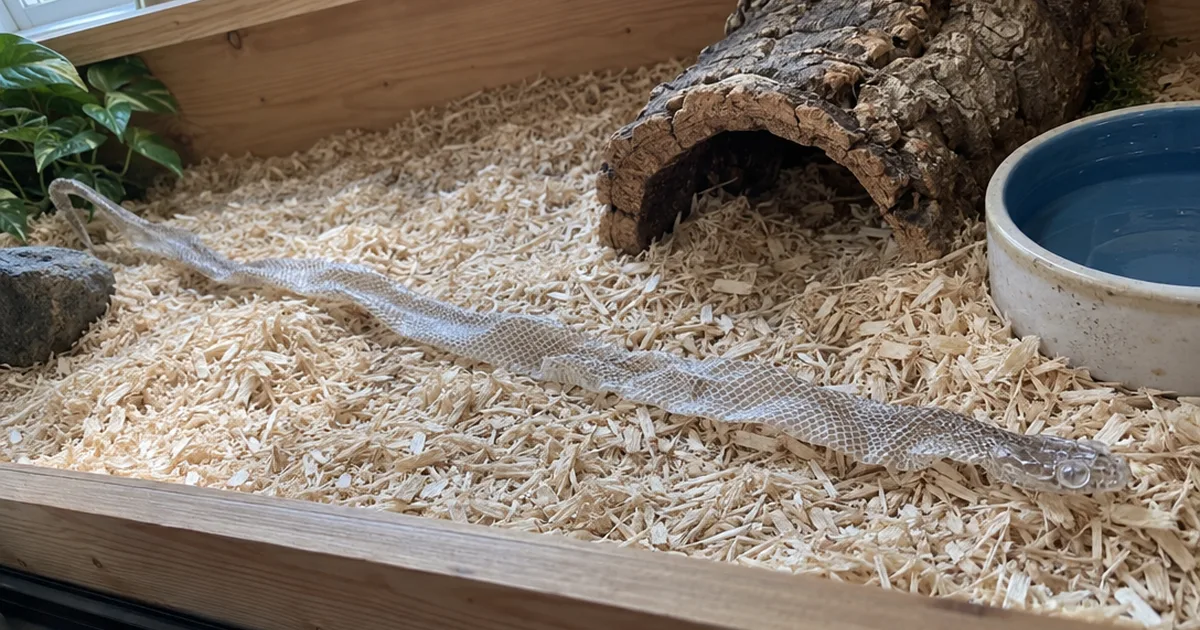
Snakes shed 4 to 12 times a year, and young ones shed most. See what changes the schedule, how long a shed takes and when a stuck shed needs a vet.
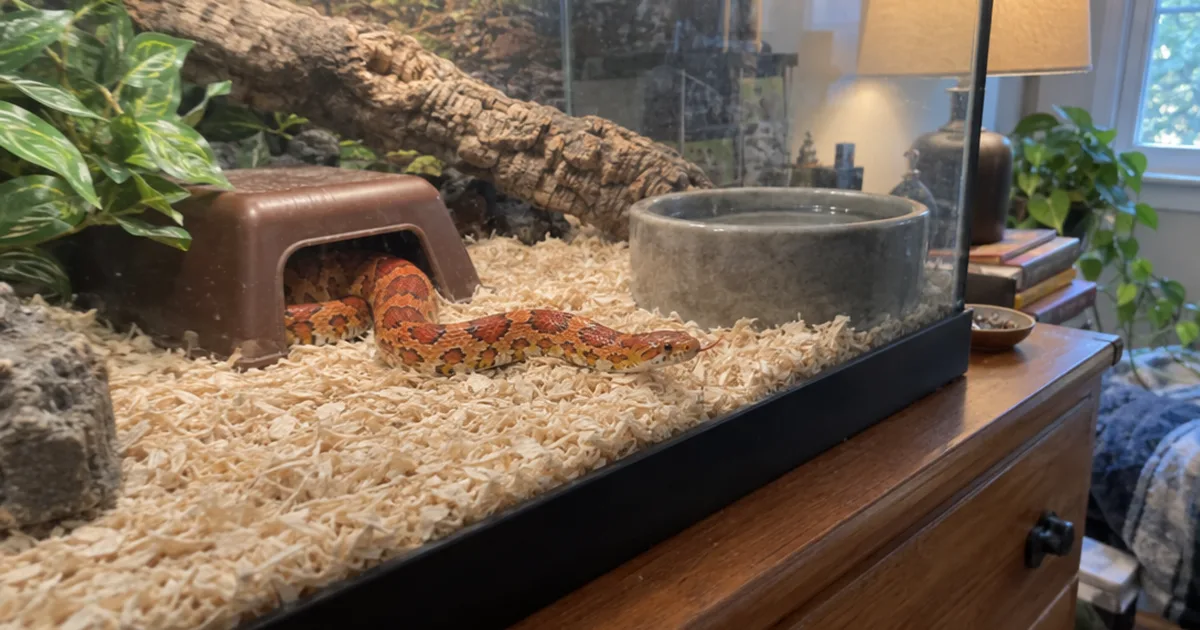
A corn snake care guide in 8 steps: tank size by age, an 80-85°F warm side, humidity, substrate, a feeding schedule by age, water, handling and vet signs.
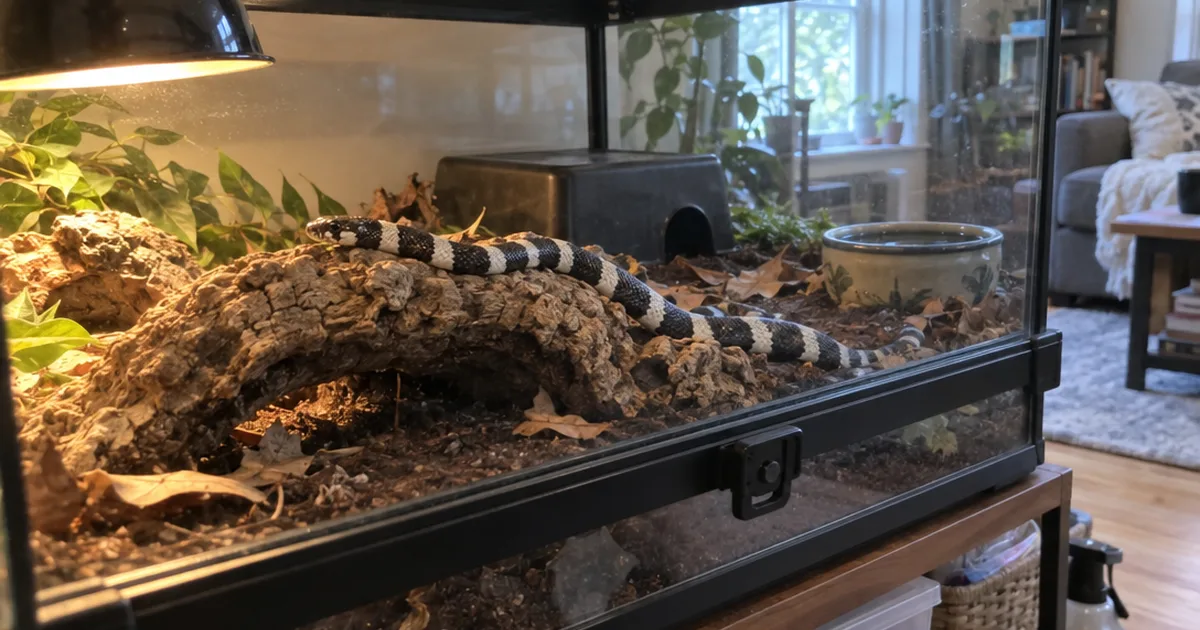
Kingsnake care in 8 steps: a 4 x 2 x 2 ft enclosure, an 85-90°F basking spot, UVB, 40-60% humidity, a feeding schedule by age and the signs that need a vet.
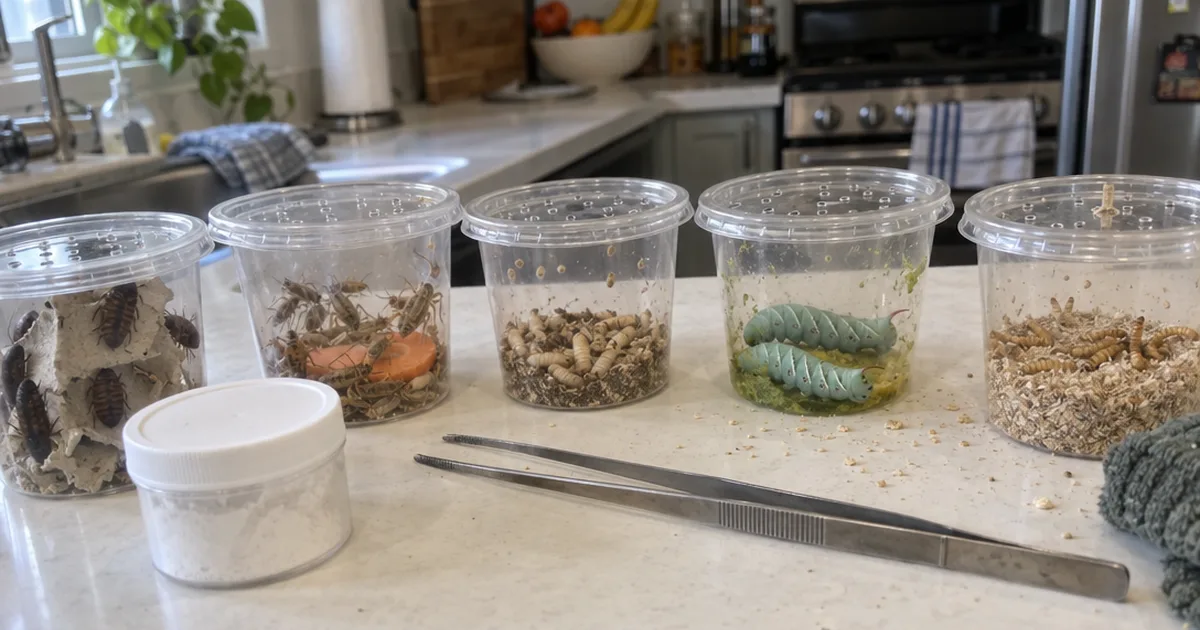
Dubia roaches, black soldier fly larvae and crickets lead this ranking of 7 feeder insects for bearded dragons, with vet nutrient data and safety rules.
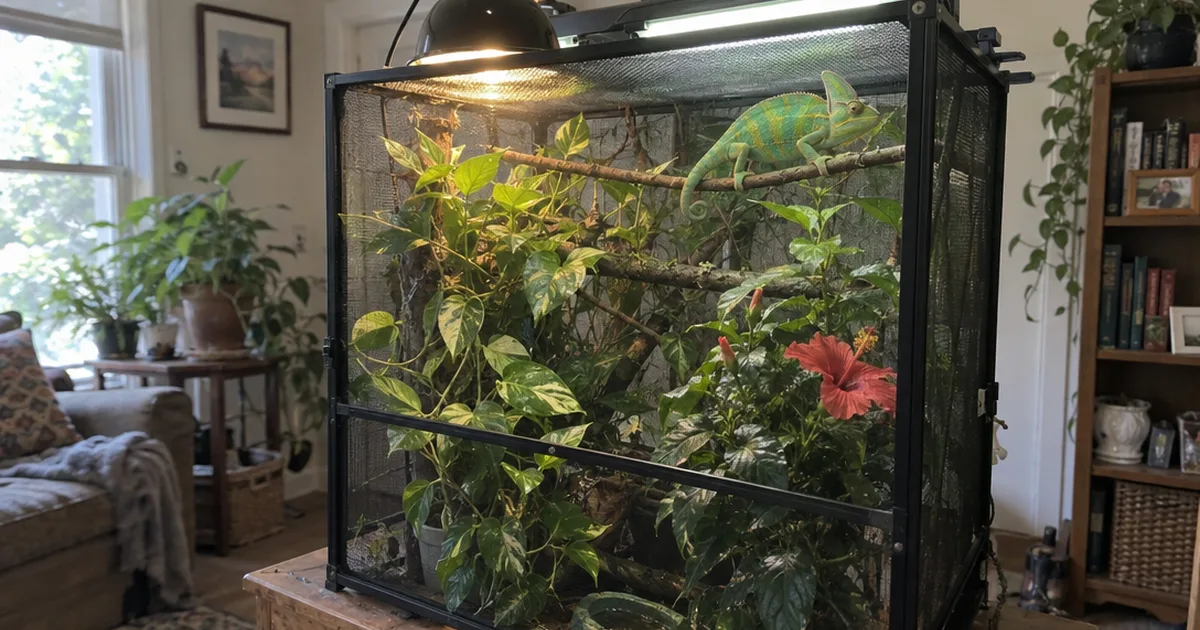
A step-by-step chameleon care guide: pick a species, set up a tall screen cage, heat and UVB, give water the way chameleons drink, feed and dust insects, and spot problems early.
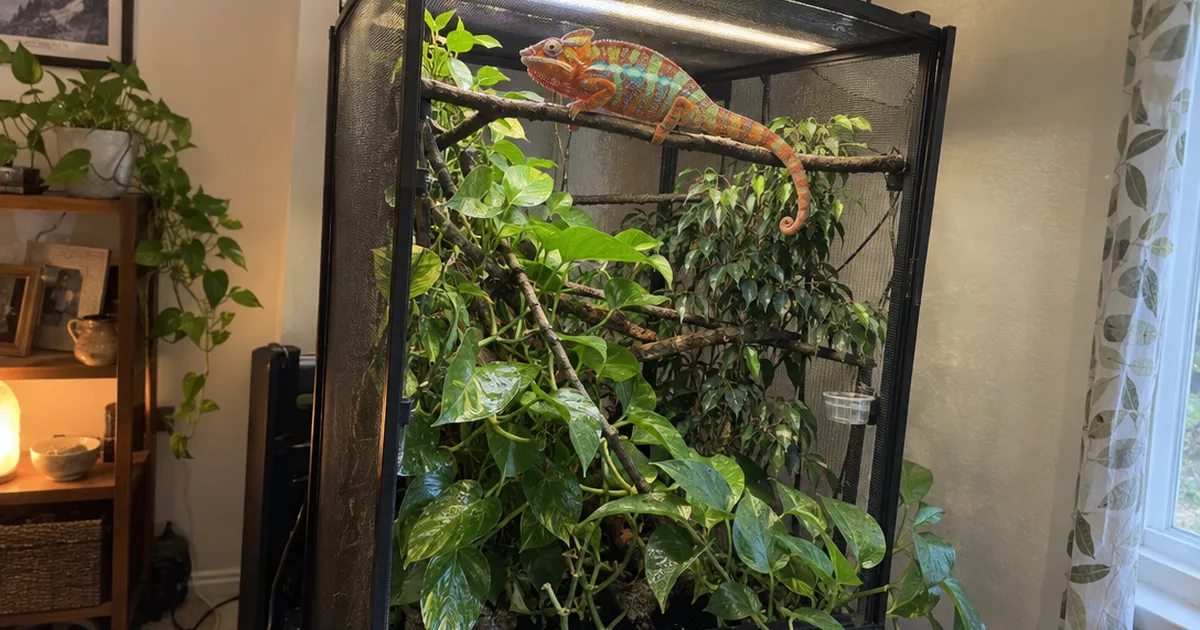
A step-by-step panther chameleon care guide: cage size, basking temperature, UVB, day and night humidity, feeding and supplement schedules, handling and vet care.
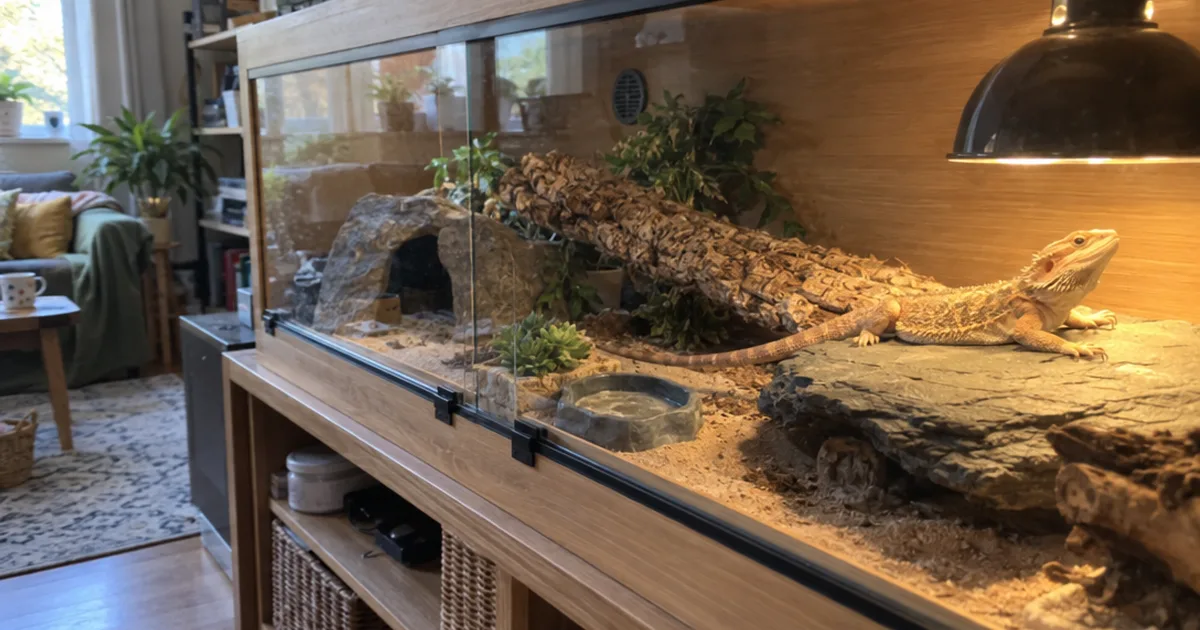
A step-by-step bearded dragon care guide: enclosure size, safe substrate, basking and cool-side temperatures, UVB, humidity, diet by age, supplements and vet care.
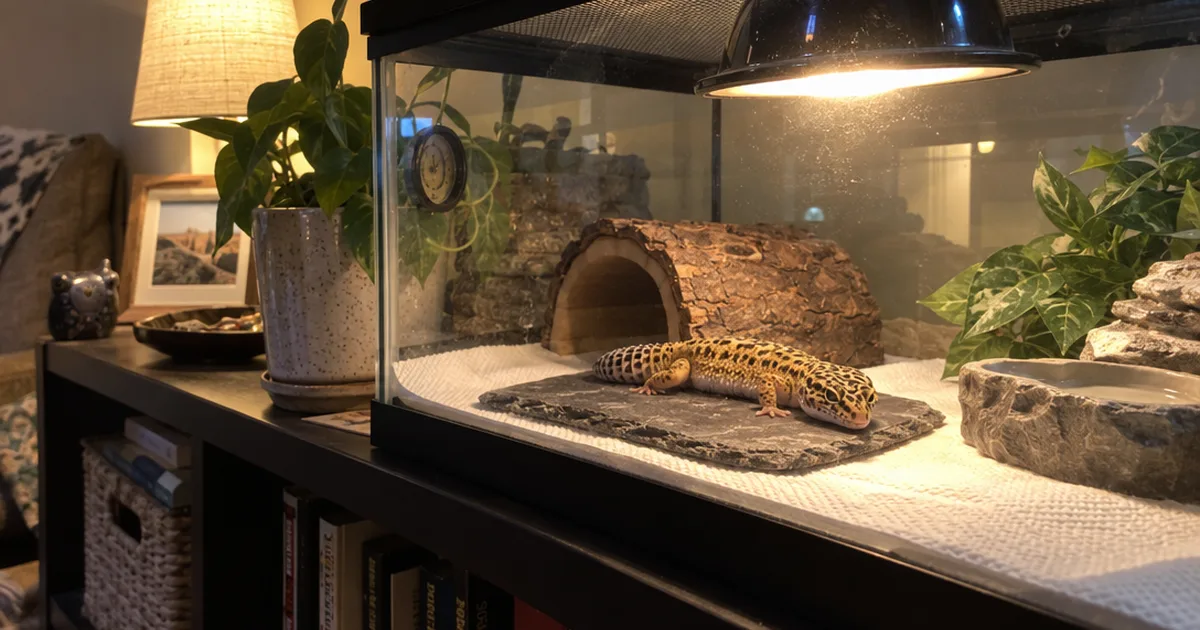
A step-by-step gecko care guide for beginners: pick the right species, then set up the tank, heat, UVB and humidity, feed live insects and spot health problems early.
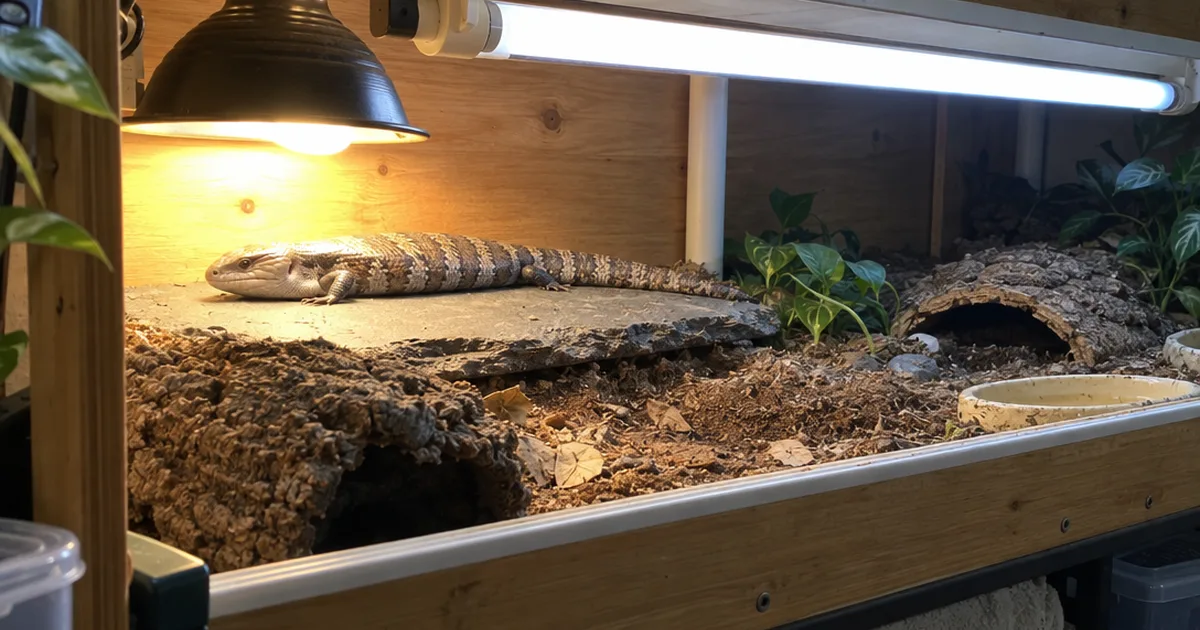
Skink care in 8 steps: enclosure size, substrate, basking heat, UVB, humidity by species, diet and feeding schedule, plus health signs that need a vet.
Guides and reviews that readers keep coming back to.