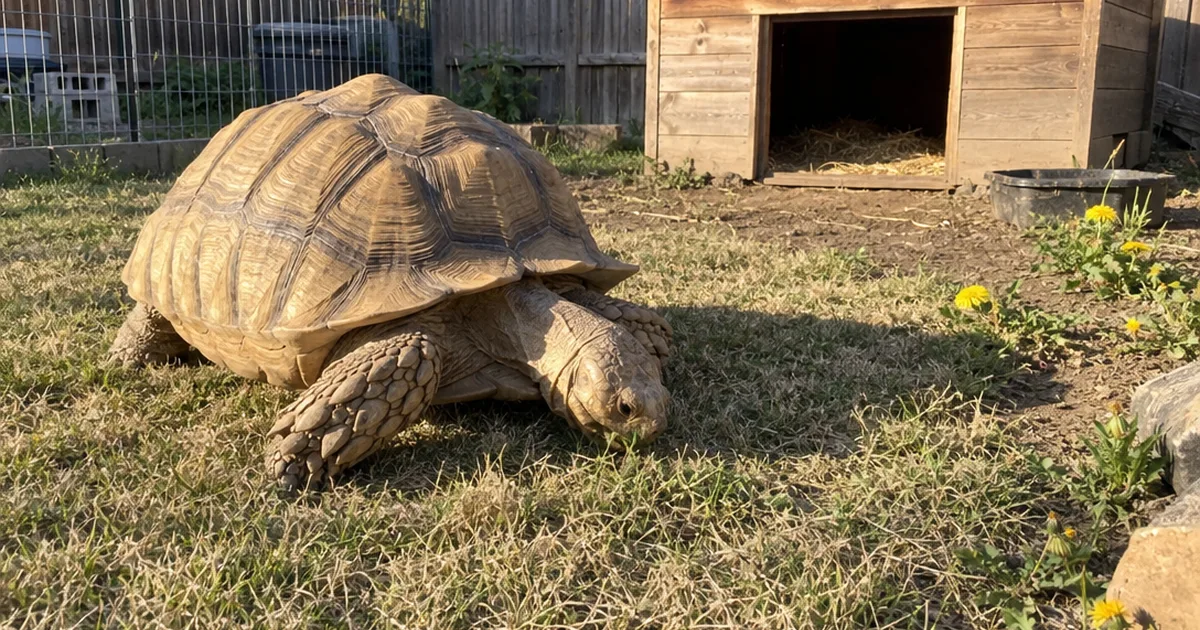
A sulcata can grow to 110 pounds on a diet that’s mostly grass.
That’s the top of the 80 to 110 pound adult range MedVet gives for the African spurred tortoise. Feed the wrong foods, though, and that growth comes too fast, with a bumpy shell to show for it.
The good news? The right sulcata tortoise diet is simple once you know the shares.
Here’s what vets and a sulcata rescue say to feed, what to skip and how often.
What Does a Sulcata Tortoise Eat?
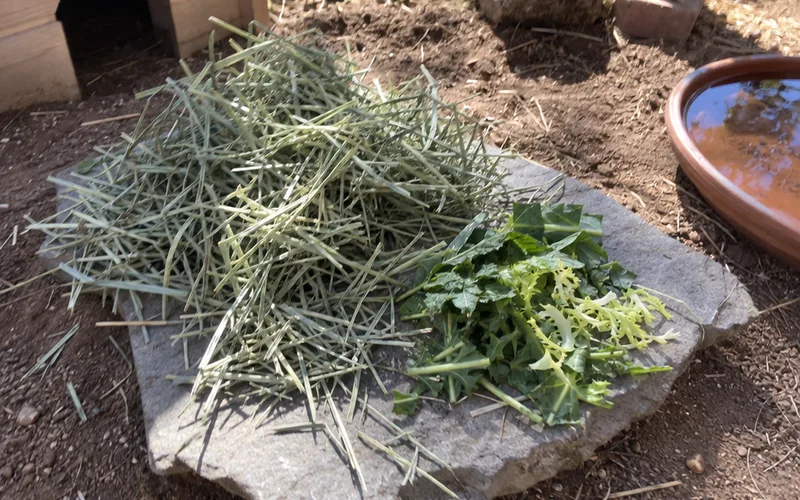
A sulcata tortoise eats grass first: fresh grass and grass hay, topped up with weeds, flowers and cactus pads. Grocery greens are a small side, and fruit barely belongs at all.
That menu fits their home in the Sahel, the hottest, driest part of Africa. There, dry grass and weeds are the only food for much of the year.
Think of your sulcata as a small grazing animal, not a salad eater.
How Much of a Sulcata Tortoise Diet Should Be Grass and Hay?
Grass and hay should make up 70% to 90% of a sulcata tortoise diet, depending on which expert source you follow. Veterinary hospital group MedVet puts it at 90%, from grass and grass cuttings free of pesticides and weed killers.
Sulcata Rescue Ranch says experts recommend mixed grasses make up 70% to 75%, with more weeds and flowers in the rest.
Combined, the plate looks like this:
- Grass and grass hay: 70% to 90%
- Weeds, flowers and cactus pads: most of what’s left
- Vegetables and grocery greens: about 10% to 15%, per the same vets
- Fruit: a rare treat at most
In other words, when you’re unsure what to add, add more grass.
The Best Hay and Grasses for Sulcatas
The best hay for a sulcata tortoise is a grass hay such as timothy, orchard grass, oat hay or meadow grass. MedVet’s care page lists those 4 as the hays to offer.
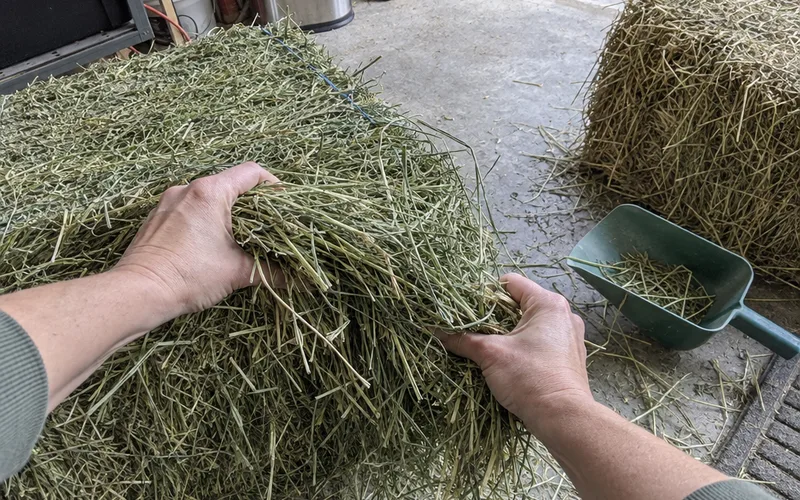
For live grazing, Sulcata Rescue Ranch names Bermuda grass, buffalo grass, bluegrass, Darnel rye grass, western wheat grass, blue grama grass and fescue. A grassy patch in the pen is the best fiber source, so build one into your sulcata enclosure ideas.
Why Skip Alfalfa Hay?
Alfalfa hay is a poor main hay for sulcatas because it’s high in oxalates, compounds that can form bladder stones. The same vets warn that feeding mostly alfalfa can also cause kidney failure and shorten a tortoise’s life.
So buy grass hay, not alfalfa.
Weeds, Flowers and Cactus Pads
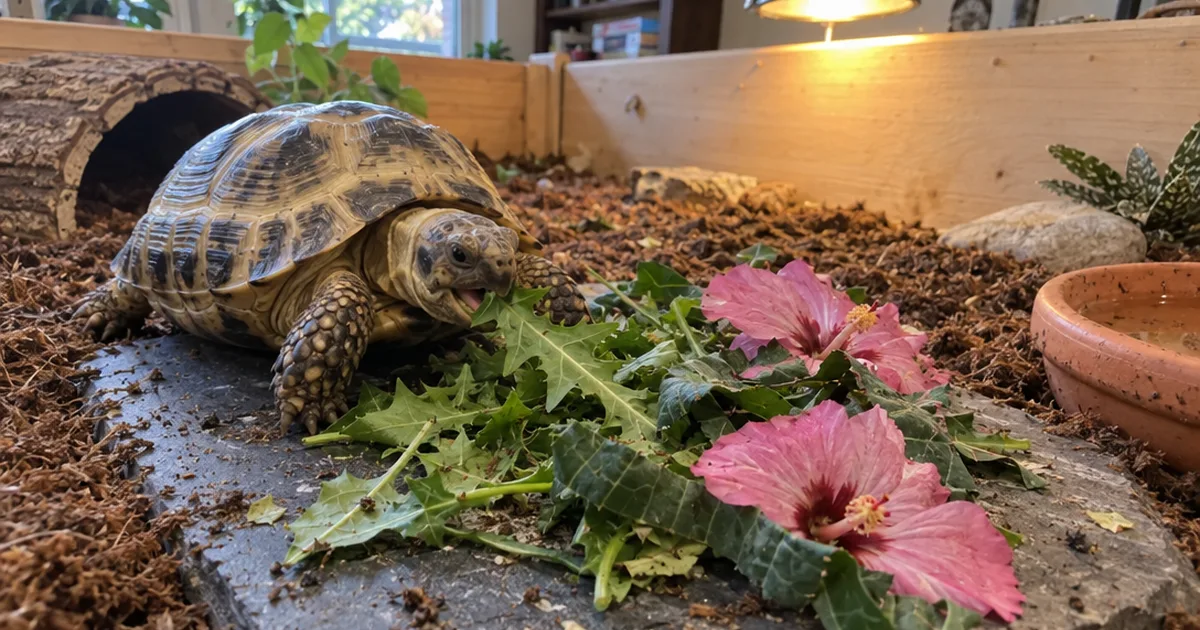
Weeds like dandelion and clover, flowers like hibiscus, and Opuntia cactus pads are the best extras in a sulcata’s diet. Sulcata Rescue Ranch says to offer flowers as often as you can, and its list looks like this:
- Hibiscus flowers and leaves
- Wild dandelion flowers and leaves
- Plantain, clover and chickweed
- Thistle, petunia and viola
- Opuntia cactus pads
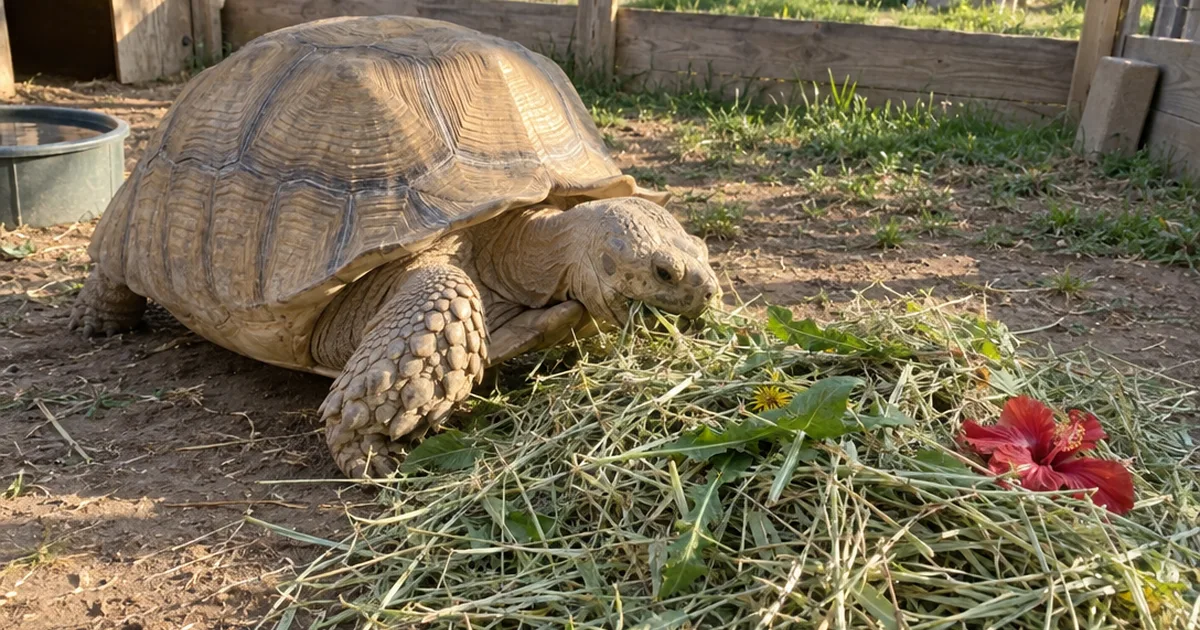
MedVet adds nasturtiums, geraniums and rose petals. Its vets also note that sulcatas respond to bright colors, so a red hibiscus flower on each plate helps.
Note: Only pick plants that haven’t been sprayed, and skip roadsides and parks, where exhaust and chemicals build up.
What Vegetables Can Sulcata Tortoises Eat?
Sulcata tortoises can eat chicory, dandelion greens, collard greens, endive, mustard greens, kale, romaine, shredded carrots and pumpkin. Sulcata Rescue Ranch lists those as acceptable grocery produce, but only as a very small part of the diet.
That small share means a handful of greens beside a big pile of grass. Produce missing from that list, like cucumber for tortoises, is an occasional extra at most.
Carrots are the one root vegetable on that list, so the carrot rules for tortoises are worth knowing. Parsley is high in oxalates, which is why parsley for sulcatas stays a rare extra.
What About Kale and Mustard Greens?
Kale and mustard greens are fine for sulcatas in rotation, but not every day. The sources disagree: the rescue lists both, but Chicago Exotics Animal Hospital says not to feed them often because of their oxalic acid.
Here’s how I’d settle it: rotate 3 or 4 greens, so no single one shows up at every meal. The kale verdict covers how often it fits.
Can Sulcata Tortoises Eat Fruit?
Sulcata tortoises shouldn’t eat fruit as part of their regular diet, and some vets say to skip it entirely. Chicago Exotics Animal Hospital says fruit acids and sugars can change the gut’s pH and kill the good bacteria a grazing tortoise needs.
Why does that matter? Dying gut bacteria release toxins that can trigger a form of toxic shock, which the hospital says can be fatal.
MedVet is less strict and allows fruit sparingly as a treat. Still, I’d skip fruit, since a sulcata gets nothing from it that grass and flowers can’t give.
Foods Sulcata Tortoises Should Never Eat
Sulcata tortoises should never eat animal protein, dairy, cat or dog food, beans, peas or grains. Chicago Exotics Animal Hospital’s diet sheet puts all of these on its never-feed list.
Here’s the full list to keep out of reach:
- Animal products: meat, cheese, dairy, and cat or dog food
- Legumes: peas, beans, green beans, soybeans and tofu
- Grains: corn, wheat, barley and rye
- Thyroid-risk vegetables: broccoli, Brussels sprouts and cabbage, which the rescue says can cause goiter
- High-oxalate greens: spinach, parsley and broccoli, which can bind calcium
That rules out green beans for sulcatas, even though they’re a vegetable.
Why Too Much Protein Causes Pyramiding
Too much protein makes a sulcata grow too fast, which leads to scute pyramiding, the lumpy, raised shell keepers dread. Sulcata Rescue Ranch says a high-protein diet also causes kidney failure, bladder stones and a short life span.
The risk goes past the shell. The Merck Veterinary Manual says primary visceral gout in reptiles usually comes from too much protein (July 2025 review).
So if the shell is already bumpy, cut the protein first, then read up on how shell pyramiding develops.
Do Sulcata Tortoises Need Calcium Supplements?
Sulcata tortoises need a calcium supplement and UVB light to build a strong shell. Chicago Exotics Animal Hospital suggests calcium with no phosphorus, like Rep-Cal or plain calcium carbonate, sprinkled lightly on food.
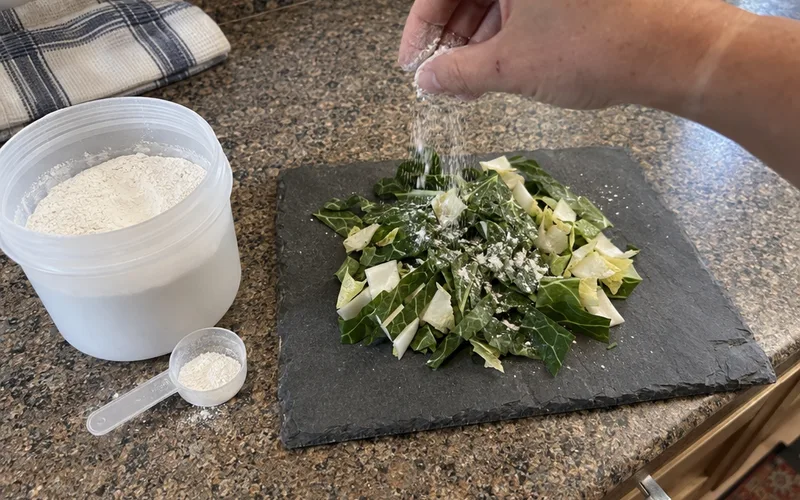
Here’s a money-saving tip from the same hospital: feed stores with poultry supplies sell 50-pound bags of calcium carbonate, likely for a lot less.
Calcium only works with UVB. The Merck Veterinary Manual says metabolic bone disease comes from a low calcium-to-phosphorus ratio, too little vitamin D3 or a lack of UVB light.
Outdoors, sunshine covers UVB. Indoors, MedVet calls for UVB lighting and a basking spot around 100 F, plus a multivitamin such as Zoo Med’s Reptivit twice a week.
Are Pellets Like Mazuri OK for Sulcatas?
Commercial tortoise pellets like Mazuri are OK for sulcatas in small amounts, as an extra rather than a replacement for grass. Sulcata Rescue Ranch says Mazuri tortoise pellets give key nutrients.
Chicago Exotics Animal Hospital lists commercial tortoise diets such as Mazuri and Zoo Med among foods to offer in smaller amounts 3 times a week.
How Often Should You Feed a Sulcata Tortoise?
A sulcata tortoise should graze grass or hay every day, while plated greens can come daily or every other day. Chicago Exotics Animal Hospital says every other day is fine for a tortoise that doesn’t move much.
Begging isn’t hunger. Owners call sulcatas “eating machines” for a reason: they graze for hours a day, and since sulcatas don’t hibernate, they do it all year.
That’s why the hospital calls overfeeding the single biggest mistake most tortoise keepers make. Reptiles have slower metabolisms than dogs and cats, so a sulcata needs less food than you’d guess.
How Much Should You Feed?
A sulcata tortoise should get all the hay it wants, plus a plate of greens and weeds it clears in one sitting, since no source sets a fixed portion. Then watch for slow, steady growth with a smooth shell.
If your sulcata suddenly refuses food, check its temperatures first, then work through why a tortoise stops eating.
What Should a Baby Sulcata Tortoise Eat?
A baby sulcata tortoise should eat the same grass-based diet as an adult: grasses, weeds and flowers, with very little produce. No source sets a separate baby menu, but young tortoises face the most risk from protein and low calcium.
That’s because they grow so fast. The Merck Veterinary Manual says most cases of metabolic bone disease are fast-growing plant eaters, like young tortoises.
Water and Soaking
A sulcata tortoise needs a shallow water dish available at all times, even if it rarely drinks. Sulcata Rescue Ranch suggests a large 30-inch plant saucer set into the ground as a wallow and water dish.
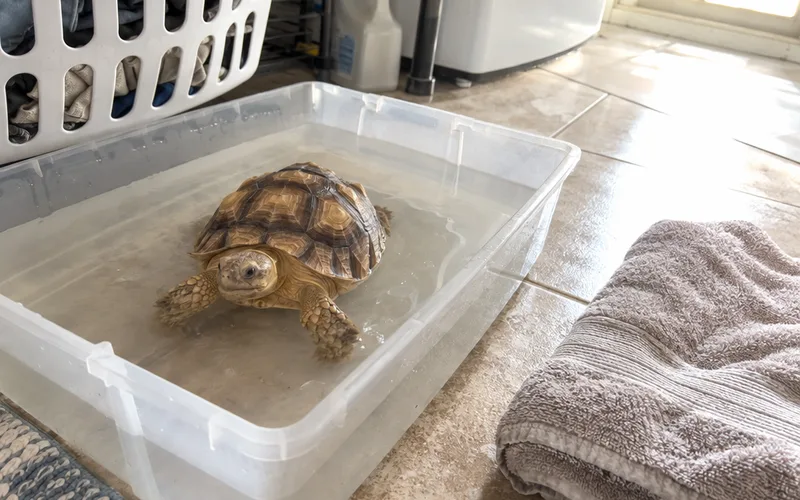
Replace the water daily, and keep it no deeper than the bridge, the part of the shell joining top and bottom, since tortoises can’t swim.
The rescue also says to soak juveniles and sub-adults weekly for 15 to 20 minutes in tepid water.
Your Next Step
The biggest rule for feeding a sulcata is simple: grass and hay first, at least 70% of every day.
So this week, buy a bale of timothy or orchard grass hay and a phosphorus-free calcium powder. Diet is only one part of sulcata tortoise care, and the wider tortoise diet rules show how other species eat differently.
Frequently Asked Questions
Can a sulcata tortoise eat cucumber?
A sulcata tortoise can have a little cucumber now and then, but it isn’t on the vet and rescue produce lists for this species. Keep watery grocery produce to a very small part of the diet and serve grass first.
Can sulcata tortoises eat cactus?
Yes, sulcata tortoises can eat Opuntia cactus pads, and Sulcata Rescue Ranch lists them with the weeds and flowers that belong in a regular diet. Cut the pads into pieces your tortoise can bite.
How do I tell if my tortoise is hungry?
Begging is a poor sign of hunger in a sulcata tortoise, because these grazers act hungry almost all the time. Judge the diet by slow, steady growth and a smooth shell instead.
Do sulcata tortoises hibernate?
No, sulcata tortoises don’t hibernate, so they keep eating all year. MedVet says they need warm, dry indoor housing whenever the weather turns cold and damp.