One zoo turtle spent almost twice as much time playing as young mammals do. That turtle was Pigface, the star of a 1996 play study, as lizard researcher Jordan Bush recounts writing for Scientific American.
The behavior of reptiles goes far beyond lying under a heat lamp. Reptiles signal with head bobs and color, compete for heat and shelter and, in a few species, guard their young.
Here’s what each everyday behavior does in the wild, and what it tells you about your pet. Most of it comes back to the enclosure’s heat, light, space and safety, so knowing the signals helps you spot stress early.
Why Temperature Drives Most Reptile Behavior
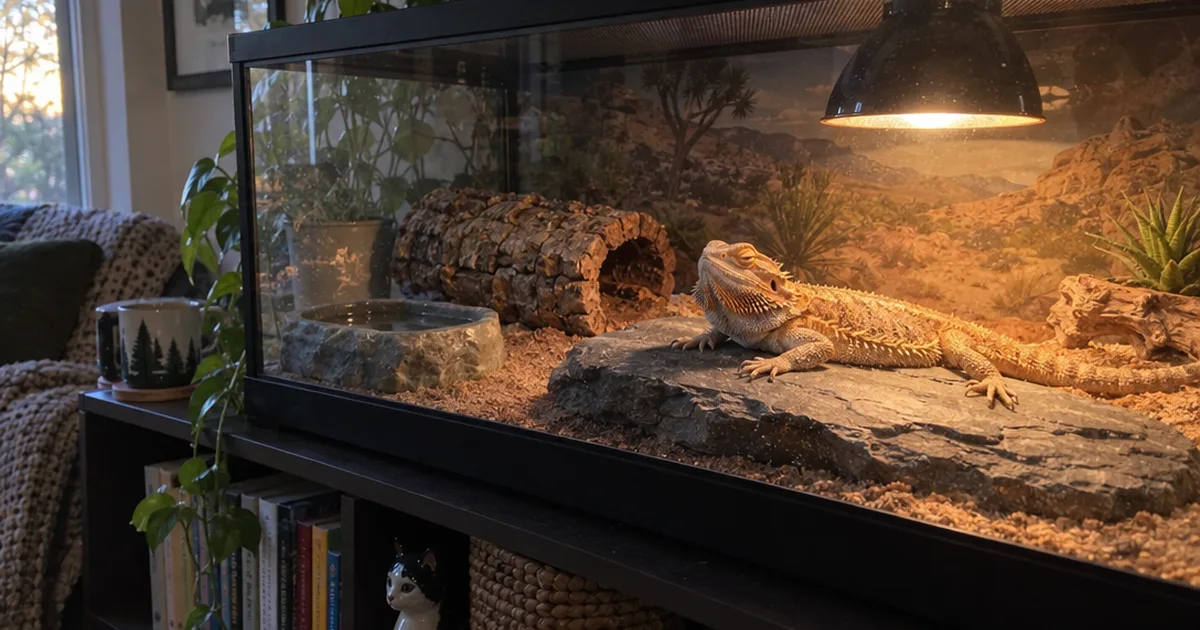
Reptiles bask in the sun to warm their bodies, because as ectotherms they get their heat from outside. Moving between sun and shade to hold the right temperature is called thermoregulation, and it drives a lot of reptile behavior.
A lizard under a lamp isn’t being lazy. Warmth lets its metabolism, muscles and digestion work at full speed.
Once it’s warm enough, it moves into shade, a burrow or water to cool off. Then it heads back to the heat, and the cycle repeats all day long.
Why does that matter for you?
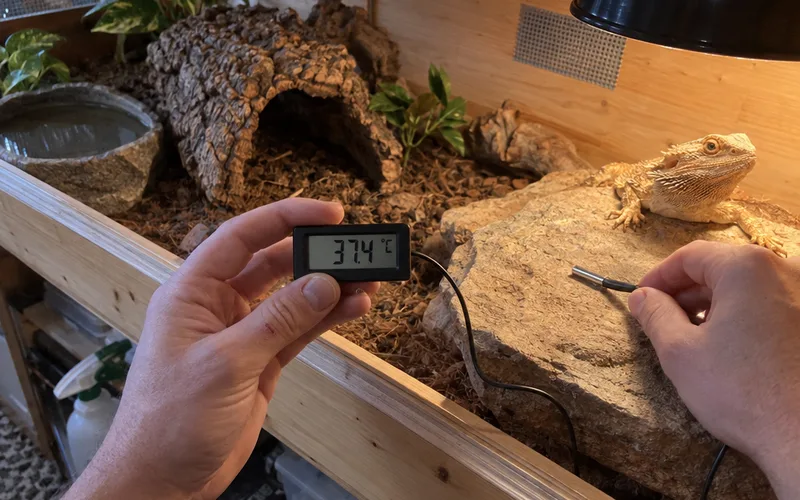
A pet can only make those moves if its enclosure offers them. So every enclosure needs a temperature gradient: a warm basking spot at one end and a cooler retreat at the other.
For day-active lizards like the bearded dragon, basking under UVB light also helps the body use calcium. Without it, a lizard can develop metabolic bone disease, which often shows up first as weakness and a reluctance to move.
Key Takeaway: Good reptile care basics start with heat, because a lot of “strange” behavior is an animal fixing its temperature.
Day, Night or Dusk: Reptile Activity Rhythms
Reptiles keep different hours. Bearded dragons are diurnal (active by day), leopard geckos are busiest at dusk and dawn, and ball pythons are mostly nocturnal.
Those schedules decide when you’ll see your pet eat, explore and bask.
So a gecko that sleeps through the afternoon is right on schedule. Knowing which pets are nocturnal or day-active tells you when to feed them and when to check on them.
How Reptiles Sense the World Around Them
Snakes and many lizards flick their tongues to smell, which is how these reptiles track food and danger. The tongue picks up scent particles and carries them to the vomeronasal organ (Jacobson’s organ) in the roof of the mouth.
In other words, a flicking tongue is a nose at work, not a threat.
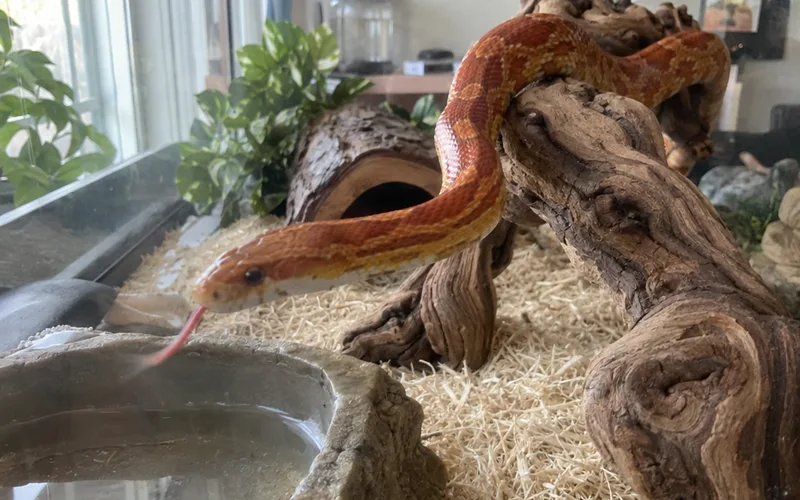
A snake that flicks steadily while it explores a new spot is collecting information about food, mates and danger.
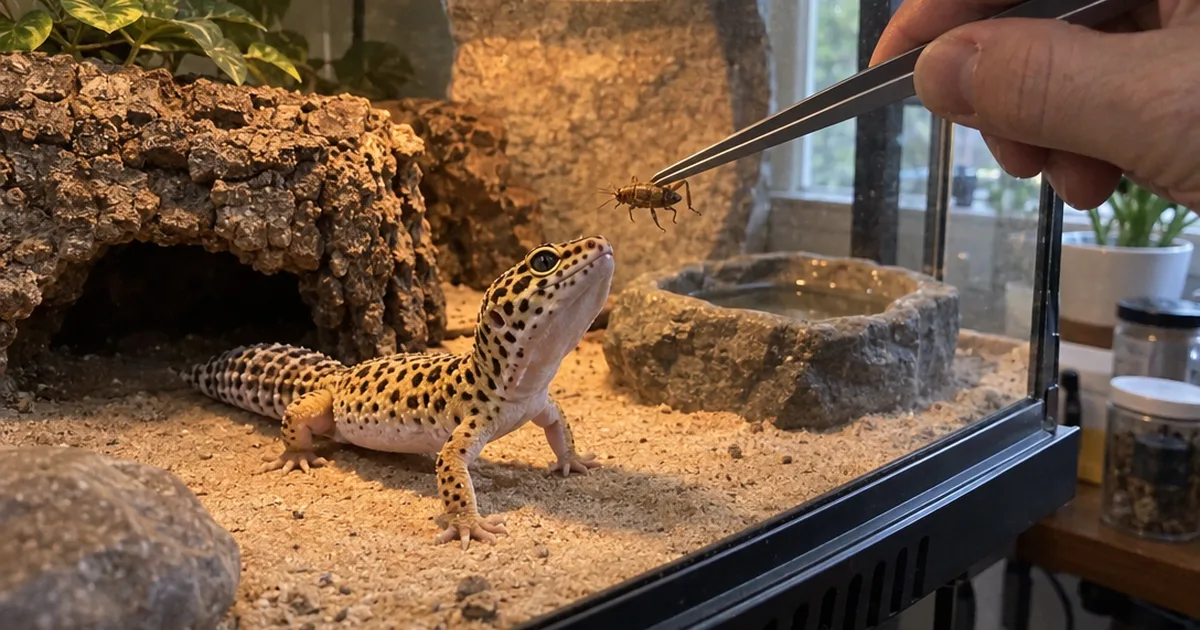
Many lizards lean more on their eyes. A bearded dragon or leopard gecko tracks movement closely, which is why a wriggling insect gets its attention far faster than a still one.
So steady tongue-flicking and alert, tracking eyes are a good sign: your pet is curious, not cornered.
How Reptiles Communicate With Each Other
Reptiles communicate mostly with body language, color and scent. Lizards bob their heads, wave a front leg, flare their throats and change color, and snakes and lizards read scent trails with their tongues.
A few species add sound. Crocodilians are the most vocal, and many lizards and snakes hiss when threatened.
Lizard signals are the easiest to spot in a pet. A bearded dragon may bob its head at a rival, wave an arm, or darken its throat into a black “beard” when stressed or excited.
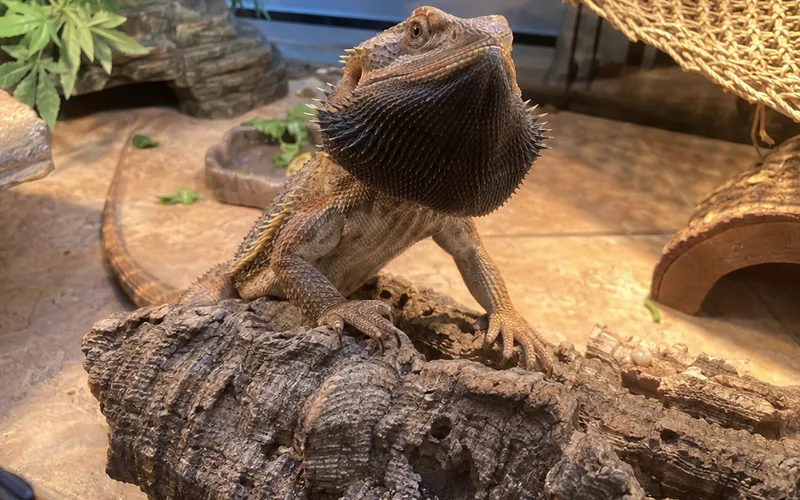
What each signal means depends on the species and the moment. If you keep a dragon, learn its head bobs and beard signals one by one instead of guessing.
Why Chameleons Change Color
Chameleons change color mainly to talk to each other, not to hide. Jordan Bush notes in Scientific American that their color changes have nothing to do with camouflage and everything to do with communication.
Here’s an example:
In a 2013 study, Arizona State researchers filmed fights between male veiled chameleons. Stripe color predicted which lizard was more motivated to win, while head color predicted which one was the better fighter.
So bright, fast color shifts in a pet chameleon are messages, often aimed at a rival it can see.
How Reptiles Defend Themselves
Most reptiles defend themselves by avoiding trouble first. They hide, freeze, blend in or flee, and only when cornered do they hiss, puff up, strike or bite.
That order matters, because an animal facing a predator, or your hand, is usually a scared one.
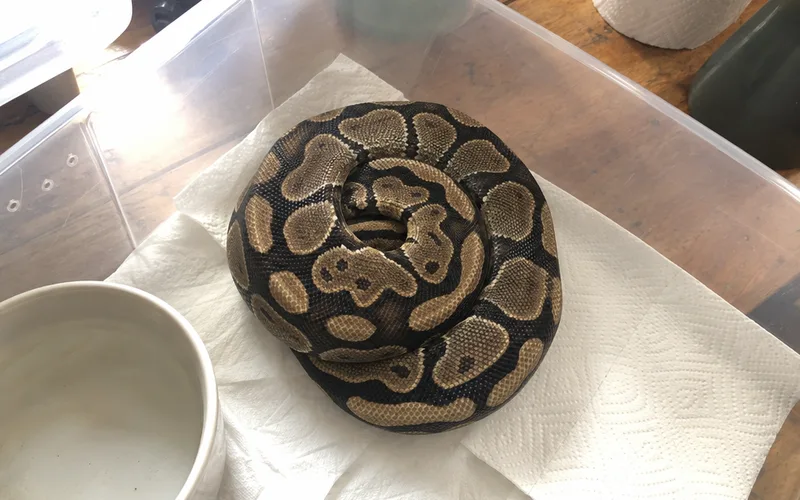
When escape fails, they turn to a set of backup moves:
- Looking bigger by puffing up, flattening the body or flaring the throat
- Warning with hisses, an open mouth or a rattling tail
- Dropping part of the tail, which keeps wriggling while the lizard escapes
- Curling up, as a ball python tucks its head into its coils or a turtle pulls into its shell
- Playing dead, a trick hognose snakes are famous for
A hognose snake playing dead can roll over with its mouth open, and it’s acting, not dying.
So in a pet, hissing, puffing and striking all say the same thing: you came in too close, too fast. Slow down, approach from the side and make sure it has places to hide.
Are Reptiles Social Animals?
Most reptiles are solitary and meet others mainly to mate or to compete for food, heat and shelter. Some species, though, live in groups or care for their young.
So “social” depends heavily on the species.
That’s why housing two animals together is tricky. In one tank, they end up competing for the same basking spot, food and hides.

Some species cope with a tank mate and others don’t. Check the rules for which reptiles can live together before you add a second animal.
Do Reptiles Take Care of Their Babies?
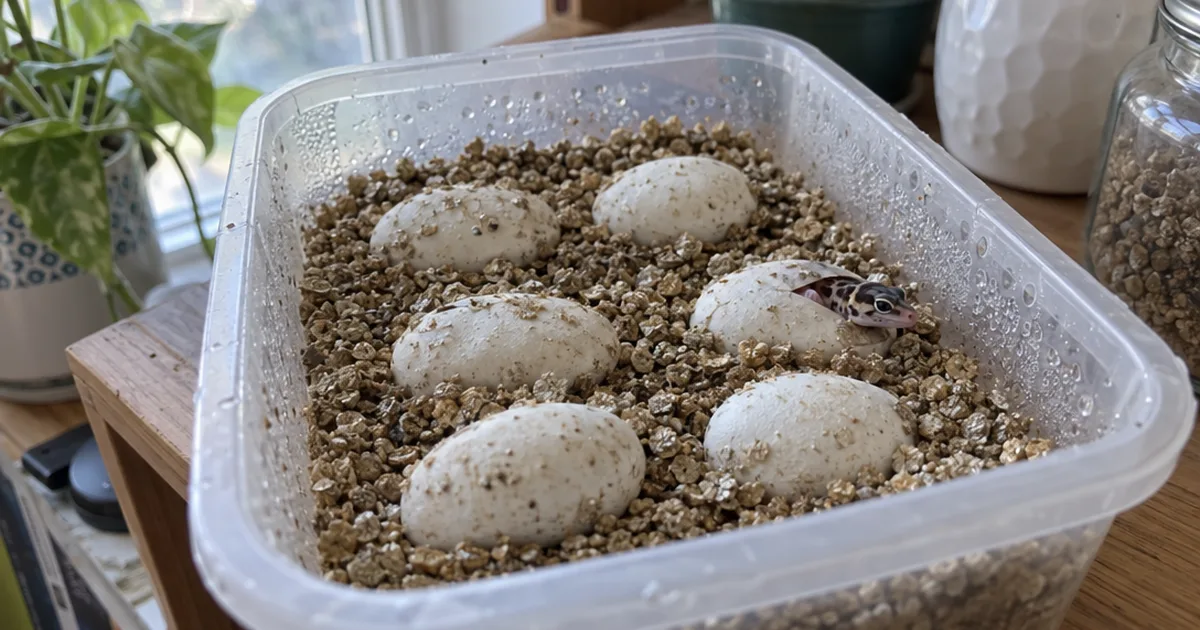
Most reptiles lay their eggs and leave, but crocodilians are a clear exception. Nile crocodile mothers carry their hatchlings in their mouths to the water and guard them for several weeks, lizard researcher Jordan Bush reports.
In fact, she notes most crocodile species show some form of parental care.
Crocodile mothers also listen closely. In a 2015 study by French researchers, most crocodile mothers checked on distress calls from younger babies but not from older ones.
That suggests mothers adjust their care to the age of their young.
Do Reptiles Play?
Some reptiles do play. In 1996, Gordon Burghardt’s team published the first official study of play in a reptile other than a bird: Pigface, a Nile soft-shelled turtle at the National Zoo.
His favorite game was a daily tug-of-war with his keepers over a garden hose.
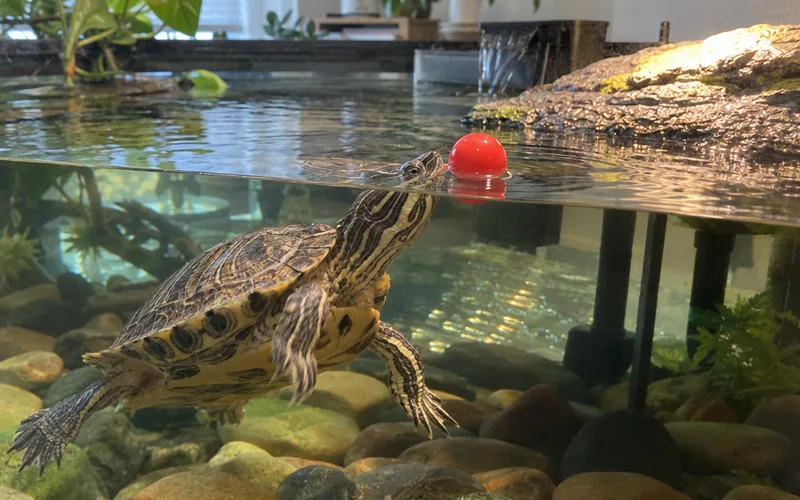
Pigface spent almost twice as much time playing as young mammals typically do. That’s huge for an animal most people picture as sluggish.
Why did the zoo give him toys in the first place?
Pigface had been badly scratching himself, a self-mutilation Jordan Bush calls common in bored or stressed captive animals. Objects to explore gave him something better to do.
That’s the lesson for your own pet: a bare enclosure can leave it with nothing to do. Simple reptile enrichment such as new branches, a digging box or a rearranged layout gives a pet room to explore.
Do Reptiles Feel Affection?
Reptile affection is unproven: reptiles haven’t been shown to feel love the way dogs do, though many pets grow calm around gentle, predictable keepers.
So treat a relaxed pet as comfortable, not attached.
A lizard or snake that sits quietly on your hand instead of bolting is telling you the handling feels safe.
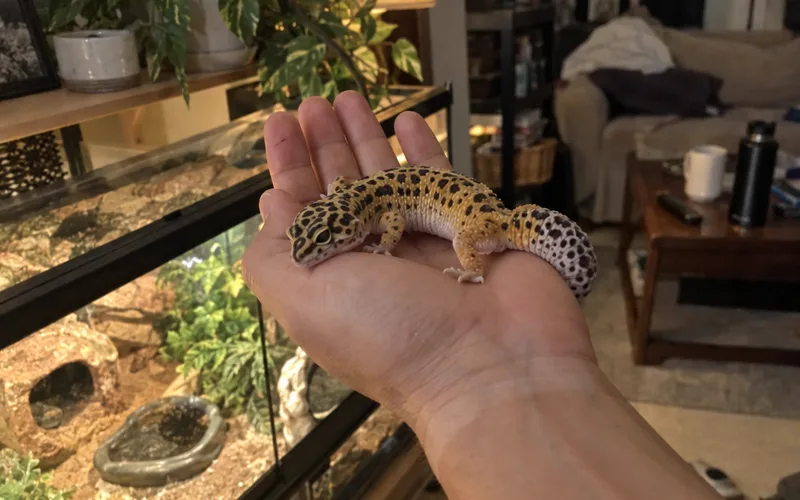
Whether these animals truly bond with humans is its own question. If handling matters most to you, start with a species that tolerates it well, and compare the best reptiles for handling before you buy.
Brumation, Sleep and Seasonal Slowdowns
Brumation is a reptile’s cold-season slowdown. As days get colder and shorter, many reptiles move far less, eat little or nothing and stay in a hide for long stretches.
Lizards, snakes, turtles and tortoises can all slow down this way.
Brumation looks like hibernation, but the two aren’t the same. The differences between brumation, hibernation and estivation change how you should care for a dormant pet.
Here’s the deal:
A pet that slows down in fall could be brumating, or it could be sick. Get an exotics vet to rule out illness before you follow the steps for reptile brumation at home.
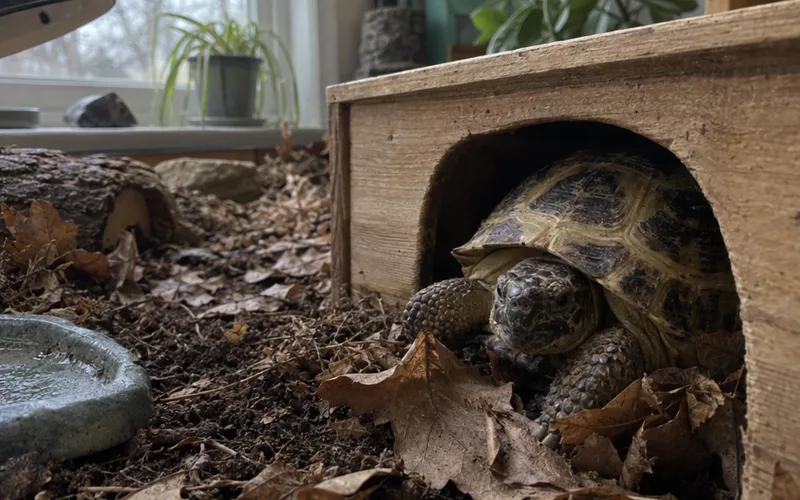
Daily sleep is a separate thing, and whether reptiles dream during it is a question of its own.
Signs of Stress and Other Warning Behaviors
Signs of stress in a pet reptile are breaks from its normal routine. Watch for constant hiding, refusing food, frantic glass surfing, lethargy, open-mouth breathing or nonstop hissing.
These animals tend to hide weakness, so a small change can matter more than it looks. Most of these signs trace back to husbandry, the heat, light, humidity and space you provide.
Here’s how to read the most common warning behaviors and what to check first:
| What you see | Often linked to | Check first |
|---|---|---|
| Never leaves the basking spot | Enclosure too cool | Basking and cool-side temperatures |
| Hides day and night | Stress, too few hides or illness | A hide at each end |
| Glass surfing | Too hot, too bare or too small | Temperatures and cover |
| Refuses food | Shedding, brumation, cold or illness | Season, shed stage and heat |
| Weakness or tremors | Metabolic bone disease | UVB bulb and calcium |
| Gaping or lethargy | Overheating or infection | Temperature and humidity |
If the setup checks out and the behavior continues, book a reptile veterinarian. Lethargy, gaping and sudden weakness are signs of disease, not personality, and snake owners can match them against these snake health warning signs.
What Reptile Behavior Tells You
Reptile behavior is mostly a readout of the enclosure: its heat, light, space and safety.
So when something looks off, fix the setup first.
This week, check your basking and cool-side temperatures with a digital thermometer, and make sure your pet has a hide at each end.
Frequently Asked Questions
Do reptiles feel love and affection?
Reptiles have not been shown to feel love or affection the way dogs and cats do, so treat a calm pet as comfortable rather than attached. Let your reptile come to you, keep handling short and stop when it hisses, puffs up or tries to escape.
Do reptiles engage in play?
Some reptiles do play: Pigface, a Nile soft-shelled turtle at the National Zoo, played tug-of-war with his keepers over a garden hose in Gordon Burghardt’s 1996 study. Jordan Bush reports in Scientific American that he played almost twice as much as young mammals typically do.
Do reptiles get bored in captivity?
Captive reptiles can show signs of boredom and stress: Pigface the turtle badly scratched himself until zookeepers gave him objects to play with. Add hides, branches and things to explore, and change the layout now and then.
Why does my reptile hide all the time?
Reptile hiding is normal for part of every day, especially in species that rest while you’re awake. Hiding through its usual active hours points to stress, a cold enclosure or illness, so check temperatures and hides, then see a reptile vet.