A ball python you bring home this year could still need you in 2056. That’s 30 years, the top of the ball python lifespan range in a vet-reviewed care sheet from Chewy.
Whether yours gets there comes down to care you control. Parasites, respiratory disease and shedding problems are among the conditions that cut a ball python’s life short, and a clean enclosure with a suitable diet lowers the risk of serious illness.
Here’s how those decades break down by life stage, plus the 3 habits that push your snake toward the long end. The 11 warning signs from the same care sheet then help you tell a sick snake from one that’s simply getting older.
How Long Do Ball Pythons Live as Pets?
Pet ball pythons live more than 20 years on average and can reach 30 with proper care, according to the Chewy care sheet reviewed by veterinarian Molly Price (updated March 2026).
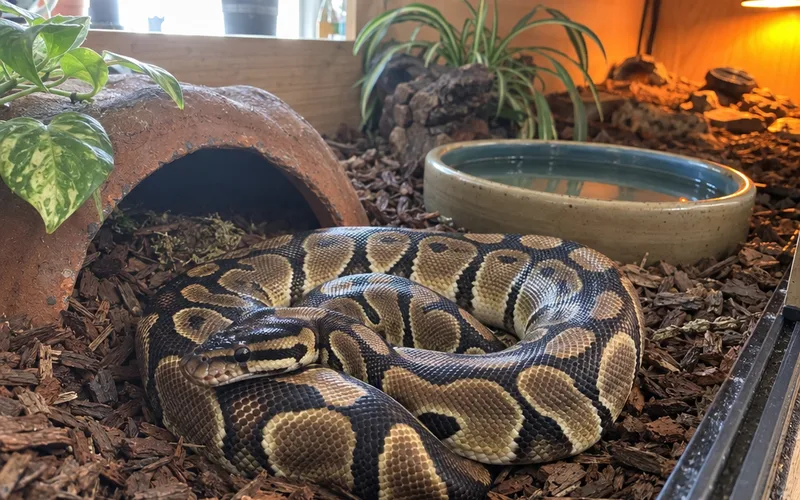
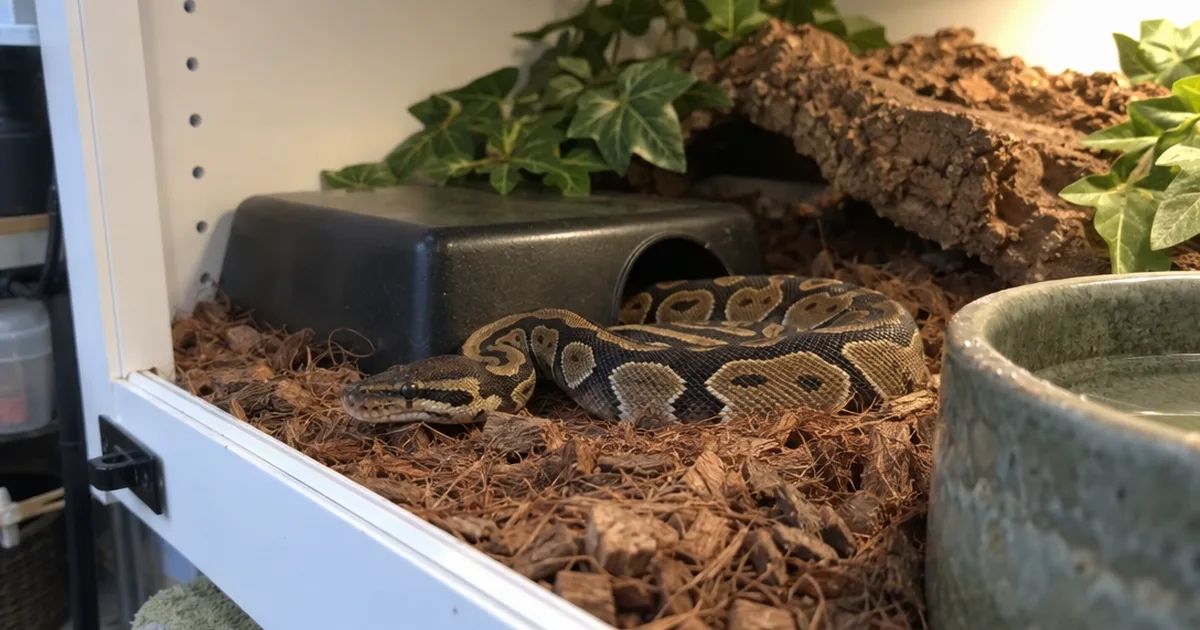
So a healthy ball python (Python regius) realistically lands somewhere between 20 and 30 years, and care decides which end.
That’s a long time to plan for. If you keep other species too, the lifespans of other pet snakes show how a ball python compares.
Ball Python Lifespan by Life Stage
A ball python is fully grown at around age 3, a vet-reviewed care sheet says, so it spends most of its life as an adult.
The care sheet ties feeding to those stages too:
| Life stage | Age | How often to feed |
|---|---|---|
| Juvenile | Hatch to about 3 years | Weekly |
| Adult | About 3 to 20+ years | Every other week |
| Long-lived adult | Up to 30 years | Every other week |
That drop in meals matters more than it looks. Weekly feeding is meant to fuel growth, so an adult kept on a juvenile schedule gets twice the meals it needs.
What Shortens a Ball Python’s Life
The diseases that can cut a ball python’s life short are parasites, skin infections, respiratory disease, inclusion body disease, gastrointestinal obstruction and shedding problems, the conditions the Chewy care sheet says ball pythons are prone to.
The good news?
A clean, properly kept enclosure and a suitable diet lower the risk of serious health problems, the care sheet adds.
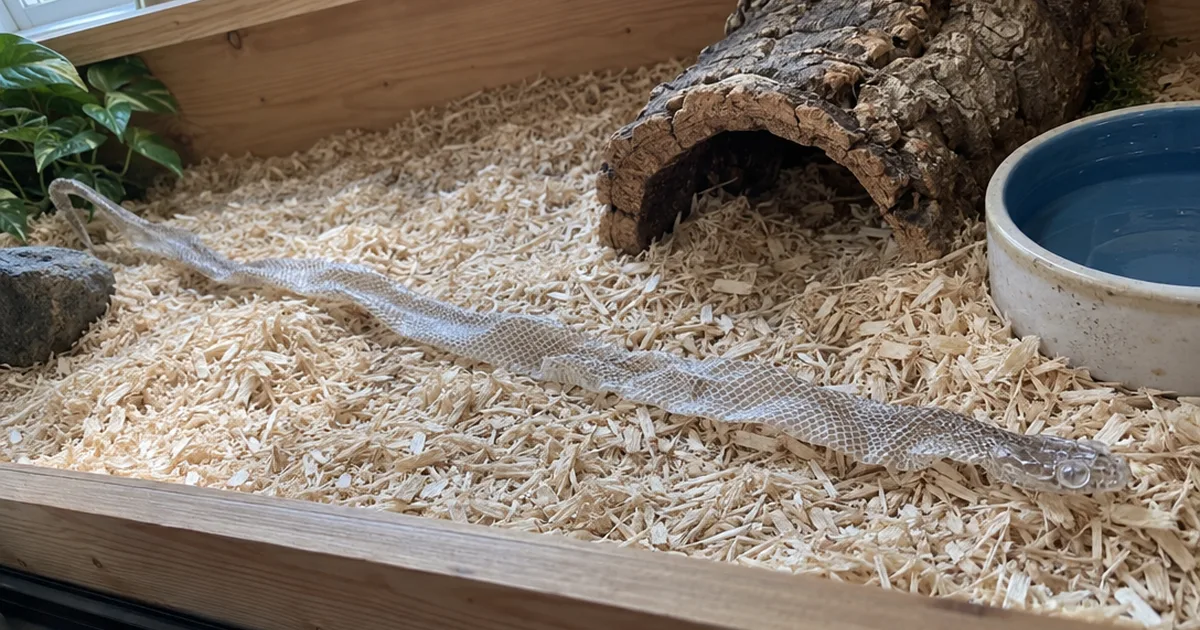
In other words, you can work against most of that list every day. A wheezing snake may be developing a respiratory infection in ball pythons, and patchy sheds are worth comparing with how often ball pythons shed normally.
Symptoms like these show up in other species too, so common snake health problems are worth knowing if you keep more than one snake.
How to Help Your Ball Python Live Longer
A ball python reaches the long end of its lifespan when its heat, food and vet care stay steady for decades, according to a Chewy care sheet reviewed by a vet.
Here’s what that looks like in practice:
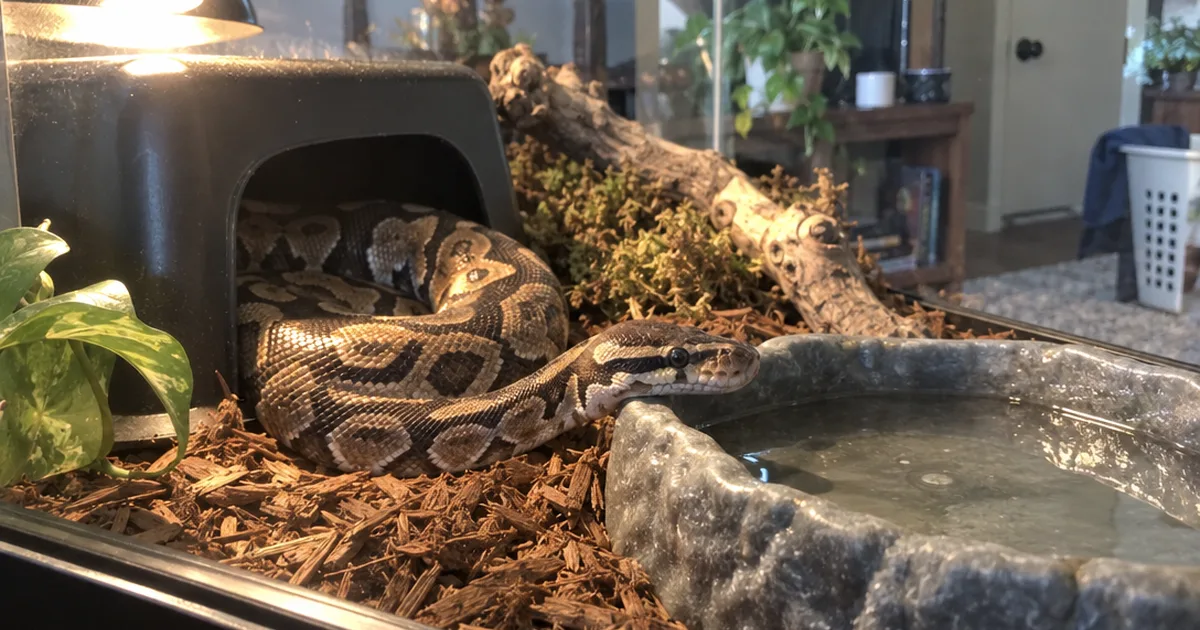
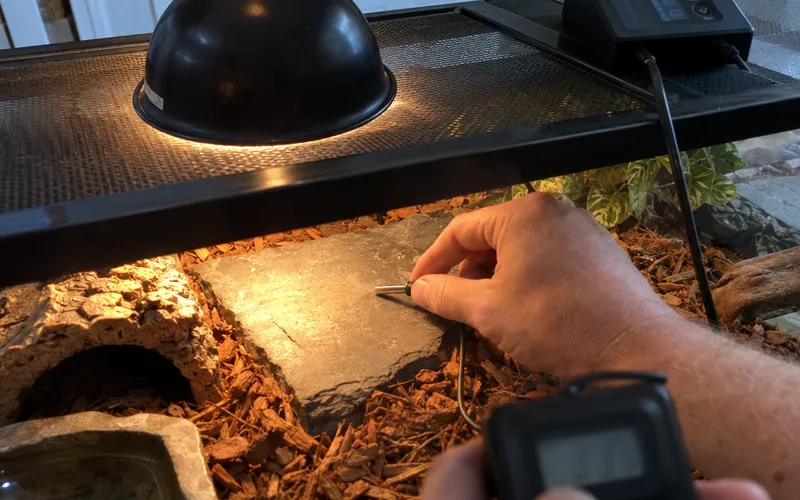
- Hold the heat gradient. Keep the basking side around 88-92°F and the cool end around 78°F, and check both with a thermometer. The ideal temperature and humidity settings and a solid ball python enclosure setup make this easy to keep steady.
- Feed by age, not by appetite. Juveniles eat weekly and adults every other week. If your snake turns down meals, work through why a ball python stops eating before changing the schedule.
- Book a yearly vet exam. An exotics veterinarian should check your ball python once a year, even when it looks fine.
Pick the one you’re not doing yet and fix it this week.
Signs Your Ball Python Is Sick, Not Just Old
A ball python that slows down or stops eating needs a vet check, whatever its age, because the Chewy care sheet treats changes like lethargy and loss of appetite as signs of illness.
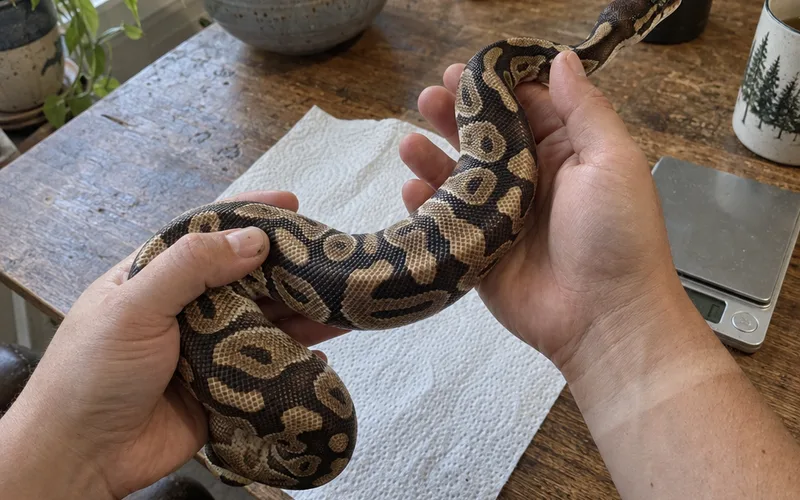
Call your vet if you notice any of the 11 signs it lists:
- Cloudy eyes, stuck shed, skin lesions, lumps or bumps
- Discharge around the vent or from the mouth
- Wheezing or difficulty breathing
- Lethargy, abnormal movement or loss of appetite
- Loose stools
Don’t write any of these off as old age. Let a vet rule out illness first.
If appetite is the only change, check how long a ball python can go without eating before you panic.
How to Tell How Old Your Ball Python Is
A ball python’s age is only certain when you know its hatch date, so the breeder, store or previous owner is your best source.
Size helps with young snakes only. A ball python reaches full size around age 3, a vet-reviewed care sheet says, so two adults of the same length could be years apart.
If you’re buying, ask before you pay. Here’s what to say: “Do you have a hatch date for this snake, and how often has it been eating?”
Write the answer down. It’s your starting point for every year that follows.
Plan for a 20- to 30-Year Pet
Owning a ball python is a commitment of 2 or 3 decades, which is why a vet-reviewed care sheet tells buyers to be ready for a lengthy commitment first.
That means thinking past the next move or job. Decide who would take your snake if your life changed, and budget for a vet visit every year.
Start with the ball python care basics, then set up your enclosure to match them this week.
Frequently Asked Questions
At what age is a ball python fully grown?
A ball python is fully grown at around 3 years old, according to a vet-reviewed Chewy care sheet. From that point, switch to the adult feeding schedule of one meal every other week.
What are the common causes of death in ball pythons?
The common causes of death in ball pythons are diseases they’re prone to, which a vet-reviewed Chewy care sheet lists as parasites, skin infections, respiratory disease, inclusion body disease, gastrointestinal obstruction and shedding problems. Book a yearly exam with an exotics vet, as the same care sheet advises.