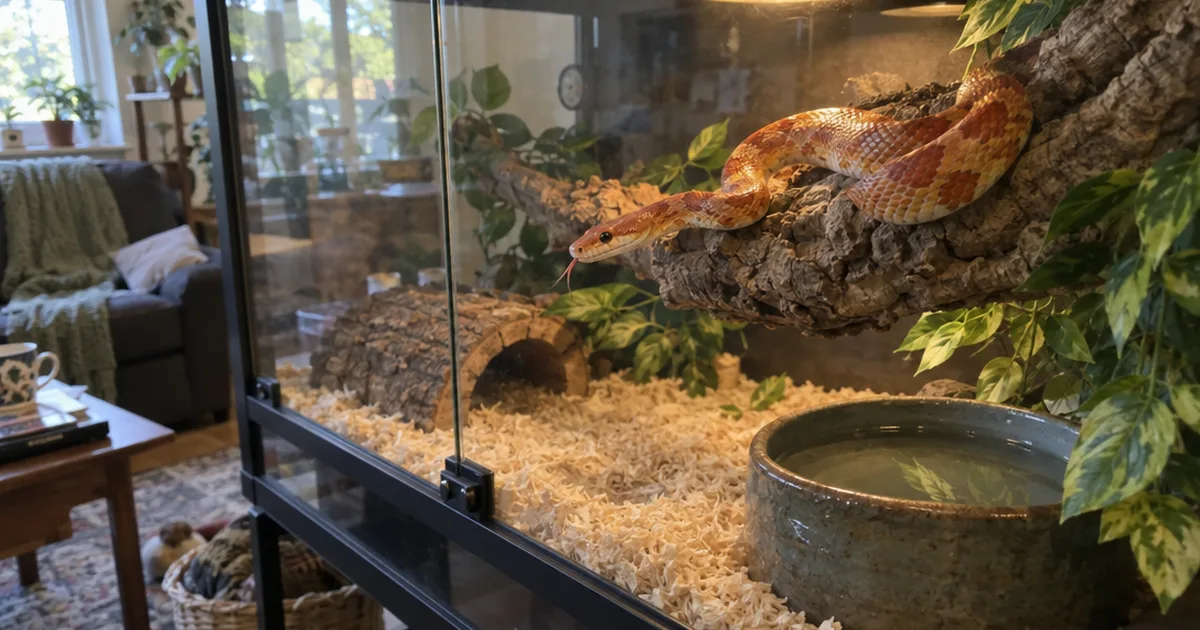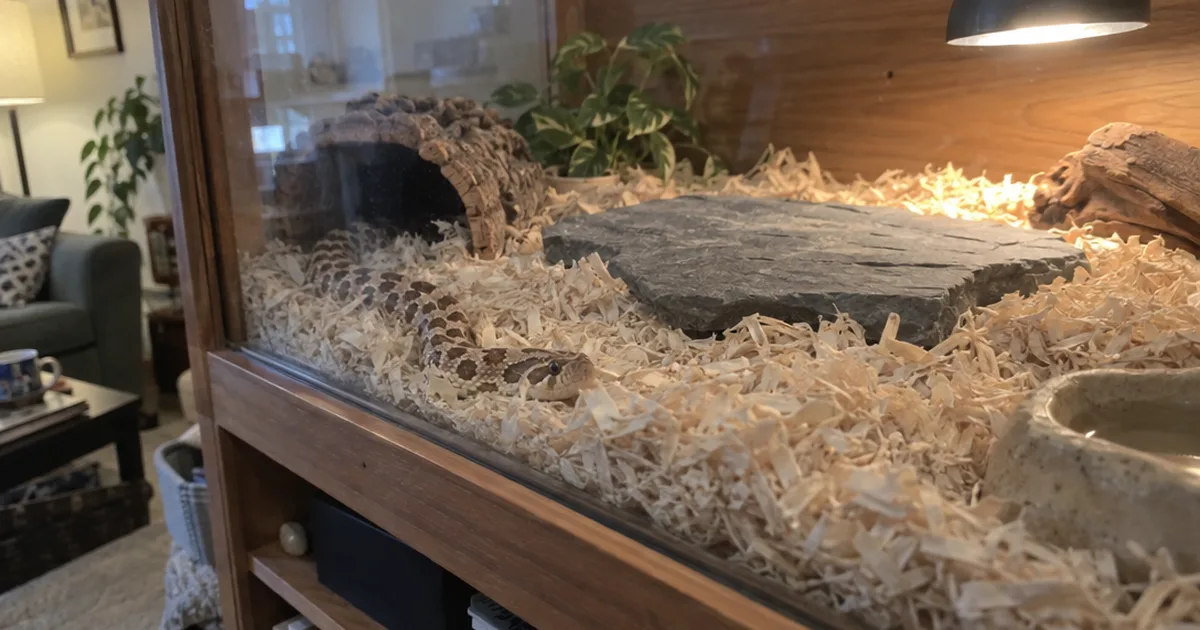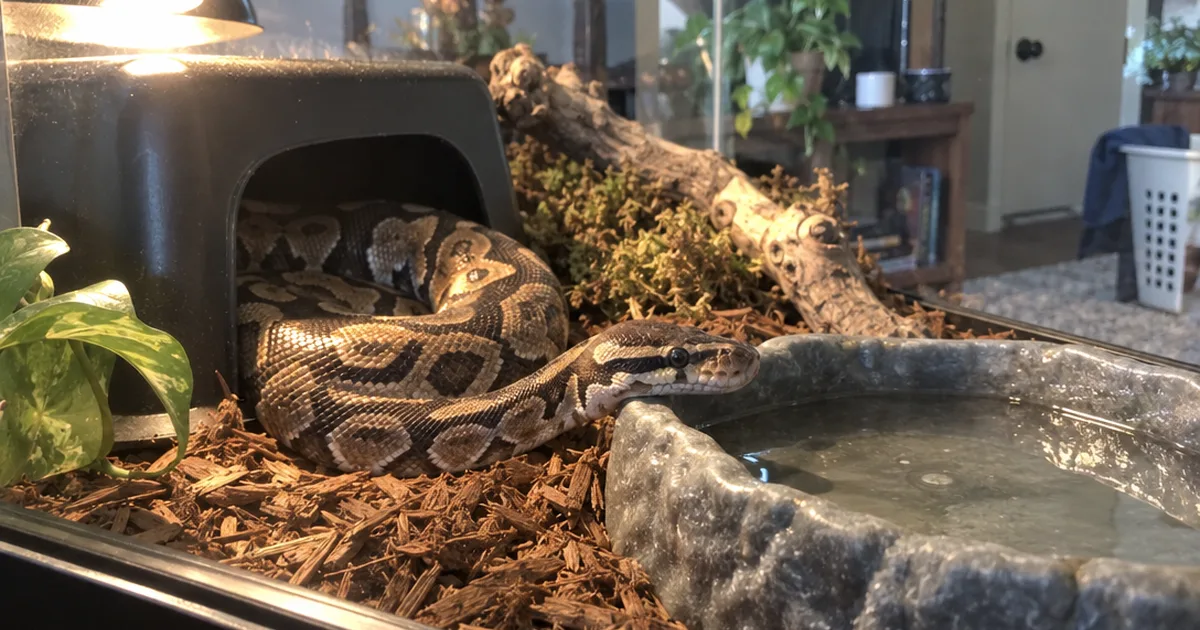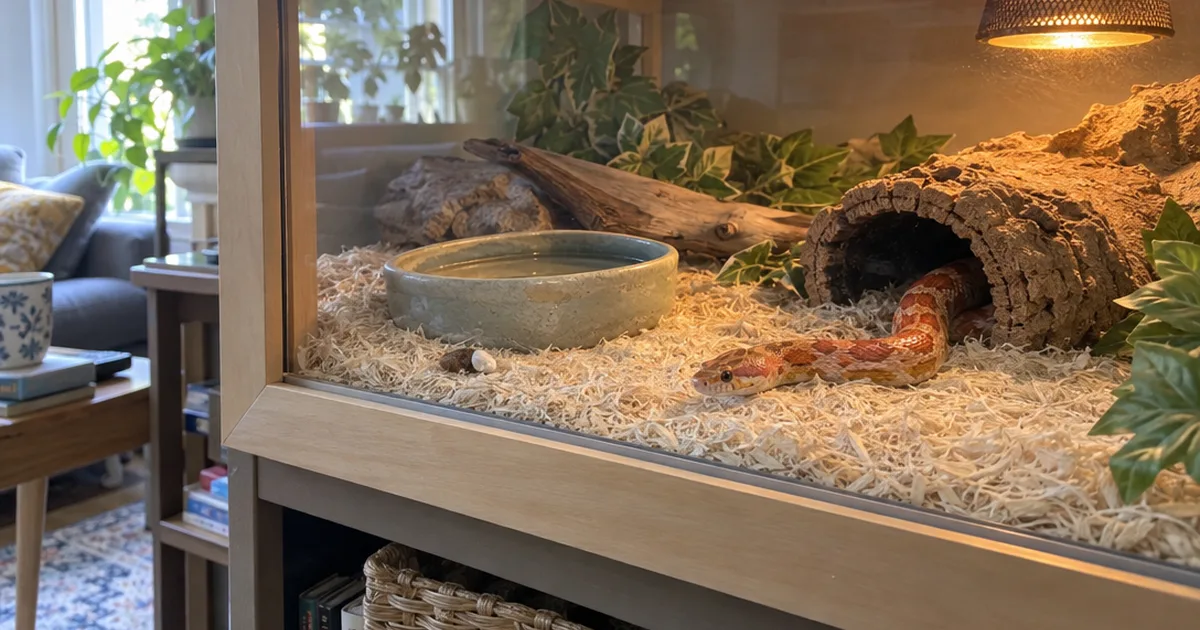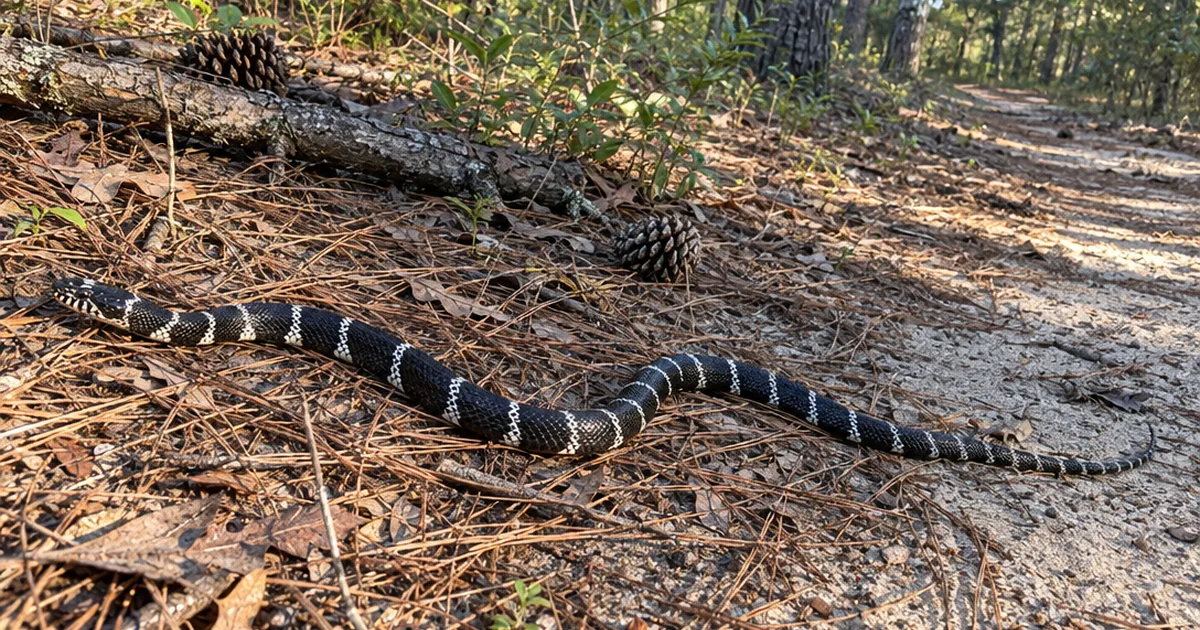
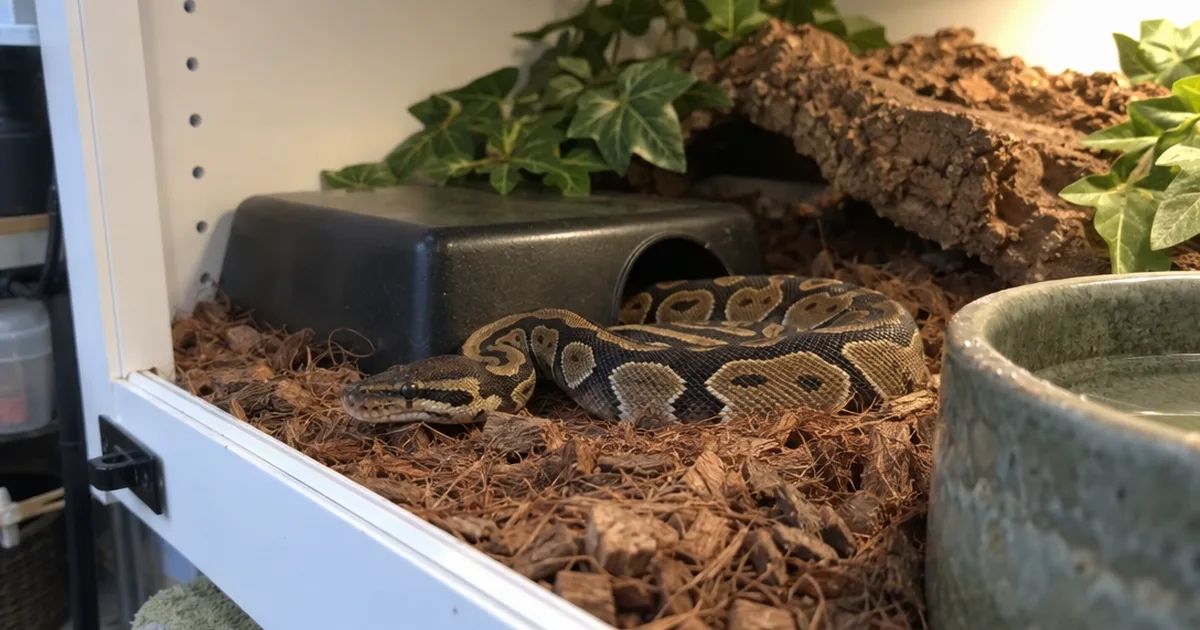
The average pet ball python lives 20 years. That’s the captive average in the Animal Diversity Web species account, so the setup you build this month has to work for two decades.
Over those years, a ball python forgives small slips but not months of dry air or a heat mat with no thermostat. The good news is that ball python care comes down to a handful of numbers you can check with a thermometer and a hygrometer.
The 8 steps here each come with the number to hit, from enclosure size to feeding by age. When a shed comes off patchy or a meal gets refused, the shedding and feeding sections show which of those numbers to check first.
How to Care for a Ball Python Step by Step
Caring for a ball python takes 8 steps: an adult-size enclosure, damp substrate with two hides, a warm and cool side, 60% to 70% humidity, a light cycle, frozen-thawed rodents, water and calm handling. Set up steps 1 to 5 before your snake comes home.
Step 1: Get an Enclosure Sized for an Adult
An adult ball python needs at least the floor space of a 40-gallon breeder tank, about 36 x 18 x 16 inches, and does best in a 4 x 2 x 2 foot enclosure or larger, according to Badgerland Reptile Rescue.
Hatchlings can start in a smaller cage and move up as they grow. The ball python enclosure size breakdown gives dimensions for each stage.
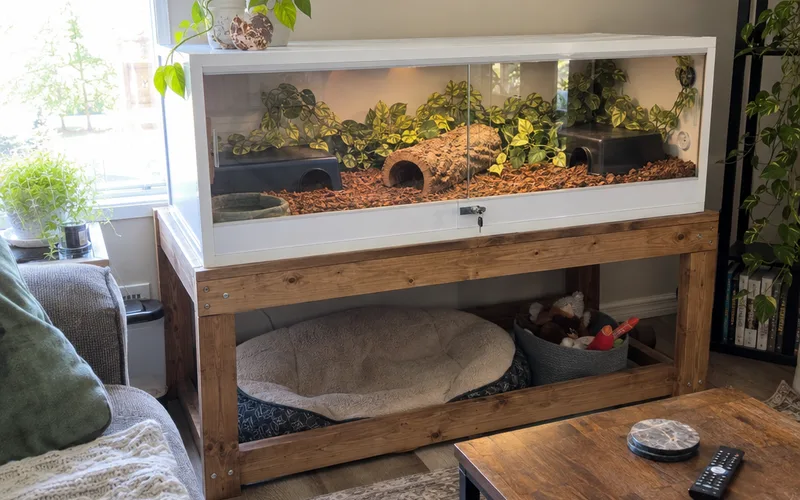
You’ve got 3 common choices:
- PVC cages hold heat and humidity best.
- Glass aquarium tanks and terrariums are easy to find but lose humidity through a screen lid.
- Large plastic bins are cheap and hold humidity well.
Whatever you buy, make sure the lid locks and the vents are secure. For layouts and decor, the ball python enclosure ideas page shows finished habitats that work.
Step 2: Add Moisture-Holding Substrate and Two Hides
Coconut husk and cypress mulch are the best ball python substrate for most owners, because they hold moisture without turning soggy. Lay 2 to 3 inches, the depth BeWild Reptile Rescue uses in its ball python care guide on the MorphMarket community.
Skip pine and cedar shavings completely. BeWild says pine or cedar should never be used because of toxic phenols in the wood, and aspen bedding molds fast in a humid habitat.
Paper towels work for quarantine, since they let you spot parasites and check feces easily.
Then add 2 snug hides, one on the warm side and one on the cool side. Ball pythons feel safe when their body touches the walls of a hide, so pick ones that are only a little bigger than your snake.
In the wild, Python regius (its scientific name) lives in the grasslands and open forest of West and Central Africa and spends much of its time in burrows.
Cork bark, branches and fake plants give it cover to move between hides. The full ball python enclosure setup walkthrough shows where each piece goes.
Step 3: Build a Warm Side and a Cool Side
A ball python needs a temperature gradient with a warm side of 85-92°F and a cool side of 75-80°F, according to Badgerland Reptile Rescue. That spread lets your snake warm up or cool down by moving, a habit called thermoregulation.
BeWild aims a little tighter, with a basking hot spot of 88-90°F.
Here’s how to set it up:
- Put one heat source at one end, such as a heating pad, a radiant heat panel or a ceramic heat emitter, which gives off infrared heat without light.
- Plug it into a thermostat, so it can never run hot enough to burn your snake.
- Place a digital thermometer probe on each side and read both daily, or spot-check surfaces with an infrared thermometer.
Never use a heat rock. They can’t be regulated and can burn reptiles badly.
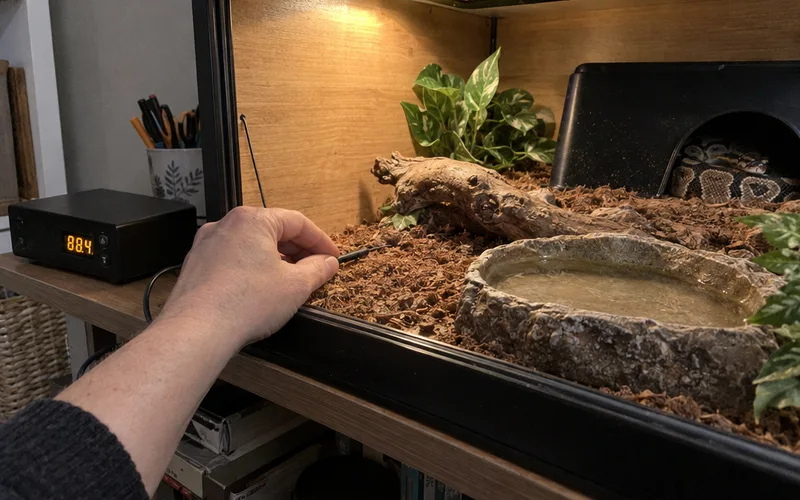
At night, a small drop is fine. But BeWild says to avoid the temperature regularly dropping below 75°F, so a cold room temperature in winter needs a ceramic heat emitter on its own thermostat.
The ideal temp and humidity guide covers seasonal tweaks.
Step 4: Keep Humidity at 60% to 70%
Ball python humidity should stay between 60% and 70% most of the time, according to Badgerland Reptile Rescue. Some popular care sheets list lower ranges, but dry air is the usual reason ball pythons struggle to shed.
Read humidity with a digital hygrometer, not a stick-on dial.
Glass tanks are the hardest to keep humid. The fix BeWild uses is to cover about 80-90% of the screen top with plastic sheeting, plexiglass or foil tape to keep the humidity in.
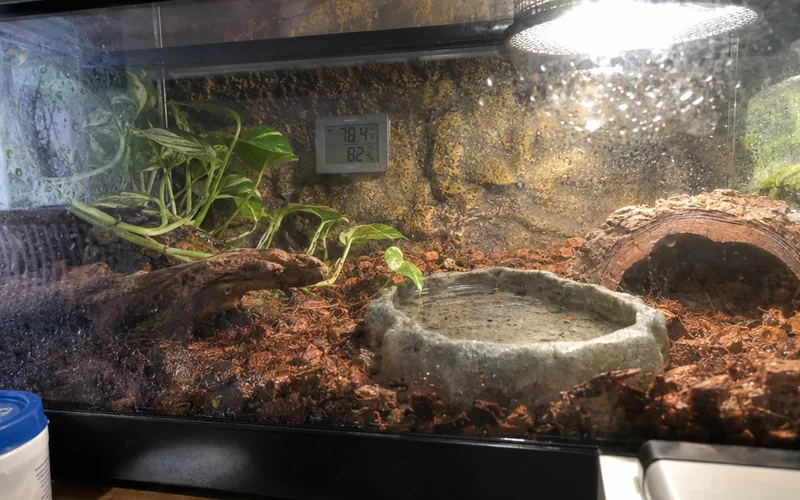
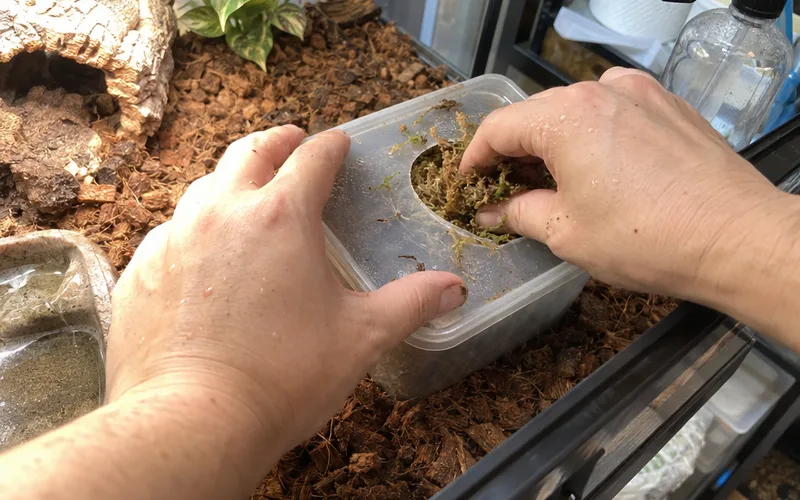
A humid hide helps too: a closed hide filled with damp sphagnum moss gives your snake a wet spot when its skin starts to loosen.
Step 5: Give It a Day and Night Light Cycle (UVB Is Optional)
Ball pythons need a regular day and night cycle, but UVB lighting is optional. Badgerland Reptile Rescue says UVB is not required because ball pythons are crepuscular, meaning most active at dawn and dusk.
BeWild goes further: it says there’s no firm evidence UVB is necessary, and most keepers don’t use it. Snakes that eat whole prey get vitamin D from their food.
If you want to add ultraviolet B (UVB), which Badgerland says may encourage more natural behavior, pick a low-output tube, such as a 5% bulb, and keep plenty of cover so your snake can get out of the light.
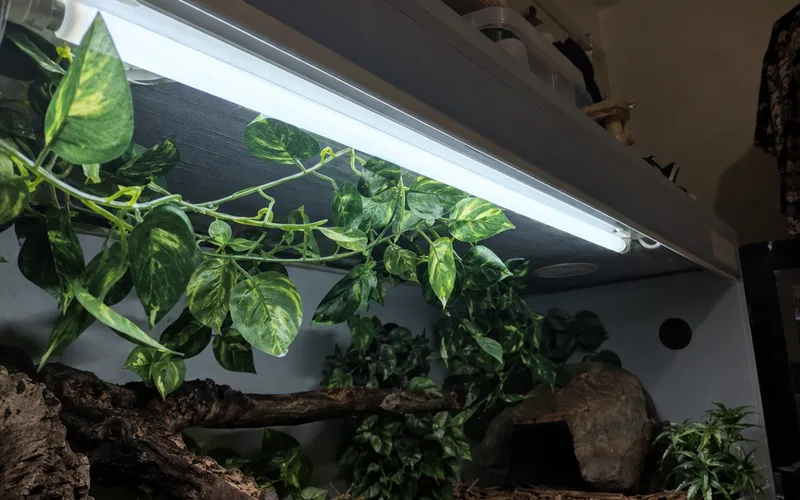
Either way, put the lighting on a timer that follows a normal day. Skip red bulbs at night, because reptiles can see red light and it disturbs their sleep.
Step 6: Feed Frozen-Thawed Rodents on an Age-Based Schedule
Ball pythons eat whole rodents, and the safest choice is frozen-thawed mice or rats. Badgerland Reptile Rescue recommends only pre-killed prey, because live rodents can severely injure or kill a snake.
Ball pythons are obligate carnivores that get their nutrition from whole prey, so size each meal to your snake. BeWild feeds prey about as big as the biggest part of the snake’s body, so hatchlings start on small mice and adults move up to rats.
Here’s the schedule BeWild uses:
- Hatchlings and juveniles: once every 7 days
- Full-grown adults: every 10-14 days
Thaw each rodent in the fridge, warm it in a sealed bag in warm water, then offer it with feeding tongs.
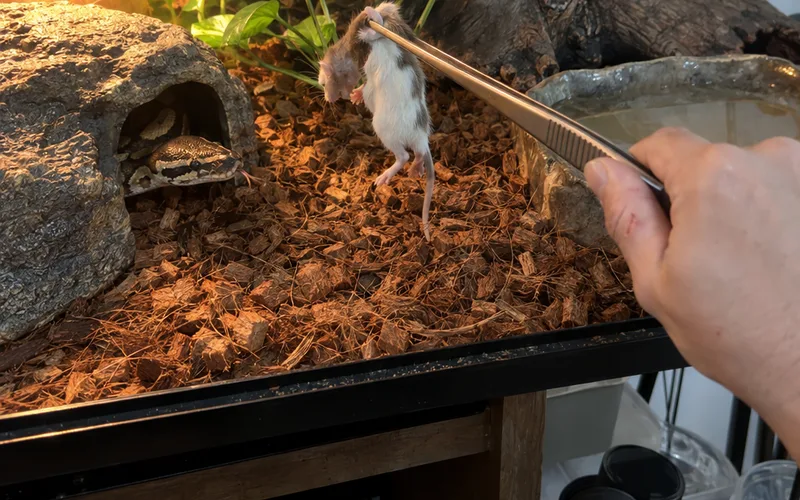
Worried your snake will only eat live? BeWild says only 2 of at least 100 snakes it took in refused to switch to frozen-thawed food.
For prey sizes and fasting periods, see how long a ball python can go without eating.
Step 7: Keep a Soaking-Size Water Bowl Full
Ball pythons need clean drinking water every day in a heavy bowl big enough to soak in. Change the water daily, and scrub the bowl whenever it gets dirty, because snakes often soil their water.
A soak-size water bowl also nudges humidity up across the vivarium.
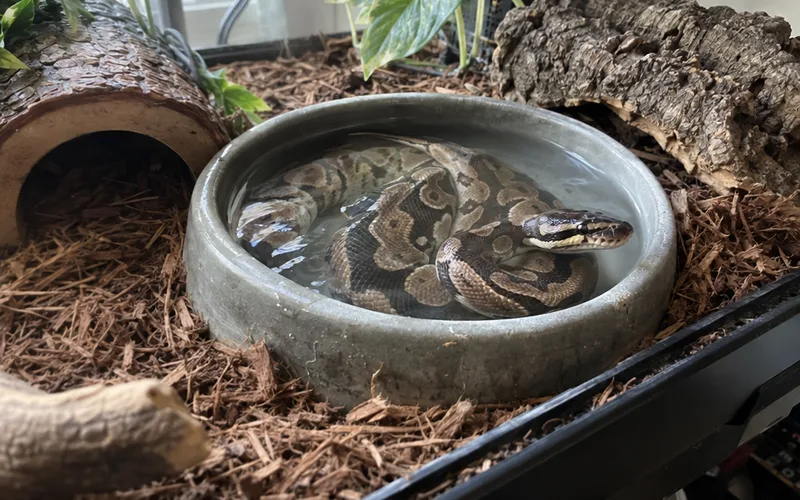
Missing water is a bigger emergency than a missed meal. The guide to how long a ball python can go without water explains why.
Step 8: Handle Gently and Read the Warning Signs
Ball pythons tolerate gentle handling well once they’ve settled in, as long as you support the whole body and wait after meals. Wait until a new snake is eating regularly before you handle it.
Skip handling for a few days after feeding, while your snake digests, to lower the risk of regurgitation. Handle less during a shed too, when cloudy eyes make it nervous.
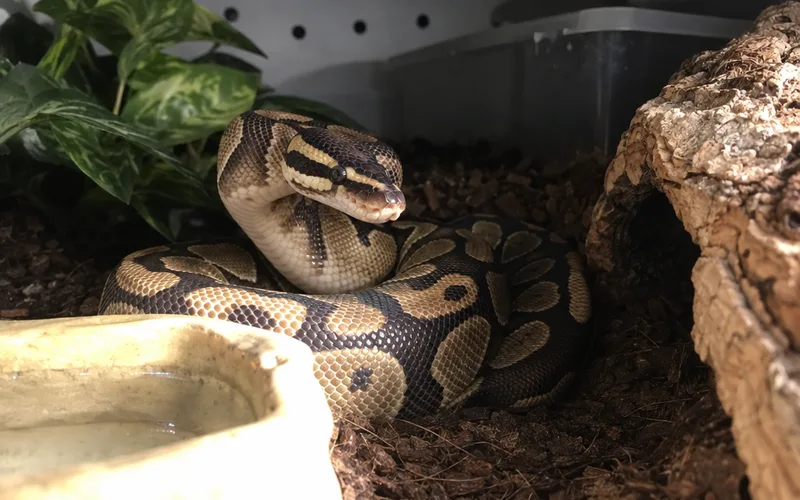
Healthline says an S-shaped neck and head is a warning sign that a ball python may strike. If you see that pose, put the snake back and try another day.
What You Need to Care for a Ball Python
A ball python setup needs a locking enclosure, a heat source on a thermostat, 2 digital thermometers, a digital hygrometer, substrate, 2 hides plus a humid hide and a heavy water bowl. Buy it all before the snake.
Then run the heat for 2 or 3 days and confirm both sides read correctly before your animal moves in.
That way you fix a cold spot or dry air while the enclosure is empty, not while a stressed new pet hides in it.
Ball Python Care Sheet at a Glance
A ball python care sheet boils down to 7 numbers:
- Adult enclosure: 40-gallon breeder minimum, 4 x 2 x 2 feet preferred
- Warm side: 85-92°F, with a hot spot around 88-90°F
- Cool side: 75-80°F
- Night: avoid regular drops below 75°F
- Humidity: 60-70%
- Substrate depth: 2-3 inches
- Feeding: every 7 days for young snakes, every 10-14 days for adults
Save it to your phone and check temperature and humidity against it every day.
Is a Ball Python Easy to Take Care Of?
A ball python is a good first snake, but not a no-effort one. The ReptiFiles care guide, updated October 17, 2025, says ball python care isn’t necessarily easy, but their hardiness makes them a good fit for new reptile keepers.
In other words, the snake forgives small mistakes. It doesn’t forgive months of dry air or a heat mat with no thermostat.
The bigger challenge for beginners is patience. Ball pythons are shy and mostly nocturnal, so they hide most of the day, and many skip meals for reasons that have nothing to do with you.
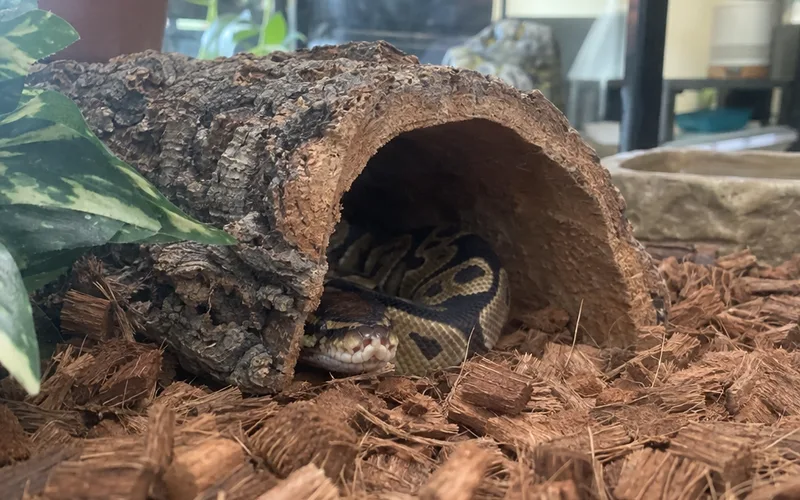
If you want a snake that eats on schedule every time, a corn snake is the more predictable starter.
How Big Do Ball Pythons Get?
Adult ball pythons usually reach 3.6 to 4.5 feet. ReptiFiles, citing a survey by Aubret and colleagues, says males grow 3.6-4.3 feet and females 3.8-4.5 feet long.
Hatchlings are tiny by comparison, so they grow into an adult enclosure over their first few years.
That size gap between sexes matters if you’re choosing a snake. The male vs female ball python comparison covers size, temperament and cost.
If you ever plan on ball python breeding, the ball python eggs guide covers incubation.
Ball Python Shedding: What a Good Shed Looks Like
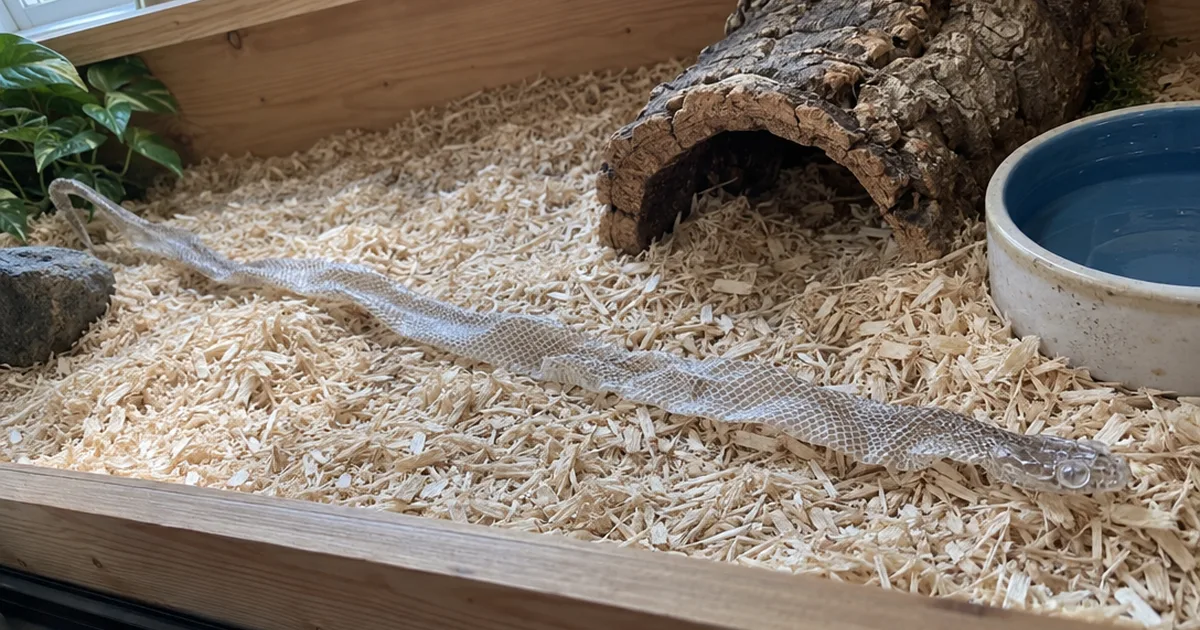
A healthy ball python sheds its skin in one intact piece and finishes in about 1 hour, according to BeWild Reptile Rescue. Patchy shed, a retained tail tip or stuck eye caps mean the humidity is too low.
You’ll see it coming. Your snake’s skin turns dull and its eyes go cloudy blue for several days, then clear again just before the shed.
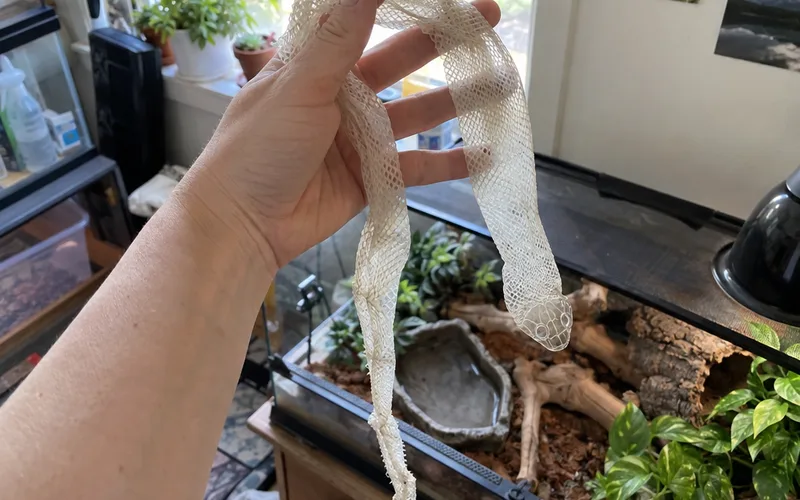
Check every shed for the eye caps and tail tip. The ball python eyes page shows what retained caps look like.
If shed is stuck, raise humidity and offer a warm soak in shallow water, but never peel skin that won’t roll off. The fix for stubborn cases is in dysecdysis, and the normal rhythm is covered in how often ball pythons shed.
Why Is Your Ball Python Not Eating?
A ball python not eating needs a setup check before anything else: warm and cool side temperatures, 60-70% humidity, two snug hides and how often you handle it. A coming shed or a recent move can also put a ball python off food.
Snakes in rescue settings often eat again in smaller, darker enclosures. BeWild uses plastic bins for nervous snakes that aren’t eating, and a regulated heat mat to help snakes that refuse food.
So when should you worry?
Weigh your snake every week or two on a kitchen scale. A snake holding its weight can wait, while steady weight loss means a call to a reptile veterinarian.
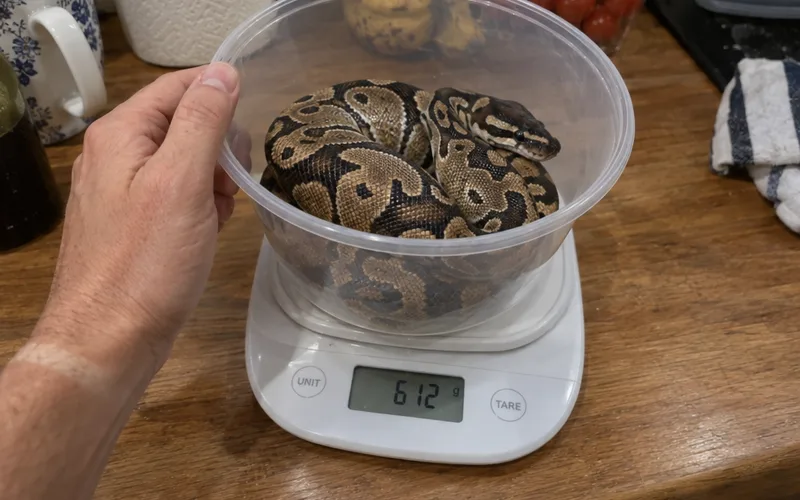
The ball python not eating troubleshooting guide walks through each cause in order.
Signs of a Healthy Ball Python (and When to See a Vet)
A healthy ball python is alert and flicks its tongue often, with clear eyes, intact skin and no stuck shed, according to Badgerland Reptile Rescue. Its nose, mouth and vent should be clean, and it should breathe with its mouth closed.
Watch for these symptoms:
- Wheezing, bubbles or mucus at the nose or mouth
- Open-mouth breathing
- Swelling, lumps or blisters on the body
- Wobbly or shaky movement
- Tiny black or red specks moving on the skin, a sign of mites
Breathing signs often point to a ball python respiratory infection, which gets worse when the enclosure runs cold or damp.
Blisters or reddened belly scales can mean a burn from an unregulated heat source, which needs a vet visit.
Droppings tell you a lot too. Knowing what normal ball python poop looks like helps you spot a change early.
For any of these signs, book an exotics veterinarian. The snake health section covers checkups and common problems across species.
Can Two Ball Pythons Live Together?
No, ball pythons should live alone. BeWild Reptile Rescue says ball pythons are not social animals and should never be housed with another snake, and Badgerland strongly advises against it too.
Two snakes coiled together aren’t bonding. They’re competing for the same warm spot or hide.
Shared tanks also raise the risk of injury and spread mites and disease fast. So give every snake its own enclosure, heat and water.
Do Ball Pythons Bite?
Ball pythons can bite, but bites are uncommon and they aren’t venomous. Healthline says ball pythons have no fangs, just up to 100 inward-curving teeth that leave a curved row of small punctures.
Most bites happen when a snake smells prey on your hands, feels grabbed or is in shed. Wash your hands after touching rodents, and lift from below instead of grabbing from above.
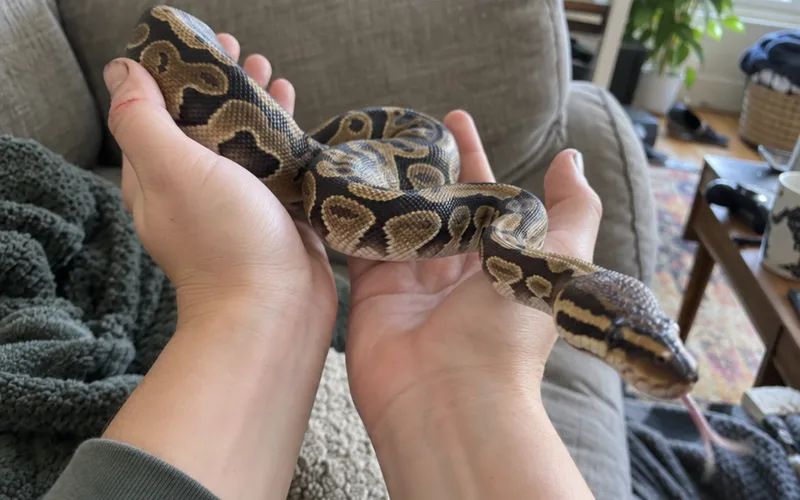
If you do get bitten, wash the wound with soap and warm water. Healthline also advises calling a doctor about any snake bite, even a small one, because bites can get infected.
Ball Python Morphs and Types to Know
Ball python morphs are color and pattern variations bred from the wild-type normal ball python, and every morph needs the same care. Learn how morph genes work, and which morphs keepers avoid, before you buy one.
These pages answer the questions buyers ask most:
- How morph genes work, in ball python morphs explained
- Which morphs carry known problems, in ball python morphs to avoid
- What sets apart the spider ball python, the woma ball python and the champagne ball python
- Popular morphs like the mojave ball python and ball python clown morph
- The rarest designer animals, in most expensive ball python morphs
The ball python lifespan guide covers what helps any morph reach old age, and the snake care section covers every common pet species.
Frequently Asked Questions
Is 72 too cold for a ball python?
Yes, 72°F is too cold for a ball python to sit at for long, because BeWild Reptile Rescue says to avoid the enclosure regularly dropping below 75°F. Add a ceramic heat emitter on a thermostat if your room runs that cool at night.
How often should you feed your ball python?
Feed a hatchling or juvenile ball python once every 7 days and a full-grown adult every 10-14 days, the schedule BeWild Reptile Rescue uses. Size each frozen-thawed rodent to the widest part of your snake’s body.
How long do ball pythons live in captivity?
Ball pythons live 20 years on average in captivity, according to the Animal Diversity Web species account. Steady heat, humidity and feeding give yours the best chance of reaching that age or beyond.
Do ball pythons like baths?
Ball pythons don’t need baths, but they do like a water bowl big enough to soak in. A warm, shallow soak is mainly useful for loosening stuck shed, and you should never pull off skin that won’t roll away.
Do ball pythons need a heat lamp at night?
No, a ball python doesn’t need a light at night, only heat that keeps the enclosure from regularly dropping below 75°F. Use a heat mat, radiant heat panel or ceramic heat emitter, and skip red bulbs, which reptiles can see.
Final Thoughts
Good ball python care means a locked enclosure, a measured warm side and humidity that keeps every shed in one piece.
This week, check both temperatures and your humidity against the care sheet numbers.