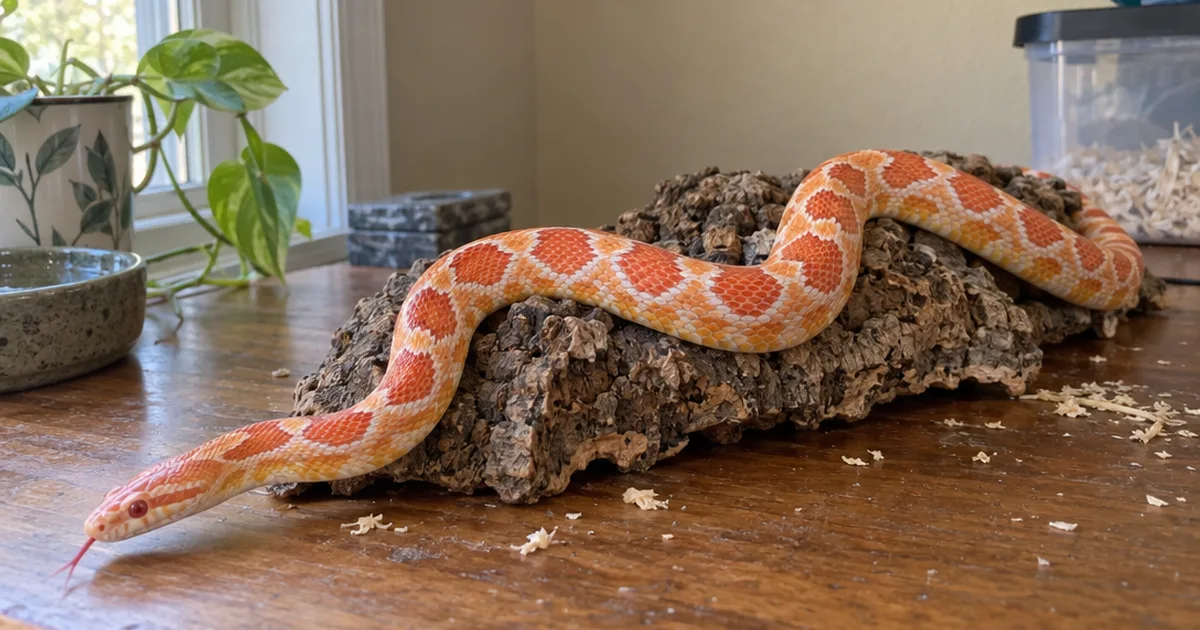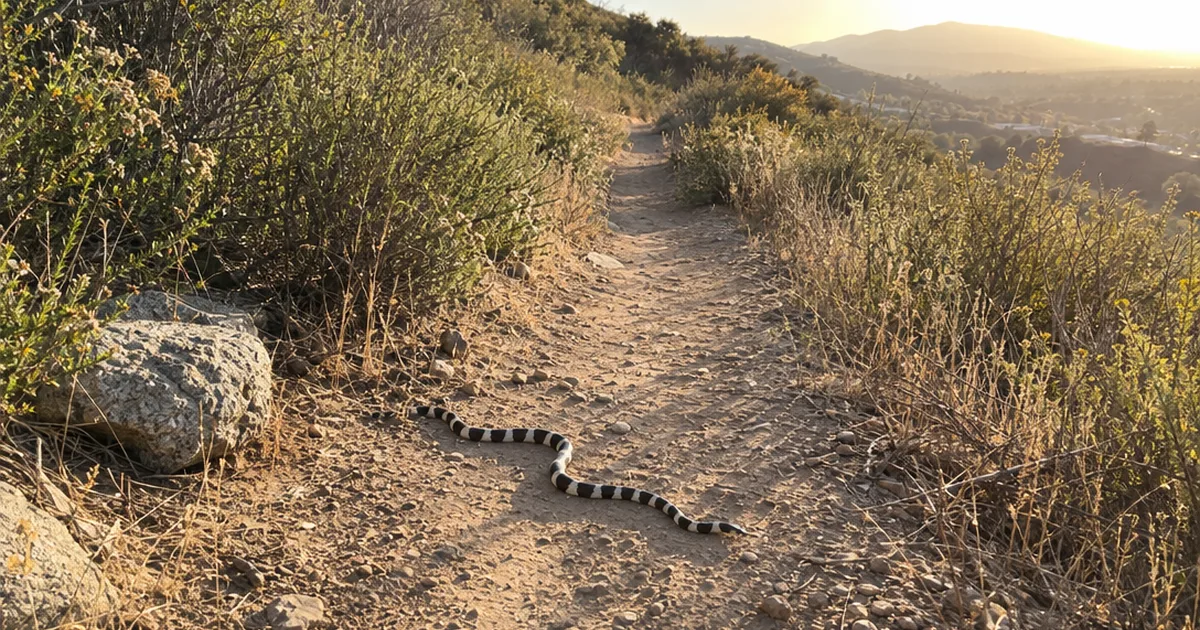
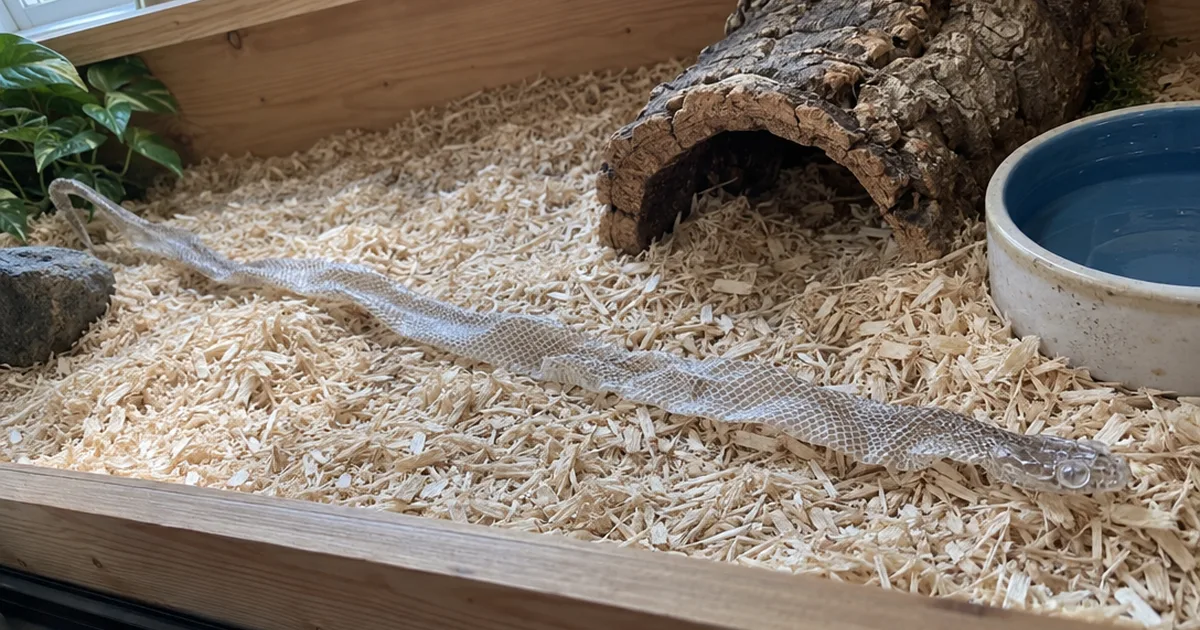
A snake can shed as often as once a month.
Most shed only a handful of times a year, though, the Forest Preserve District of Will County reported in 2020, citing Animal Planet.
So how often do snakes shed when they’re healthy? It depends on age, growth and two things you control: humidity and handling.
How Often Do Snakes Shed?
Most snakes shed their skin 4 to 12 times a year, Nature Alberta reported in April 2025, and younger snakes shed more often than adults because they’re still growing.
The process is called ecdysis, the regular shedding of a snake’s old outer skin.
Your snake’s normal is wherever it sits in that range, as long as each shed comes off clean.
Baby Snakes vs. Adult Snakes
Baby snakes shed the most, and the gap between sheds stretches as a snake grows. Serpentarium Wildlife Park Tasmania puts the usual gap at every 2 to 3 months in a Facebook post.
Adults also shed before reproduction and after giving birth, Nature Alberta notes.
Why Do Snakes Shed Their Skin?
Snakes shed because their skin doesn’t grow with them, so growth triggers most sheds. Old, worn skin gets replaced the same way.
Shedding also helps remove parasites that could harm the snake, the Iowa Department of Natural Resources says. That’s one reason a clean shed is a good sign for snake health.
Every reptile sheds, like most animals, but snakes are unusual because the skin comes off in one piece. If you also keep lizards or turtles, compare how other reptiles shed.
What Changes How Often a Snake Sheds
A snake’s shedding frequency depends on species, age, weather and temperature, nutrition and bacteria or parasites, according to the Forest Preserve District of Will County.
A well-fed young snake grows fast, and growth brings the next shed.
Skin trouble can speed things up too. Serpentarium Wildlife Park Tasmania says minor injuries, irritation or infection can bring on extra sheds, so check a sudden burst for mites and other parasites.
Ball Pythons, Corn Snakes and Other Pet Species
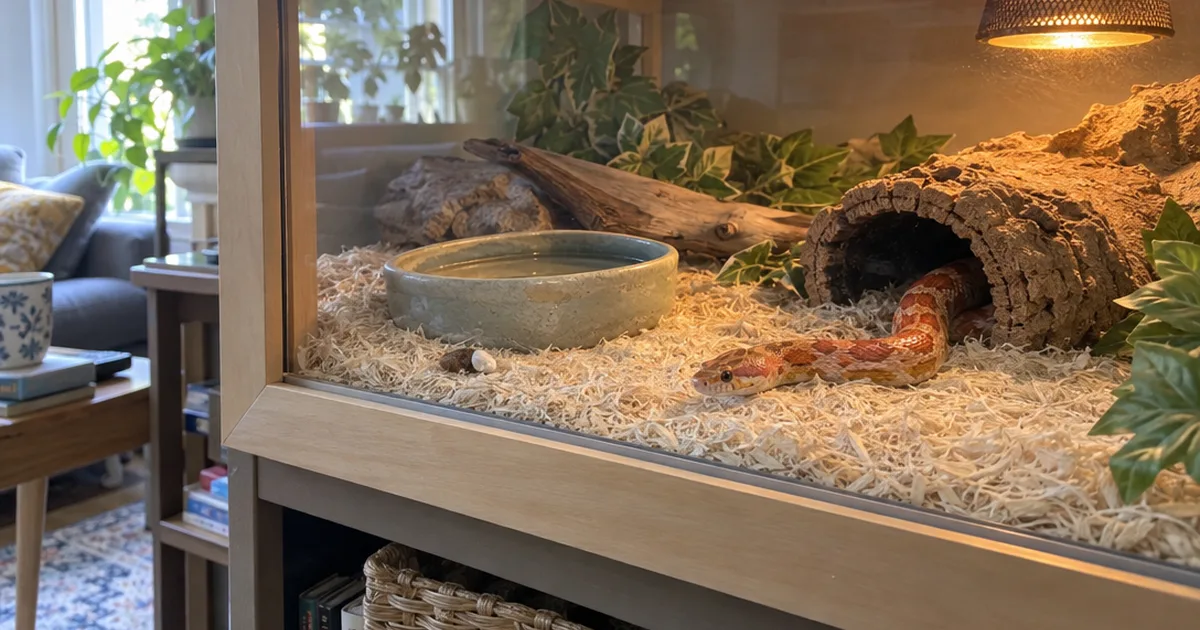
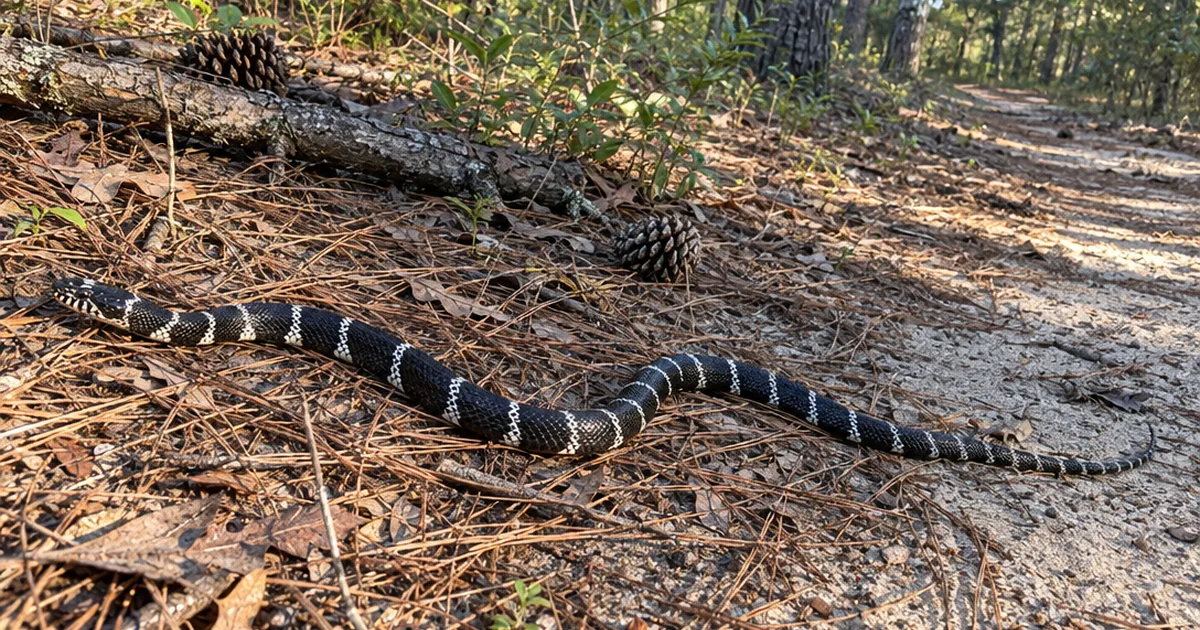
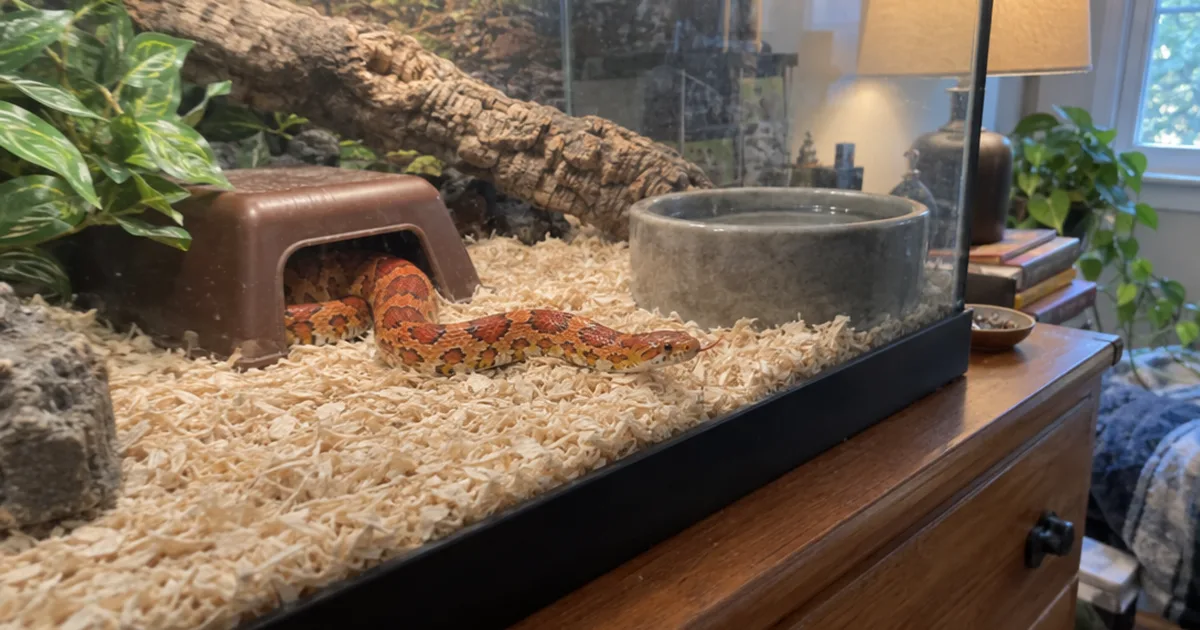
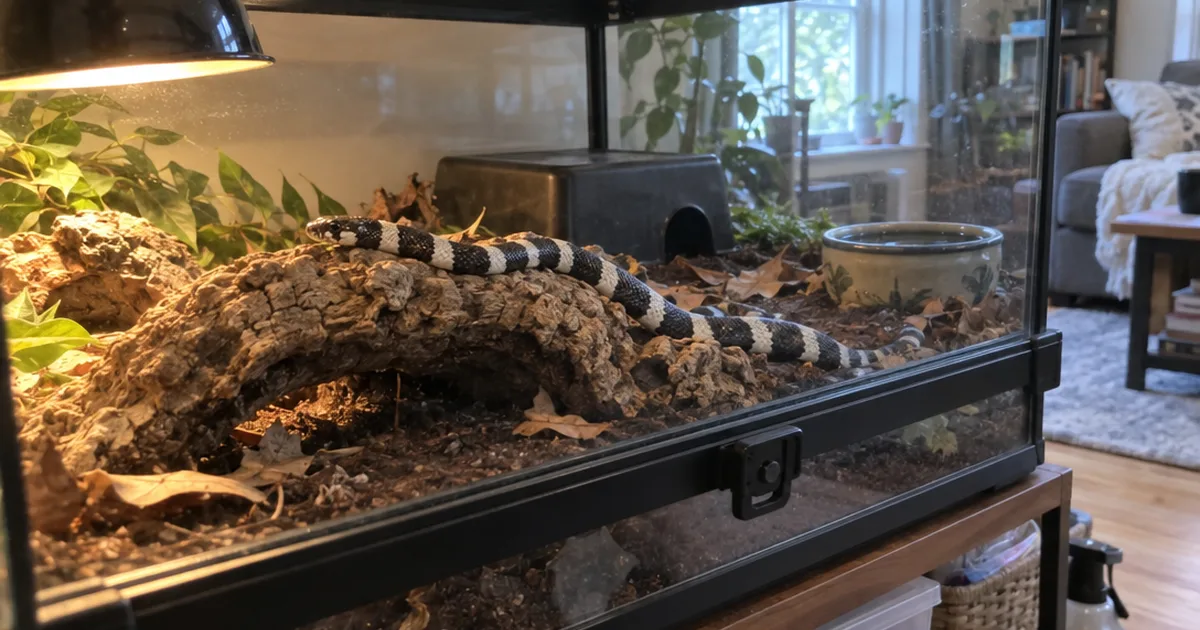
Ball pythons, corn snakes and king snakes follow the same rule: young snakes shed most and adults slow down. Published ranges are general, so your own snake’s records are the better guide.
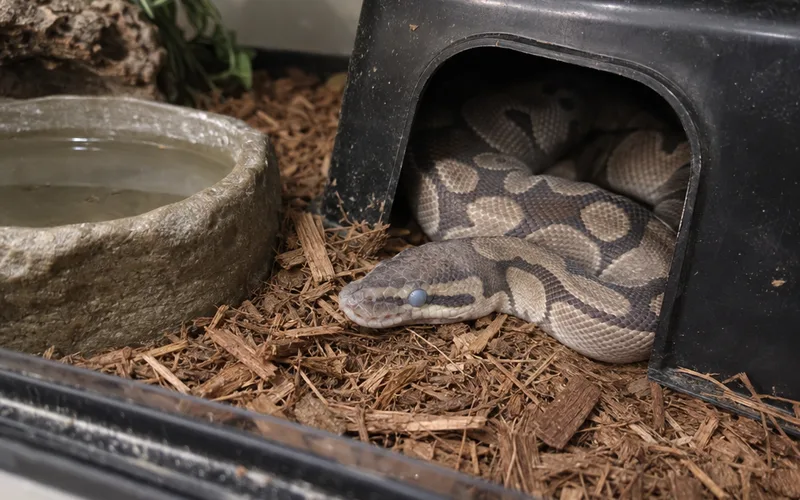
If you keep a ball python, see ball python shedding schedules. Corn snake keepers can start with corn snake care.
How Long Does It Take a Snake to Shed?
A normal snake shed usually takes about 7 to 14 days, according to PetPlace, from dull skin to the finished shed.
Here’s how it plays out:
- The skin turns dull and the eyes look milky or blue.
- The snake rubs its snout against a rock, branch or other hard surface.
- The old skin peels back from the head and comes off inside out.
How Long After Blue Do Snakes Shed?
A snake in blue is already inside PetPlace’s 7 to 14 day shed window, so the old skin should come off before that window closes. The cloudy look appears because new skin forms over the eyes, including the clear eye caps called spectacles.
If your snake stays blue well past 2 weeks with no shed, check humidity first.
Signs Your Snake Is About to Shed
A snake about to shed looks bluish with cloudy, opaque eyes, the Forest Preserve District of Will County says, citing Washington State University’s Ask Dr. Universe. Petful’s vet-reviewed list adds hiding and refusing food:
- Faded, dull colors
- Milky blue eyes
- More time hiding
- Skipped meals
Hiding makes sense for a snake that can’t see well enough to watch for predators. A skipped meal in blue is normal too, but a ball python not eating long after a shed is a different problem.
How to Help Your Snake Shed
Helping a snake shed means the right humidity, rough surfaces to rub on and no handling or pulling at loose skin. PetPlace warns that handling during a shed can cause dysecdysis, the medical term for abnormal shedding, and permanent skin damage.
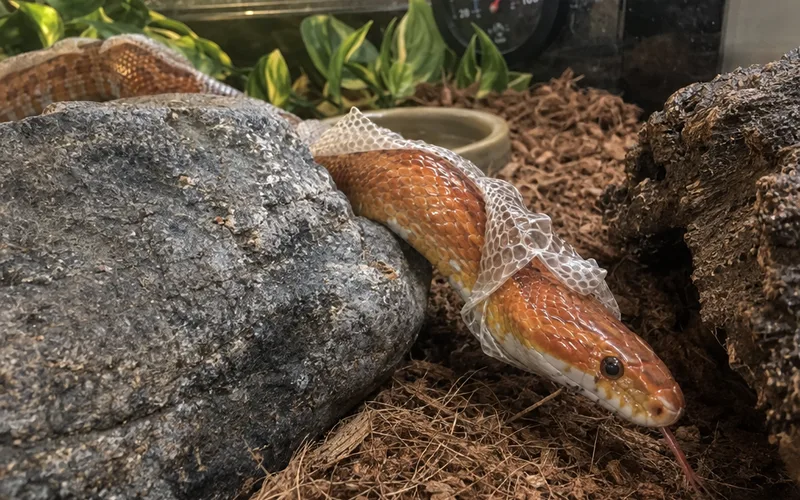
Most shedding problems are a result of dryness, says Petful’s vet-reviewed guide. Check levels with a hygrometer against your species’ range, like these ball python humidity targets.
Pro Tip: Add a rough rock or sturdy branch to an all-glass setup. PetPlace lists a lack of objects to rub against as a cause of bad sheds.
Stuck Shed: When to Call a Reptile Vet
A stuck shed needs a reptile vet when an eye cap stays on after soaking, skin is still stuck after a second or third shed, or bad sheds keep coming despite good humidity, going by PetPlace and Petful guidance.
Stuck shed, called dysecdysis, is a symptom of an underlying problem rather than a disease, PetPlace says. Retained eye caps can damage the eyes, and Petful notes that skin left on the tail can restrict blood flow.
Never pull attached skin. Soak the snake in shallow warm water instead, and never leave it alone in the water.
Once the cause is fixed, shedding usually returns to normal in 2 to 3 cycles, according to PetPlace.
Start a Shed Log This Week
Your snake’s own history beats any chart.
Write down the date its eyes go blue and the date the shed comes off. After a few sheds, a late, early or patchy one will stand out right away.
Frequently Asked Questions
What does snake skin look like?
A shed snake skin is one long, inside-out piece that still shows the scales and where the eyes were. The Forest Preserve District of Will County notes its banding patterns can sometimes identify the species.
Are snakes more aggressive when shedding?
Shedding snakes are more likely to hide than to pick a fight, because they can’t see well during the blue stage, the Forest Preserve District of Will County says. Leave a snake in blue alone until the shed is done.