In this guide, you’ll learn what keeping rat snakes as pets really involves: which species to pick, how to set one up and what to feed it.
Here’s the deal: these snakes are easy to feed and easy to handle. But they’re strong climbers, and a weak lid is all one needs to escape.
So the setup you build on day one matters most. Let’s dive right in.
Rat Snakes as Pets: Are They a Good Fit?
Yes, for most keepers. The Spruce Pets says the black rat snake is the rat snake you’ll most often see as a pet, right after the corn snake.
Why? Rat snakes are smaller and need less heat than many snakes, so they suit first-time owners and experienced keepers alike.
That’s why they belong on any shortlist of good first pet snakes.
The Pros
- Not venomous, and usually calm with regular handling
- Hardy, with little upkeep once the cage is set up
- Happy to eat frozen-thawed mice and rats
The Cons
- Adults reach 3 to 6 feet and need a big, tall enclosure
- Expert climbers that test every gap in the lid
- A 10- to 30-year commitment in captivity
Key takeaway: if you can commit to a secure, roomy enclosure for years, a rat snake is an easy snake to live with.
Which Rat Snake Should You Get?
For a first snake, the black rat snake or a close North American relative is the usual pick. That narrows things down, since “rat snake” is a group name and ReptMart’s listing alone shows about a dozen types.
North American Rat Snakes
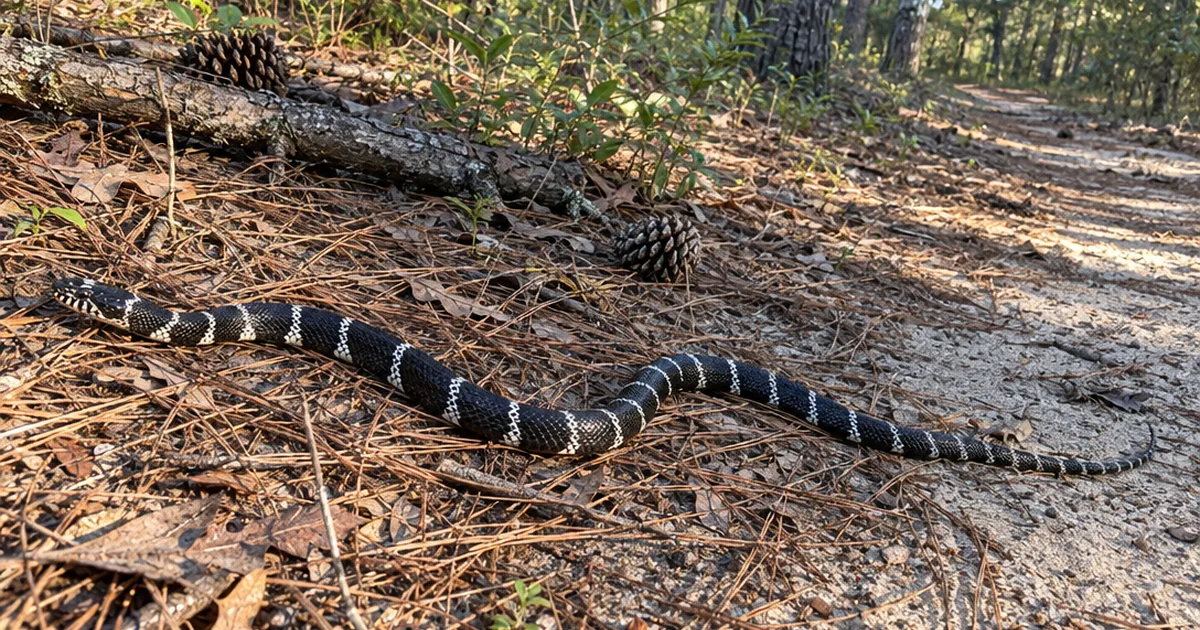
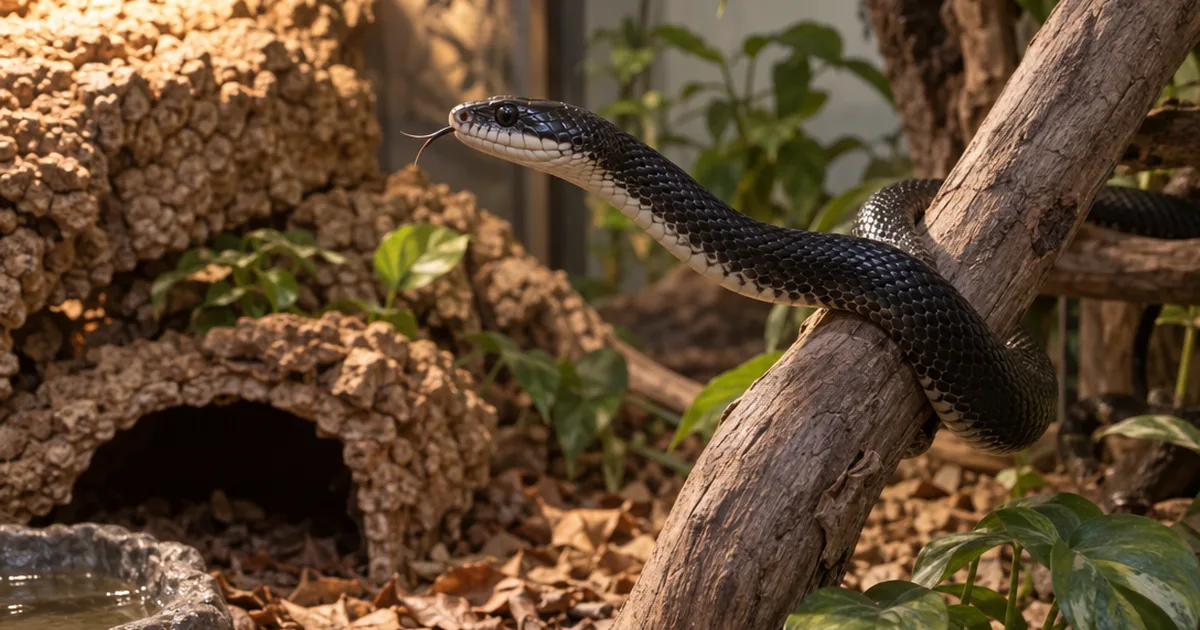
The black rat snake, Pantherophis obsoletus, is the classic choice. The Spruce Pets says it’s also called the western rat snake or pilot black snake, and it lives in central North America, where people sometimes mistake it for a rattlesnake.
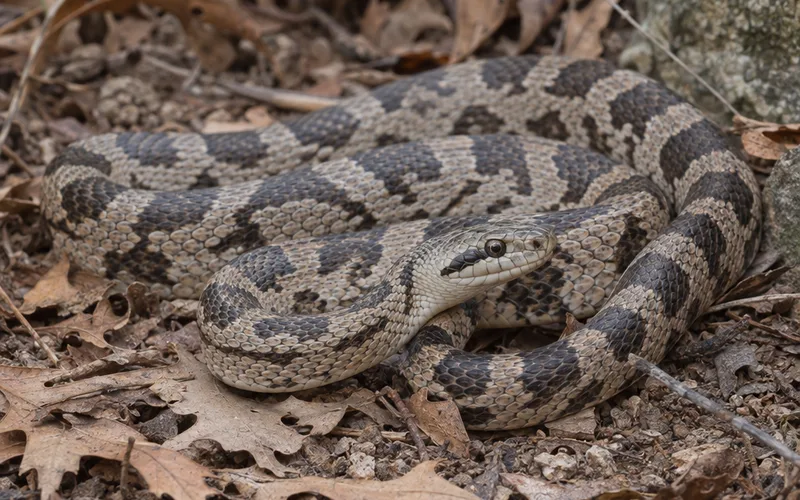
Close relatives you can buy include yellow, gray, Texas and Gulf Hammock rat snakes. Dubia describes the Texas rat snake as a 3.5- to 6-foot climber found mainly in Texas, Oklahoma and Louisiana.
Asian Rat Snakes
Russian rat snakes and king rat snakes show up in the same listing, sold as males only. The care figures below come from black and Texas rat snake care sheets, though.
So if you’re drawn to mandarin rat snakes or tiger rat snakes, read a species-specific guide before you buy.
How Much Does a Rat Snake Cost?
The snake itself is usually the cheap part: The Spruce Pets says breeders often charge around $50 to $100 for a black rat snake.
ReptMart’s prices run wider, from $29 for a yellow rat snake to $499 for an albino king rat snake.
Your bigger, ongoing spend is the enclosure, heat lamps, thermometers and frozen rodents. For example, Dubia’s App Store listing says its app sells frozen rodents and PVC enclosures alongside live feeders.
Rat Snake Enclosure Size and Setup
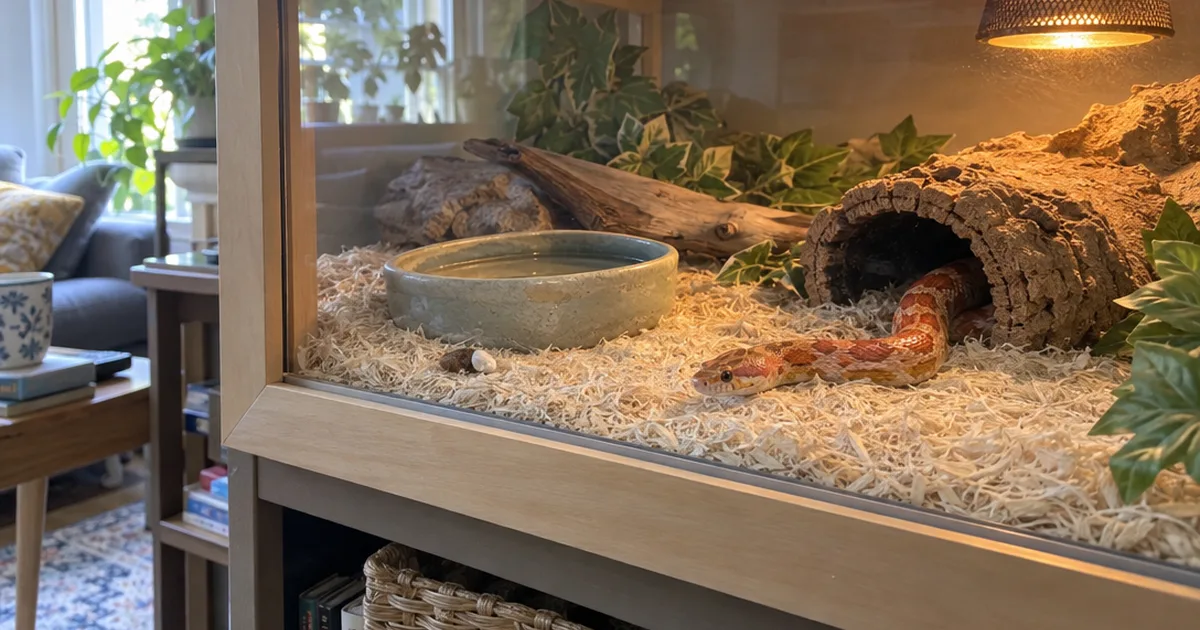
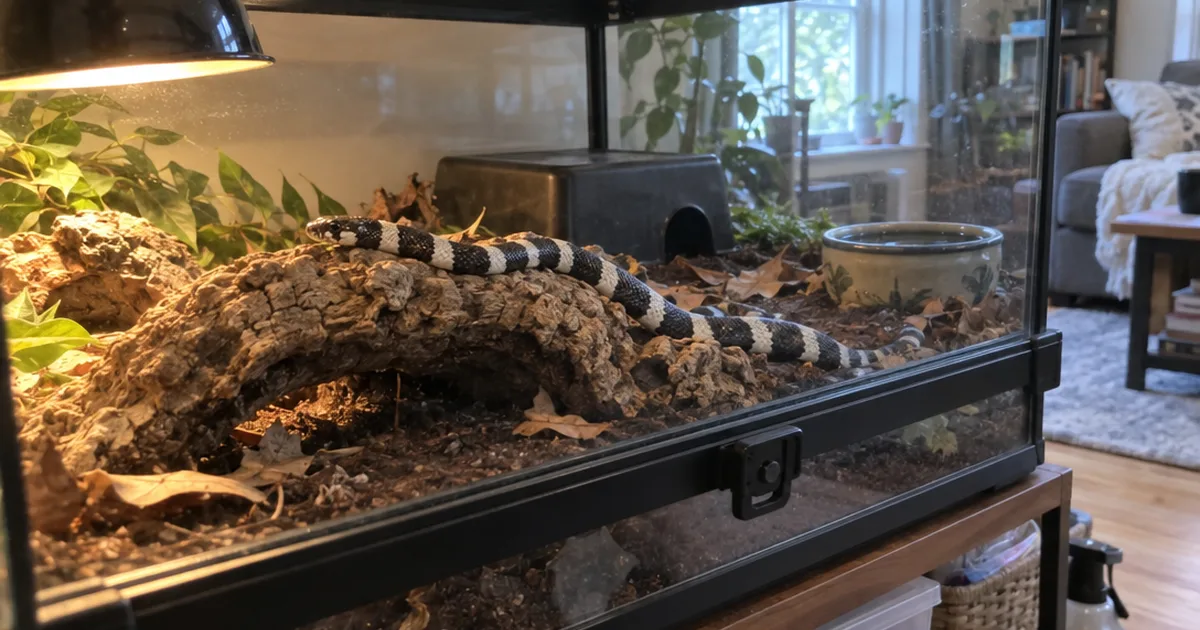
The usual snake care basics apply, with one twist: height. Rat snakes are good climbers, so a secure enclosure with a solid latch is key.
How big? Care sheets disagree:
- The Spruce Pets: a 30- to 40-gallon tank, with larger and taller being better
- Dubia: at least 48 x 24 x 24 inches for one Texas rat snake
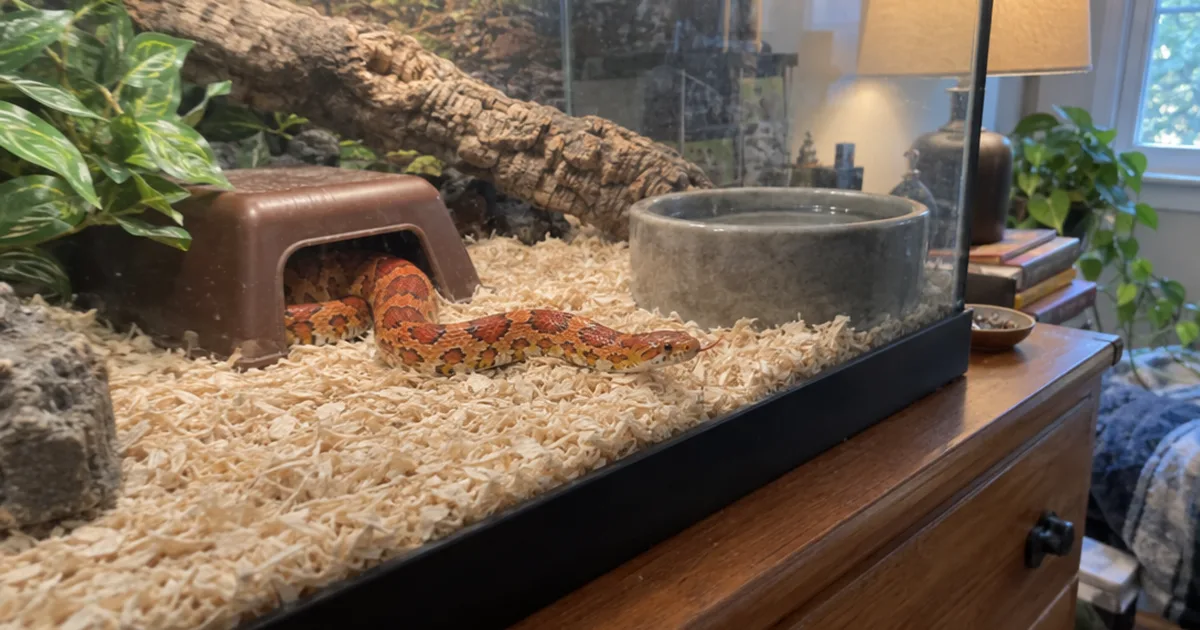
I recommend the bigger figure, since adults can reach 6 feet. Add two hides, a branch to climb and a water bowl big enough to soak in, and keep one snake per enclosure.
Heat and Lighting
Rat snakes like it cooler than many snakes do. The Spruce Pets suggests 80 to 85°F, with a night low of 70°F so your snake doesn’t start hibernating.
Dubia’s numbers are close: an 86°F basking spot and a 75°F cool side. Check both with digital probe thermometers, and skip hot rocks, because they can burn your snake.
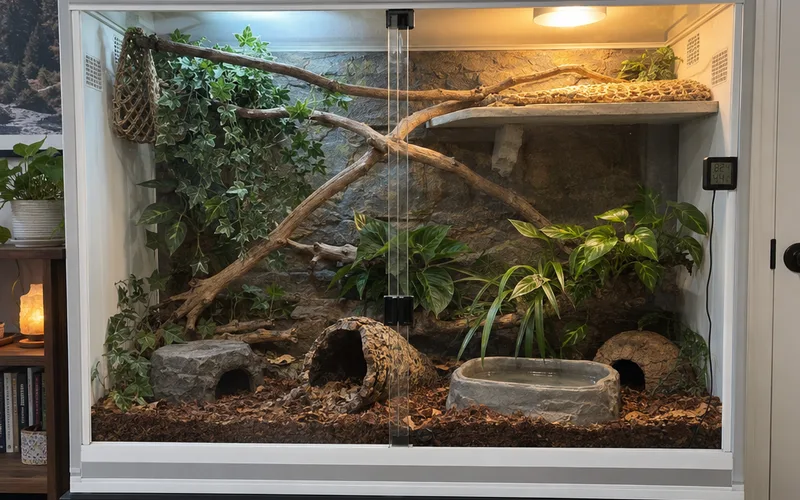
For heaters, The Spruce Pets prefers ceramic heat emitters and incandescent bulbs, while Dubia uses halogen flood bulbs.
What about ultraviolet (UVB) lighting? The Spruce Pets says black rat snakes don’t need it, but Dubia still recommends it for Texas rat snakes.
Humidity and Substrate
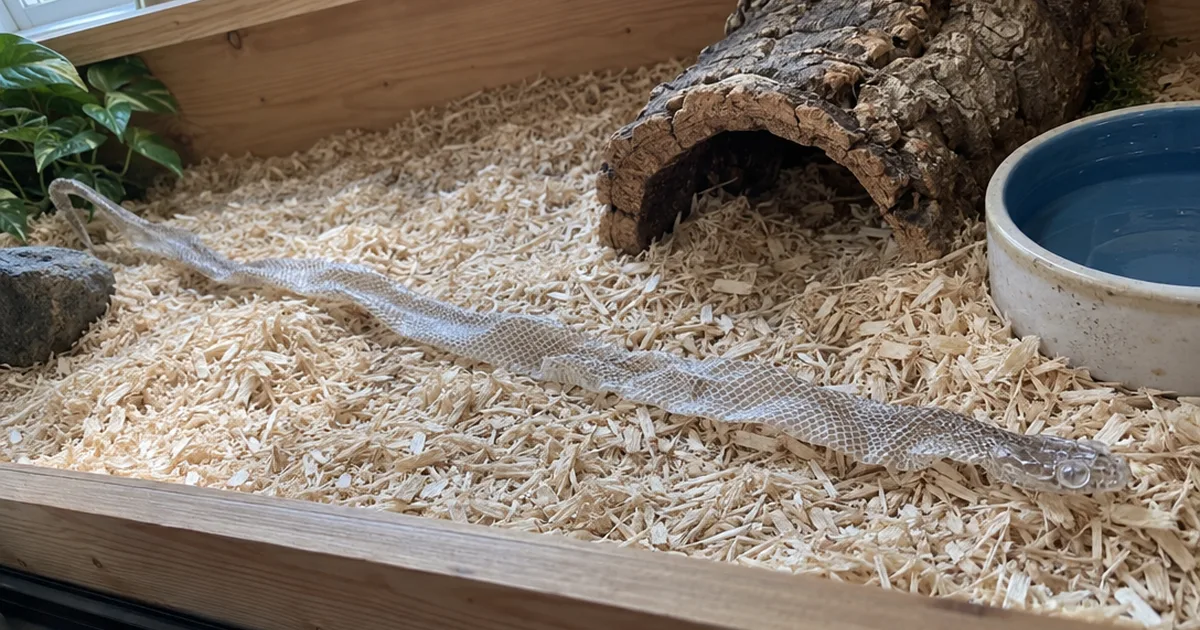
Aim for 35% to 60% humidity, a little higher during a shed. A humid hide with damp sphagnum moss raises humidity and helps your snake shed its skin properly.
For substrate, aspen shavings, pine bark chips or soil mixes hold humidity and give your snake room for burrowing, while newspaper is the cheap option. Avoid sand, which your snake can inhale, and cedar or pine shavings, whose strong smell irritates the airways.
What Do Rat Snakes Eat?
In captivity, rat snakes eat mice and rats, and pre-killed prey is the safe choice because live prey can bite and injure your snake. As constricting snakes, they squeeze their prey before eating it.
How often? Dubia’s care sheet gives this schedule:
- Hatchlings: every 5 to 7 days
- Juveniles: every 7 to 10 days
- Adults: every 10 to 14 days
Pick prey about 10% of your snake’s weight, or no wider than 1.5 times its widest point. And expect your snake to skip meals around a shed.
Pro Tip: Thaw frozen prey in a sealed bag of warm water to about 100°F. Then offer it with soft-tipped tongs.
Handling, Temperament and Bites
Rat snakes are shy and docile. They won’t be cuddly, but most learn to feel comfortable being handled.
Here’s the catch: a scared black rat snake may freeze, kink its body and vibrate its tail like a rattlesnake. The snake can also release a musky odor.
That’s mostly bluff, because rat snakes aren’t venomous and usually flee. Dubia notes that juveniles are jumpier, but a rat snake bite is unlikely to cause more than minor discomfort.
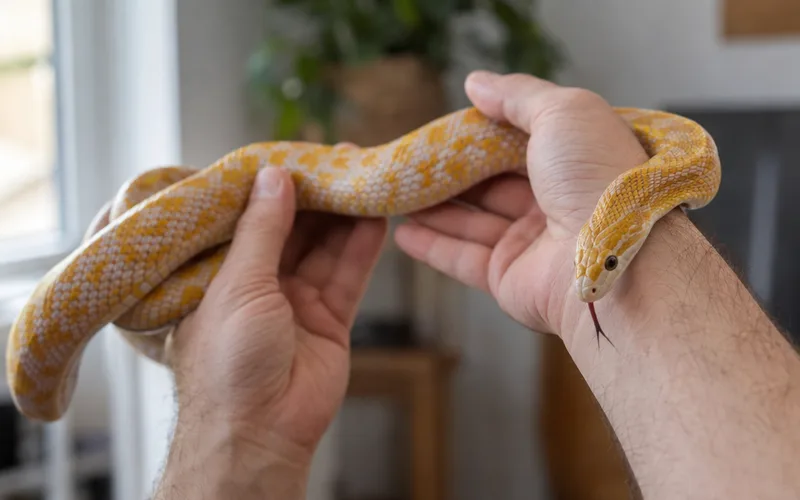
To pick one up, lift from the side or below, never from above. Support its body, and never lift it by the tail.
Health Problems to Watch For
Black rat snakes are prone to mouth rot, or infectious stomatitis, which shows up as saliva bubbles and inflammation around the mouth. They also get respiratory infections and fungal infections.
Watch for wheezing, open-mouth breathing or discolored skin. These and other common snake health problems need a reptile veterinarian.
Poor husbandry is a major cause of illness in captive snakes, so a clean, correct setup is your best prevention.
How to Choose a Healthy Rat Snake
Buy a captive-bred snake from a reputable breeder. Wild snakes may be illegal to keep, have no known health history and rarely thrive.
Wild rat snakes do turn up close to home, though. One Flickr user’s photo post describes what they believed was a juvenile Texas rat snake, about 18 to 20 inches long, on their back patio.
Before you buy, look for:
- Clear eyes, since cloudy eyes can signal illness
- No stuck shed, cuts or discolored skin, which can point to mites, ticks or injury
- An alert snake that flicks its tongue
Also check your local rules. ReptMart says some rat snake species are restricted in certain states, and it won’t ship them to DC, Alaska or Hawaii.
Similar Snakes Worth a Look
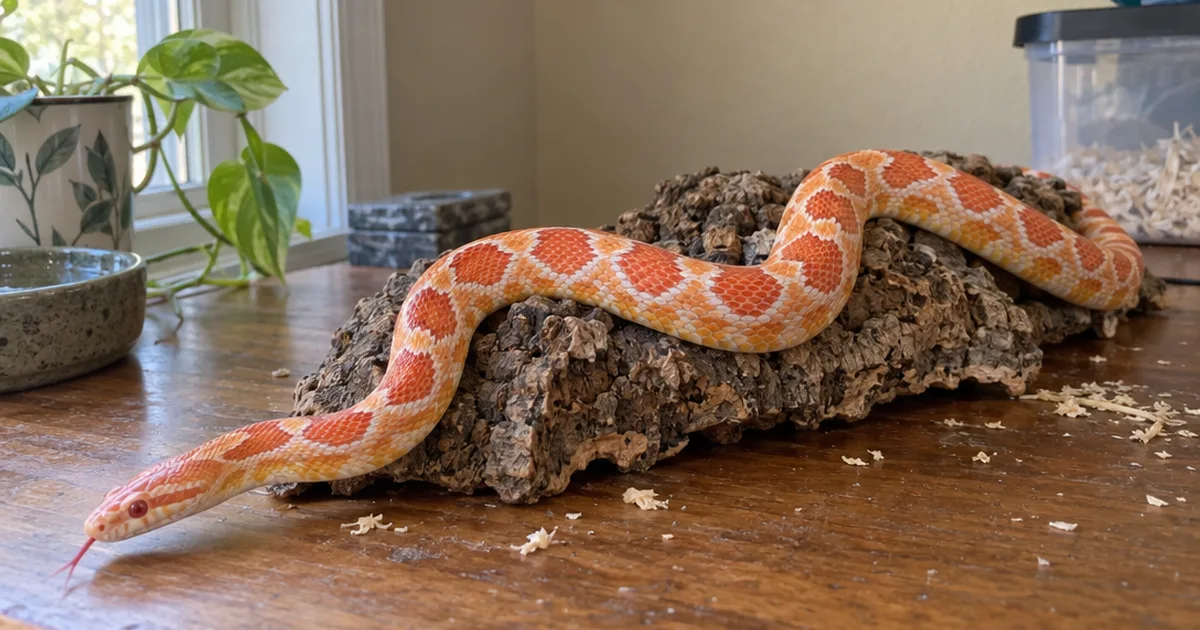
The Spruce Pets points to corn snakes, hognose snakes, and king and milk snakes as similar species.
The Bottom Line
Rat snakes are calm, hardy and simple to feed. That makes them a great pick for anyone ready to build a tall, escape-proof enclosure.
So which rat snake are you leaning toward?
Frequently Asked Questions
Do rat snakes like to be held?
Not the way a dog or cat does, but most rat snakes learn to tolerate handling, especially captive-bred ones.
Which snake is the friendliest as a pet?
The corn snake is the most commonly kept snake in this family, and The Spruce Pets says the black rat snake comes right after it. Temperament depends a lot on how often you handle your snake.
How long can I leave a rat in my snake's enclosure?
Don’t leave a live rat in there at all, because live prey can bite and injure a snake that isn’t ready to eat. Offer pre-killed or frozen-thawed prey instead.
How big do western rat snakes get?
Western rat snake is another name for the black rat snake, which grows 3 to 6 feet long. Plan the enclosure around the top of that range.