A bearded dragon is a long commitment. Bring one home as a hatchling today, and you could still be feeding it in the early 2040s.
In this guide, you’ll learn how long bearded dragons live, what each life stage looks like and how to help yours reach the top of the range. Let’s dive right in.
How Long Do Bearded Dragons Live?
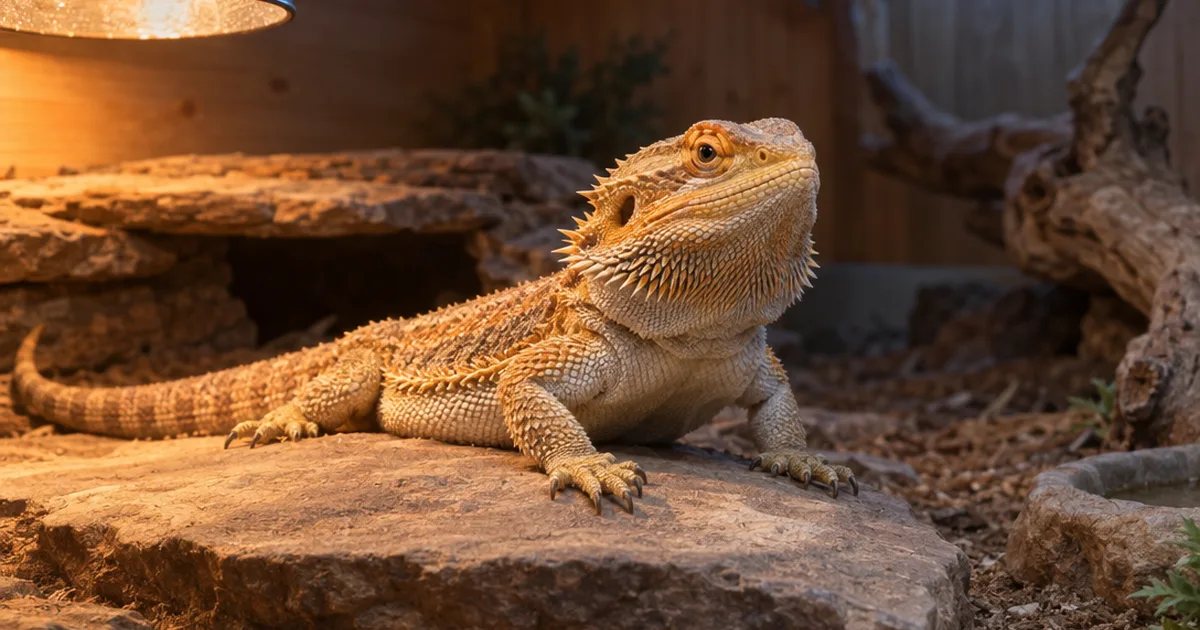
Most pet bearded dragons live 7 to 15 years. Wild ones usually manage 4 to 10.
Those figures come from two US veterinary hospital blogs, in Fort Myers, Florida, and Burleson, Texas, that rank for this question. A-Z Animals gives the same 7 to 15 year average, but it puts wild dragons at 7 to 10 years.
Why the spread? The same page says lifespan varies with where a dragon lives, how it’s cared for and how healthy it starts out.
These numbers describe the central bearded dragon, Pogona vitticeps. It’s the most common pet among the eight types of beardie in the genus Pogona.
Why Pet Bearded Dragons Outlive Wild Ones
Wild bearded dragons face predators and a shortage of water, according to A-Z Animals. They’re native to Australia, where they live in hot, dry deserts, savannas and scrub.
Pets skip both risks, which is why the bearded dragon lifespan in captivity runs longer. And since Australia banned exports in the 1960s, US pets come from breeders rather than the wild.
That steady supply of food, water and heat is the core of good lizard care. It’s also the part of bearded dragon care you control.
The Bearded Dragon Life Cycle, Stage by Stage
Most owners don’t know their dragon’s exact birthday. Luckily, length is the easiest clue to age, according to A-Z Animals.
Hatchlings
Bearded dragons hatch from eggs laid by their mother at about 3 inches long, then grow roughly 2 inches per month. They need much more protein than older dragons, so their diet leans heavily on insects.
Juveniles
A dragon counts as a young adult at roughly 8 to 9 inches. After its first birthday, shift its diet toward vegetables and plant matter, because it needs nutrients that insects can’t supply.
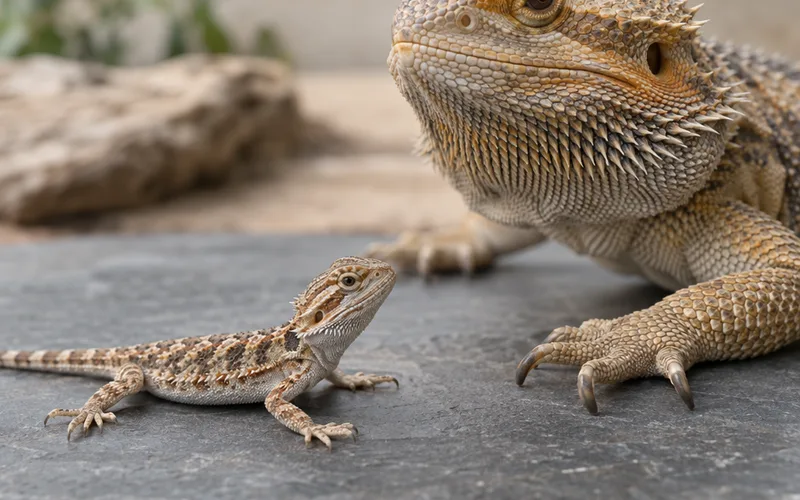
To estimate an age from length, compare yours against a typical bearded dragon size.
Adults
Dragons become adults at sexual maturity, usually around three years old. Most grow to 18 to 22 inches, according to the vet hospital blogs, and their diet now tips toward produce.
Seniors
A dragon counts as elderly past about seven or eight years, according to A-Z Animals. That’s normal for a pet, so focus on comfort and learn the signs a bearded dragon is dying to tell aging from illness.
The Record: Sebastian Lived 18 Years, 237 Days
So how long can bearded dragons live at the very top end? Longer than most owners expect.
Guinness World Records lists a UK dragon named Sebastian as the oldest bearded dragon ever. He was born on 1 June 1997 and died on 24 January 2016, at 18 years and 237 days.
Some vet hospital blogs say he lived over or nearly 19 years. The Guinness Book of World Records figure is 18 years, 237 days, which is still remarkable.
His owner, Lee-Anne Burgess of Middlesex, brought him home on Christmas Eve in 1997, says the Guinness record page.
Note: Sebastian is an outlier. Plan for 7 to 15 years, and treat anything past that as a bonus.
Do Male or Female Bearded Dragons Live Longer?
None of the ranking pages give a separate bearded dragon lifespan for males or females. So there’s no solid figure to plan around.
What the vet hospital blogs do describe is egg-laying. A female can lay up to 30 eggs per clutch, even when they aren’t fertilized, and she can store sperm to produce several clutches from one mating.
So if you keep a female, egg-laying is part of her care whether or not you breed her. Weigh the other female vs male differences if you’re choosing between the two.
5 Ways to Help Your Bearded Dragon Live Longer
These five habits target the risks that cut lives short.
1. Give It Heat and a Cool Retreat
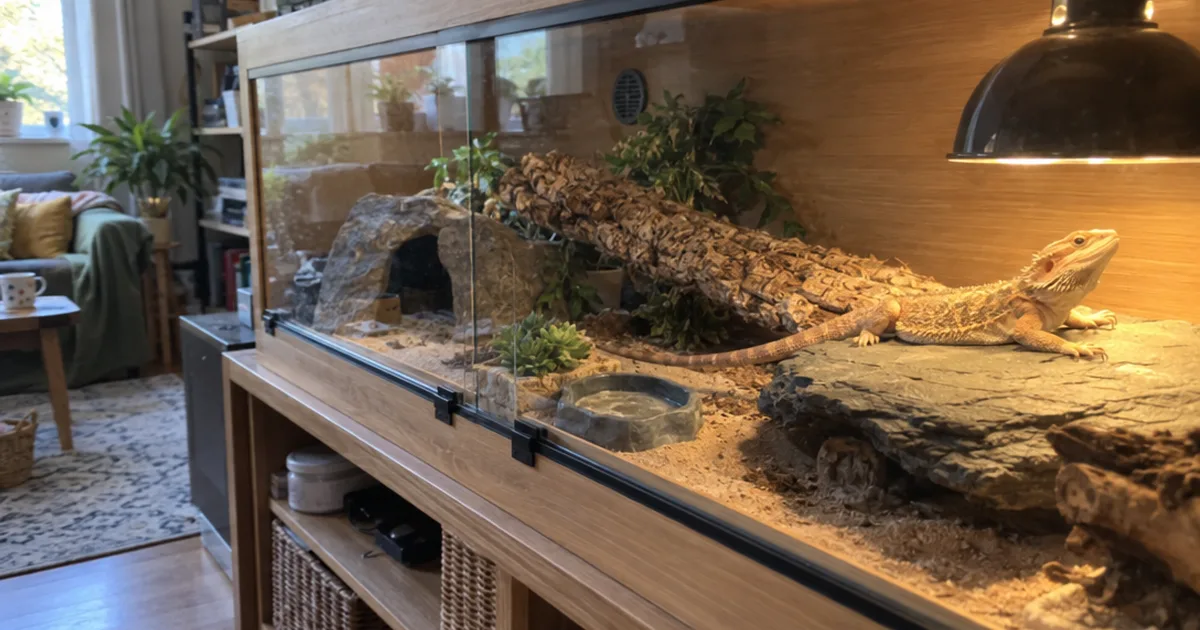
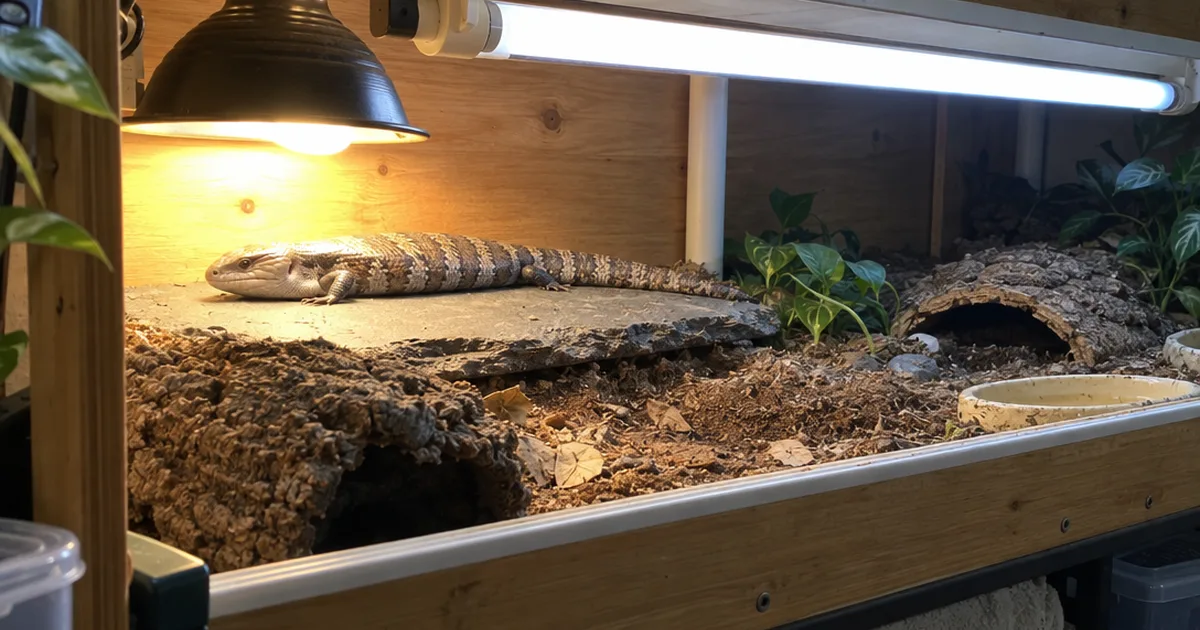
Set up a heat lamp plus a shaded, cooler spot. Your dragon is cold-blooded and controls its body temperature by moving between warm and cool areas, and it can overheat as easily as it gets cold.
2. Go Bigger on the Enclosure
A cramped, small enclosure can stress your lizard and shorten its life span, A-Z Animals warns. Work out the right tank size before you buy, since most people underestimate it.
3. Feed for Its Age
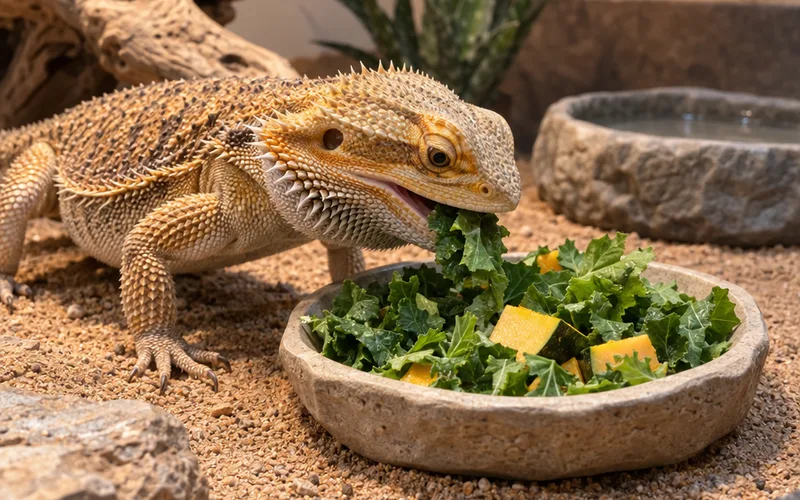
Offer more insects while it’s young and more vegetables as an adult. Build meals from safe fruits and vegetables, and rotate the best feeder insects.
How big is that shift? One vet hospital blog says a juvenile may eat 60 crickets a day, while an adult may only need what it can eat in about 15 minutes.
Some foods can kill outright. The vet hospital blogs say even half a firefly can kill an adult, because fireflies contain a toxic steroid called lucibufagins.
One blog also lists avocado, chocolate, onions and garlic as off-limits, plus wild-caught insects that may carry parasites. Keep a list of foods bearded dragons can’t eat nearby.
4. Keep Fresh Water Available
Always make sure your dragon has plenty of water. Before a trip, check how long it can go without water.
5. Catch Problems Early
Both vet hospital blogs point owners to the signs of illness and common diseases. Find a reptile vet before you need one, and learn what a healthy versus unhealthy dragon looks like.
The Bottom Line
So, how long does a bearded dragon live? Plan on 7 to 15 years with a pet.
Steady heat, space, the right diet and fresh water give yours the best shot at the top of that range.
Which habit will you check in your dragon’s setup first?
Frequently Asked Questions
Do bearded dragon bites hurt?
A bite usually causes only brief irritation around the bite site. Bearded dragons do produce a mild venom, but the vet hospital blogs say it’s ineffective against humans.
Do bearded dragons recognize owners?
Many seem to. Vet hospital blogs describe beardies as calm lizards that can become highly attached to their people, which is unusual for a reptile.
How can you tell if your bearded dragon is happy?
Watch its body language. A slow head bob may mean a calm dragon, while a fast bob can signal anger or dominance, and stiff spikes are a sign of stress.
What are some interesting facts about bearded dragons?
Bearded dragons can sprint up to 9 mph and even run on their hind legs. Keeping one is also illegal in Hawaii, where escaped pets could harm local wildlife.