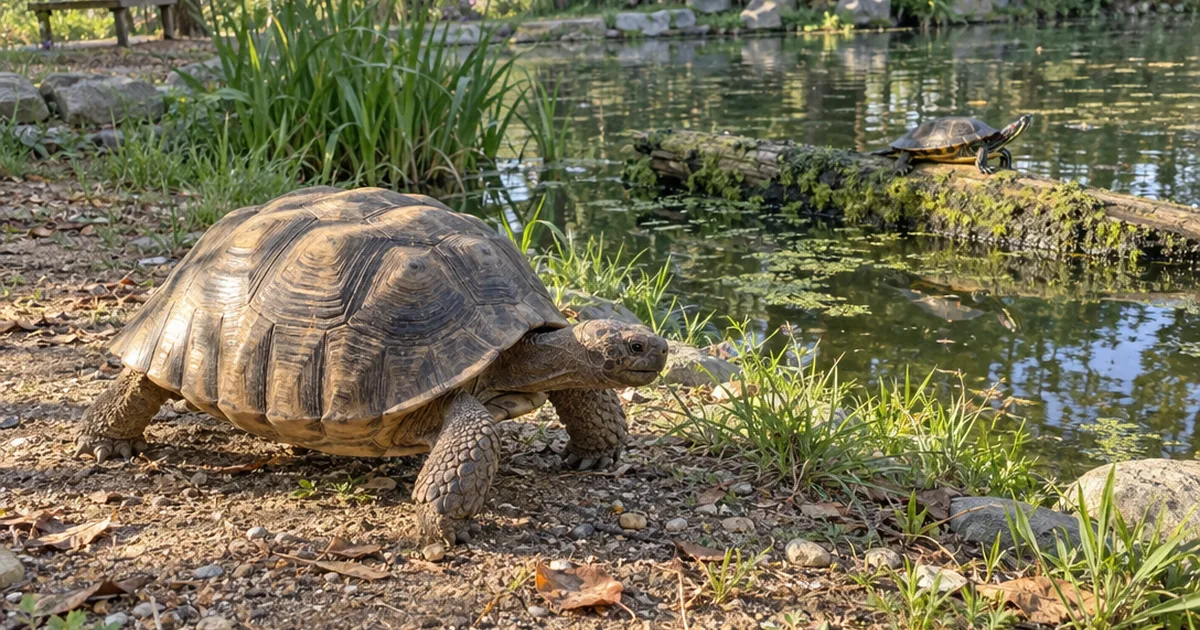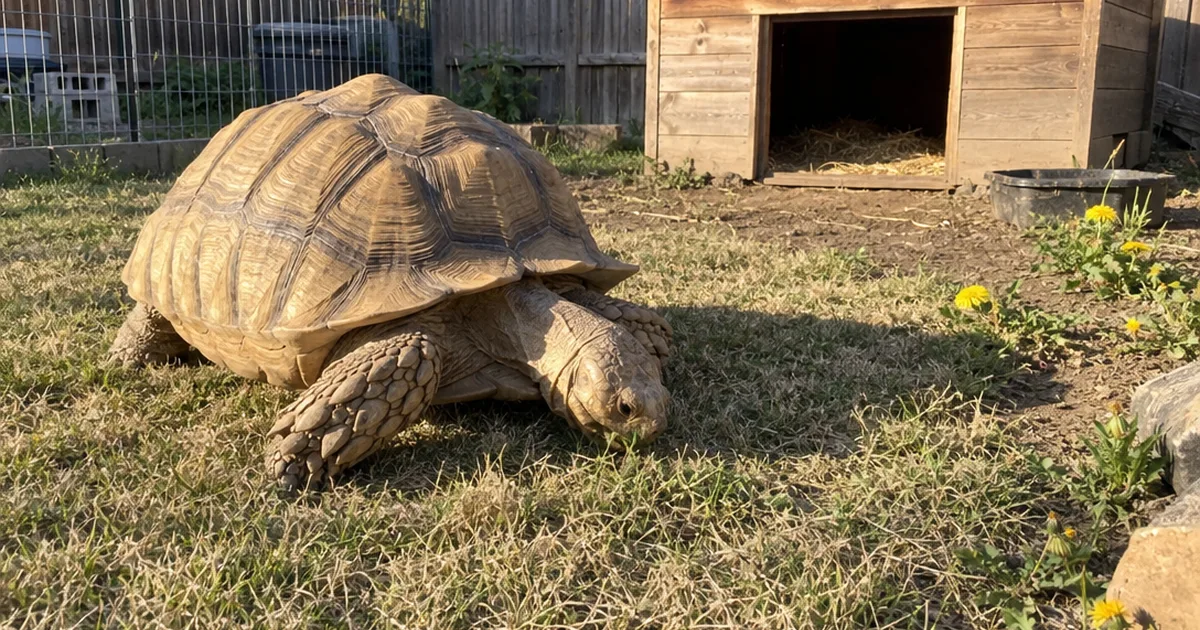
A sulcata that fits in your palm can top 100 pounds as an adult. That’s the adult size in a 2025 adoption guide from The Animal Foundation, which also gives a lifespan of 50 to 80+ years.
Sulcata tortoise care is really two jobs: raising a fast-growing hatchling indoors, then housing a giant outside. A young sulcata starts in an indoor pen of at least 24.5 square feet, but an adult needs about 300 square feet.
Think of the 10 steps below as a sulcata tortoise care sheet: each has the exact size, temperature or schedule to hit. Where good sources disagree, you’ll see both numbers.
How to Care for a Sulcata Tortoise Step by Step
Sulcata tortoise care takes 10 steps, starting with a pen of at least 24.5 square feet and a 95 to 105°F basking spot. Then add UVB, humidity, deep soil, a grass diet, calcium, soaks, an outdoor pen and a vet check.
Order matters here. The sulcata, also called the African spurred tortoise (Centrochelys sulcata, or Geochelone sulcata in older care sheets), grows faster than any other tortoise in its first 5 years, per Chicago Exotics Animal Hospital.
Step 1: Size the Enclosure to Your Tortoise’s Shell
Give a sulcata under 10 inches at least 7 x 3.5 feet of floor, or 24.5 square feet, per the ReptiFiles care sheet. Walls should be 2.5 feet high.
That minimum comes from a German Society for Herpetology formula: 8 times the shell length long and 4 times the shell length wide.
Here’s an example:
Say your sulcata measures 10 inches. Its pen should run 80 inches long and 40 inches wide, and it will need more as it grows.
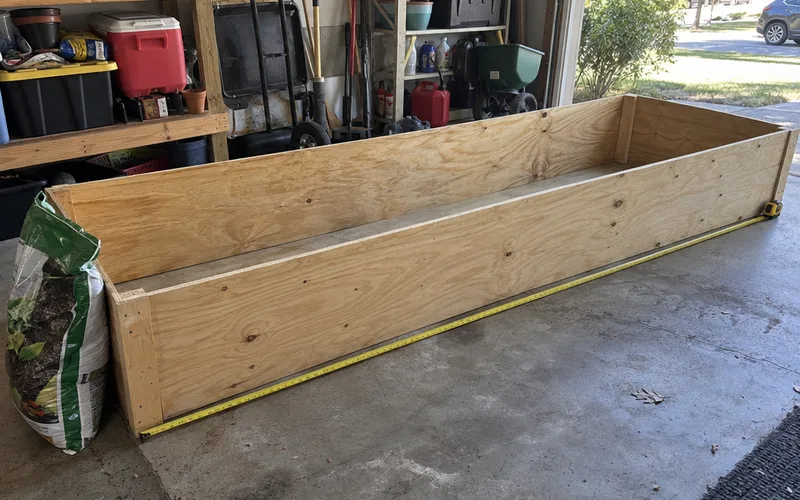
The Animal Foundation goes bigger for juveniles, asking for at least 8 x 4 feet, or 32 square feet, indoors.
Buy or build for the tortoise you’ll have next year, not the one in your hands today.
Adults need far more space. The same formula puts a sulcata over 10 inches in a pen of 20 x 10 feet, or 300 square feet.
That’s a backyard, not a room, once you factor in a sulcata’s adult size.
Once you know the floor size, pick a layout from these sulcata enclosure ideas that keeps that whole footprint open for walking.
Step 2: Heat a 95 to 105°F Basking Spot
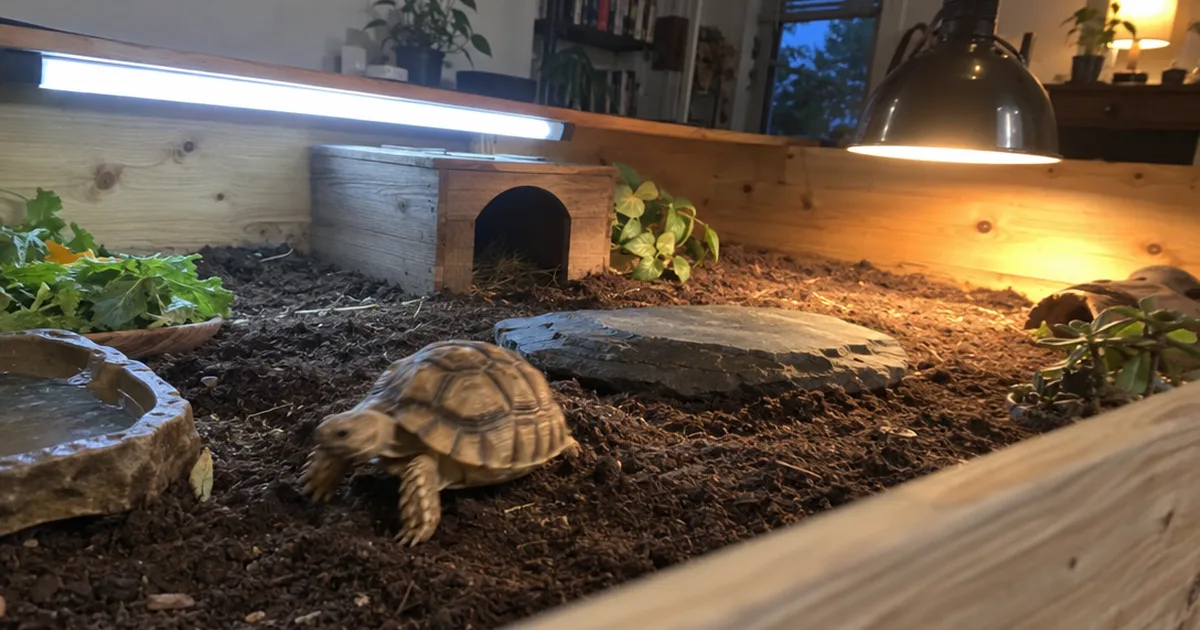
Heat one end of the pen to 95 to 105°F and keep the rest at 80 to 90°F, per the adoption guide. Never let it drop below 70°F.
The care sheet from Step 1 runs a bit hotter for young sulcatas: 100 to 105°F under the lamp and 70 to 75°F at night.
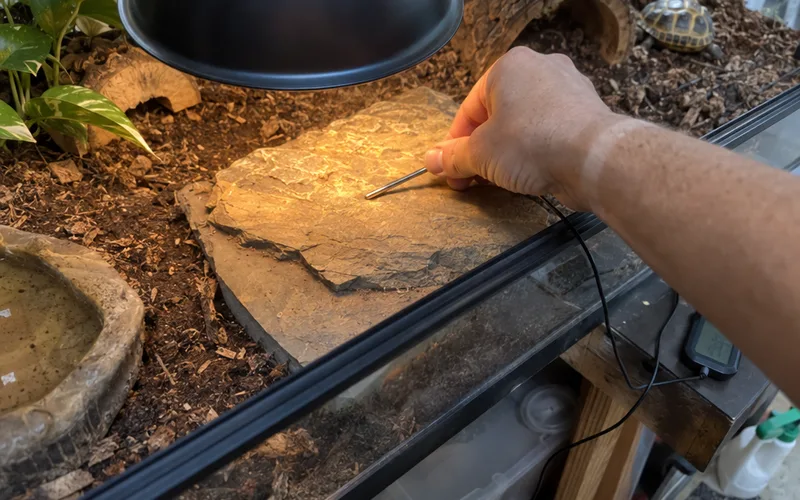
The vet hospital sets its night floor at 72°F. So a night range of 72 to 75°F satisfies all 3 sources at once.
Put one digital probe thermometer on the basking surface and a second at the cool end. Then change bulb wattage until both read in range for a few days in a row.
Step 3: Add Strong UVB Light
Give an indoor sulcata UVB light or sunlight for at least 8 hours a day, per Chicago Exotics Animal Hospital. Total light should run 10 to 14 hours.
That same Step 1 sheet ties the schedule to the seasons, with lights on 13 hours a day in summer and 11 in winter.
Hours aren’t the whole story, though.
Use a T5 HO tube, such as the Arcadia T5 HO Desert 12% or Zoo Med T5 HO ReptiSun 10.0. Mount it 9 to 12 inches above your tortoise through mesh, or 14 to 16 inches without.
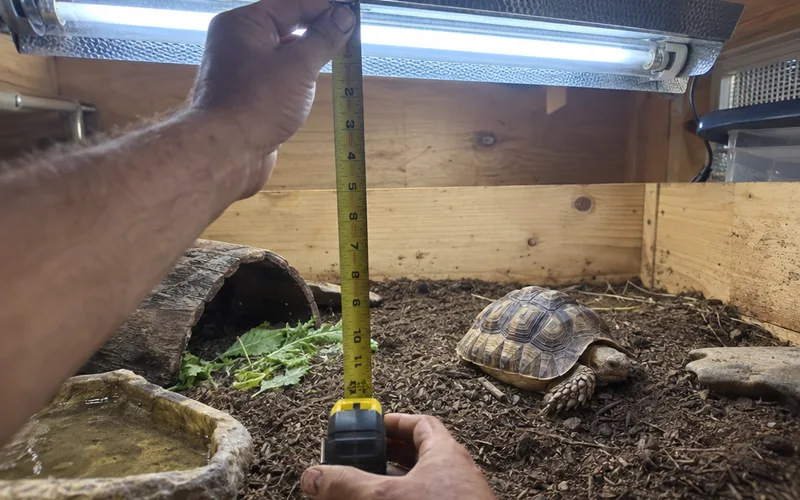
Then check it with a Solarmeter 6.5: ReptiFiles wants a UV index of 4.0 to 6.0 at the basking spot.
Outdoors, sunshine does this job for you, and the same care sheet says an outdoor sulcata needs no artificial lighting at all.
Step 4: Keep Young Sulcatas Humid
Keep a young sulcata above 80% humidity, and higher at night, says the husbandry sheet. Otherwise, chronic dehydration deforms its growing shell.
That deformity is tortoise shell pyramiding: raised, bumpy shell growth that the adoption guide links to poor diet or low humidity.
The adoption guide lists a lower 40 to 60% for juveniles, but pairs it with daily warm water soaks.
Both sources agree on one tool:
A hide box lined with damp moss or soil. ReptiFiles puts it on the cool end, so your tortoise can rest in moist air whenever it wants.
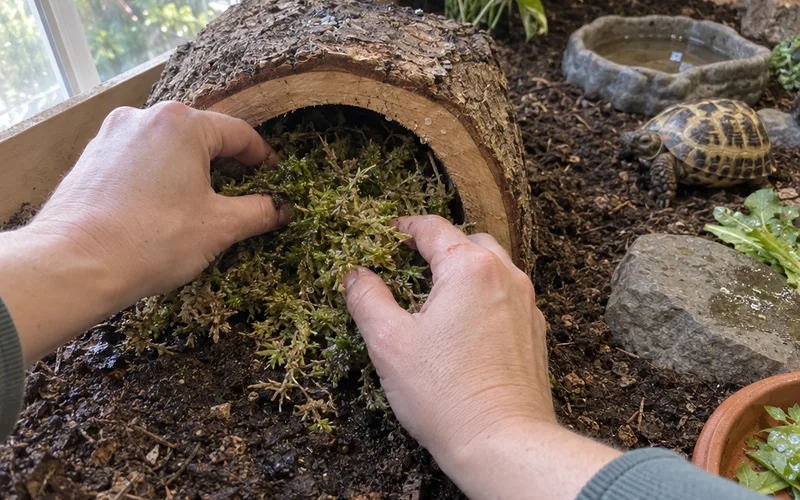
Adults are more resilient to drying out, the same sheet notes, so this step matters most in the first few years.
Step 5: Lay 6 Inches of Diggable Substrate
Fill the pen with 60% organic topsoil and 40% play sand, per ReptiFiles. Make it at least 6 inches deep for juveniles and 24 inches for adults.
That depth lets your sulcata dig, which it’s built to do. In fact, Chicago Exotics Animal Hospital notes that its tunnels can reach 25 times the length of its shell.
Skip rabbit pellets, even though pet stores sell them for hatchlings. The same hospital says they have been found to cause deformities in these fast growers.
A female carrying eggs may also need a dig box of dirt and sand to lay them in, the hospital adds.
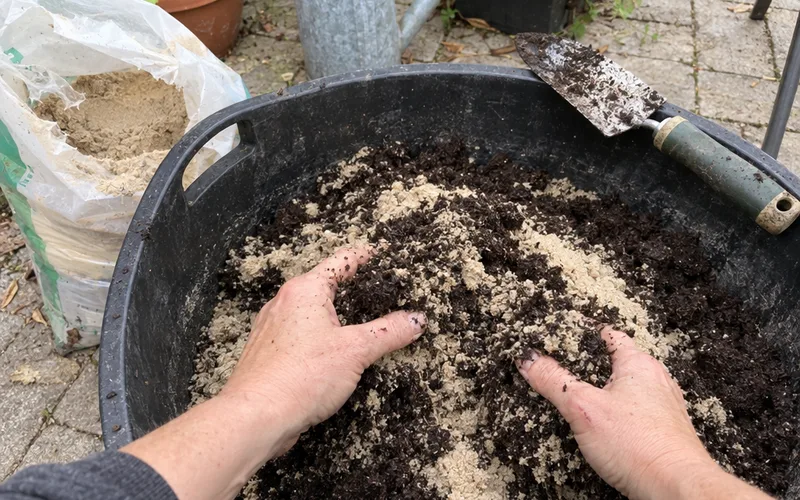
Scoop feces and urates every day, as the same sheet advises, and swap out any soiled patches. Coconut fiber, play sand and cypress mulch also make good diggable layers.
Then add rocks, tree trunks and roots, which the vet hospital says create obstacles and mental stimulation, a simple form of environmental enrichment.
Step 6: Feed Mostly Grass and Hay
Make 75 to 80% of your sulcata’s diet high-fiber grass and hay, per Chicago Exotics Animal Hospital, with vegetables such as dark leafy greens and cactus pads making up around 20 to 25%.
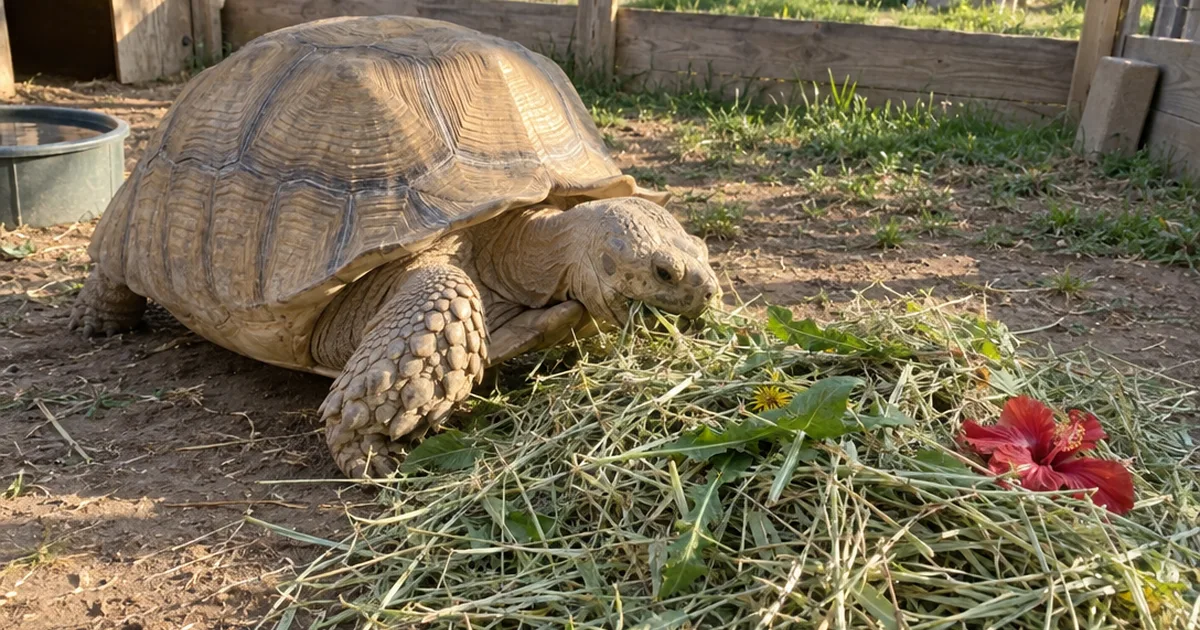
These herbivorous grazers do best on grasses and hays such as timothy hay, orchard grass and Bermuda grass, and the adoption guide adds edible weeds and flowers such as hibiscus, clover and dandelion.
Why so much fiber? Too little of it leads to metabolic bone disease and diarrhea and leaves sulcatas open to parasites, the hospital says.
The adoption guide’s avoid list is short: fruit, animal protein, spinach and kale. And never offer bread, cookies, oats, pasta, rice or cat and dog food, which the hospital warns against by name.
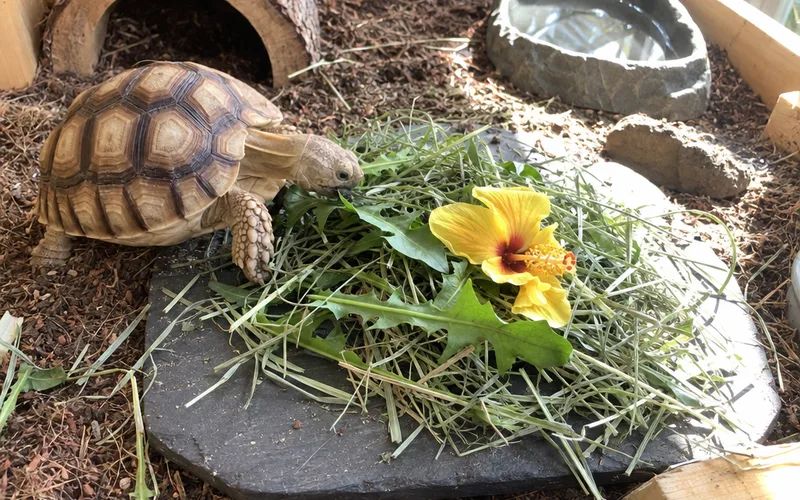
Food too high in fat and protein causes accelerated growth and shell deformities, the same care sheet adds.
Key Takeaway: If grass and hay aren’t the bulk of every meal, fix that first, then use this sulcata food list for portions and extras.
Step 7: Dust Food With Calcium
Dust a juvenile sulcata’s food with calcium 4 times a week, per Chicago Exotics Animal Hospital. Add a vitamin-mineral powder once a week, and cut calcium to twice a week for adults.
Use a calcium powder without phosphorus, which the same sheet asks for.
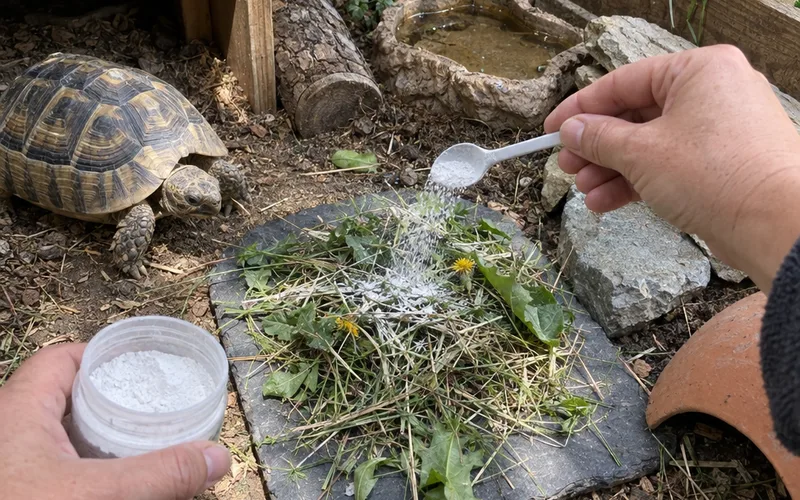
With or without D3? The sources split on it.
The Animal Foundation recommends calcium with D3 twice a week plus a weekly reptile multivitamin, while the hospital’s sheet doesn’t mention D3. So ask your reptile vet which powder fits your tortoise’s UVB setup before you buy.
Step 8: Soak Hatchlings and Set Out Fresh Water
Soak a hatchling sulcata every day for 20 to 30 minutes in shallow 85 to 95°F water no deeper than its elbows, per the Step 1 care sheet.
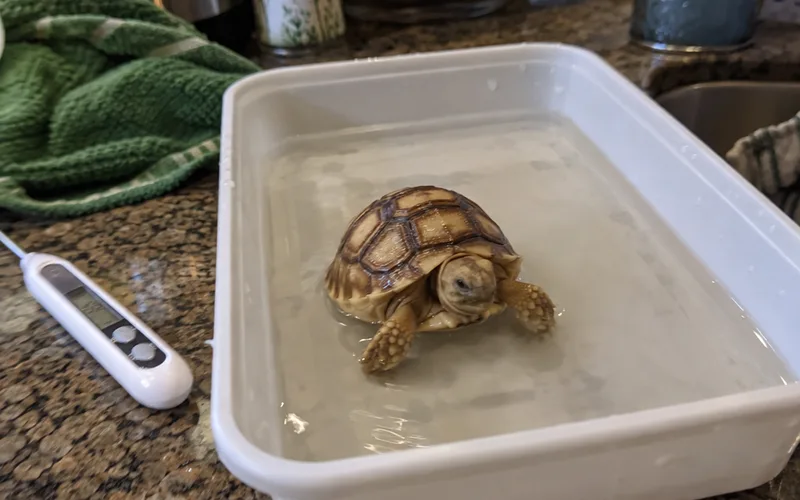
Older sulcatas need less, and the vet hospital recommends soaking weekly.
Between soaks, set a fresh, shallow drinking dish in the pen every day, as the adoption guide advises.
Pro Tip: A wide plant saucer works as a shallow dish your tortoise can walk straight into.
Step 9: Move Adults Outdoors With a Heated Shelter
An adult sulcata can live outside year round only where it stays warm. The husbandry sheet calls for a heated shelter, with heat that gives off no light, when nights dip below 50°F.
The vet hospital goes further: bring the tortoise inside if temperatures stay below 60°F.
Give it a yard of at least 20 x 30 feet, the adoption guide says, with predator-proof fencing sunk 12 inches underground and a heated shed for cold or wet weather.
The hospital asks for even more depth: a fence 12 to 24 inches into the ground and 18 to 24 inches tall.
Why so strict? Escape attempts never cease, the hospital warns, and sulcatas will climb wire mesh fences or tunnel under them.
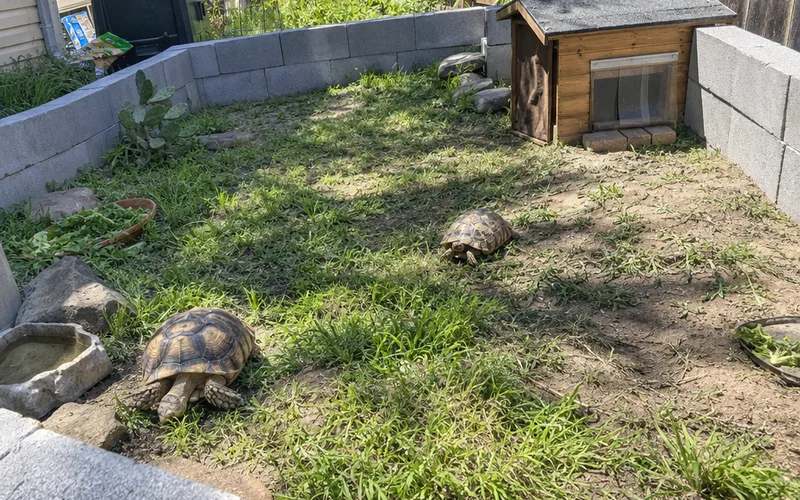
Sink the walls first and move the tortoise out second. Concrete cinder blocks work well for those walls, per the Step 1 care sheet.
When you’re ready, follow these steps to build an outdoor tortoise enclosure with a heated house inside it.
Step 10: Book a Reptile Vet Check
Book a fecal test and physical exam with a reptile veterinarian soon after your sulcata comes home, as The Animal Foundation recommends.
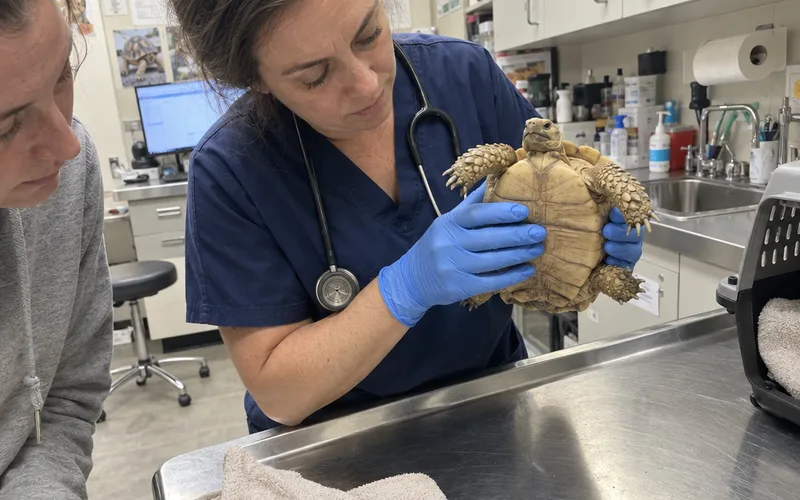
Then watch for the warning signs the same guide lists:
- Runny nose or puffy eyes, which can mean respiratory illness
- Poor appetite or lethargy
- A soft or peeling shell
- Pyramiding
Find that vet before you need one, the guide adds, because emergency care for tortoises can be harder to find than for dogs or cats.
Note: Any of those signs is a reason to get veterinary care, and this list of tortoise health problems helps you describe what you’re seeing.
Why Sulcatas Need Heat, Humidity and Room to Dig
Sulcatas need heat, humid hides and deep soil because their native habitat is the southern edge of the Sahara in Africa. There they dig large burrows to escape the heat and dry season, the Chicago vet hospital explains.
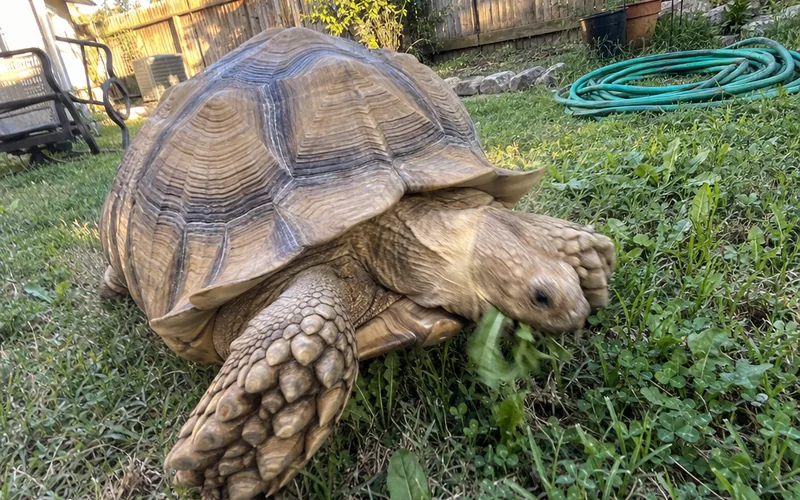
That burrow is the key to the humidity question. Babies hatch during the rainy season and spend much of their time in burrows, which hold far more moisture than the open air, says the Step 1 care sheet.
So a dry tank with a heat lamp copies only half of a young sulcata’s world.
In other words, the humid hide in Step 4 and the deep substrate in Step 5 stand in for the burrow your tortoise would dig in the wild.
Are Sulcata Tortoises Easy to Care For?
Sulcata tortoises are not easy pets for most beginners. They pass 100 pounds, need about 300 square feet as adults and can live 50 to 80+ years, per The Animal Foundation and ReptiFiles.
The adoption guide warns they will outlive many family members and outgrow small yards. Some get surrendered because adopters underestimate their needs.
They aren’t hard to find, though. Sulcatas were first imported into the United States in 1980 and have become a prolific captive breeding species, says the Chicago vet hospital.
So sulcata tortoise care for beginners starts with 2 checks before you buy: the sulcata tortoise lifespan and your yard size. If either doesn’t fit, start with the best pet tortoise for beginners or browse turtle and tortoise care for a smaller species.
Frequently Asked Questions
How long do sulcata tortoises live?
Sulcata tortoises live 50 to 80+ years, according to a 2025 care guide from The Animal Foundation, while Chicago Exotics Animal Hospital puts most sulcatas in captivity at 30 to 50 years. Plan for the longer number, including who will care for your tortoise if you can’t.
How do you care for a baby sulcata tortoise?
A baby sulcata tortoise needs an indoor pen of at least 24.5 square feet, a 100 to 105°F basking spot, humidity above 80% and a 20 to 30 minute warm soak every day, per ReptiFiles. Add calcium 4 times a week, as Chicago Exotics Animal Hospital advises, and a vet check soon after it comes home.
Can a sulcata tortoise live on a tortoise table?
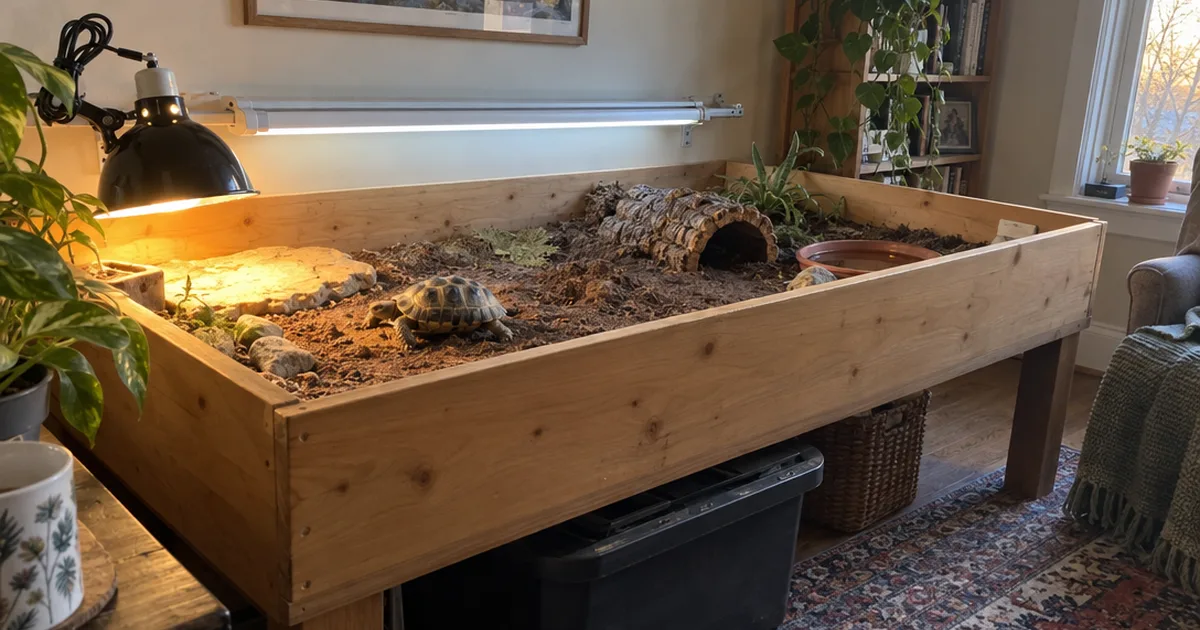
A sulcata tortoise does poorly on an open tortoise table, because ReptiFiles says the open design makes it very difficult to hold the heat and humidity young sulcatas need. Choose an enclosed pen with solid sides instead.
How fast do sulcata tortoises grow?
Sulcata tortoises grow faster than any other tortoise, especially in their first 5 years, according to Chicago Exotics Animal Hospital. In optimal climates one can reach 100 pounds within 15 years, so size its enclosure ahead of its growth.
Final Thoughts
Sulcata tortoise care comes down to space, heat and fiber: 24.5 square feet for a juvenile, a 95 to 105°F basking spot, strong UVB and a diet that is 75 to 80% grass and hay.
Before you bring one home, measure the outdoor space you can give it as an adult. If it’s under 300 square feet, choose a smaller tortoise.