About 360 living species answer to one everyday name, turtle. That count comes from the Wisconsin Herpetological Association.
So the tortoise vs turtle vs terrapin question is really about which ones earn the other 2 names. The answer turns on the shell, the feet, the water and even your country.
Here’s how to tell which one you’re looking at in under a minute. The feet are the hardest trait to fake, so they’re the first thing to check.
Are Tortoises and Terrapins Turtles?
Yes, tortoises and terrapins are both turtles, because the American Society of Ichthyologists and Herpetologists uses “turtle” for every member of the order Testudines.
The Wisconsin group reports that rule, and it saves “tortoise” for the slow, land-living members of one family.
So turtle is the family name, and tortoise and terrapin name certain branches.
All 3 are typical reptiles too: cold-blooded and scaly, and they lay eggs on land, Africa Geographic notes.
That’s why good turtle and tortoise care starts with one question: which species do you have? If you’re weighing one up as a pet, our guide to turtles as pets is the place to start.
What Makes a Tortoise a Tortoise?
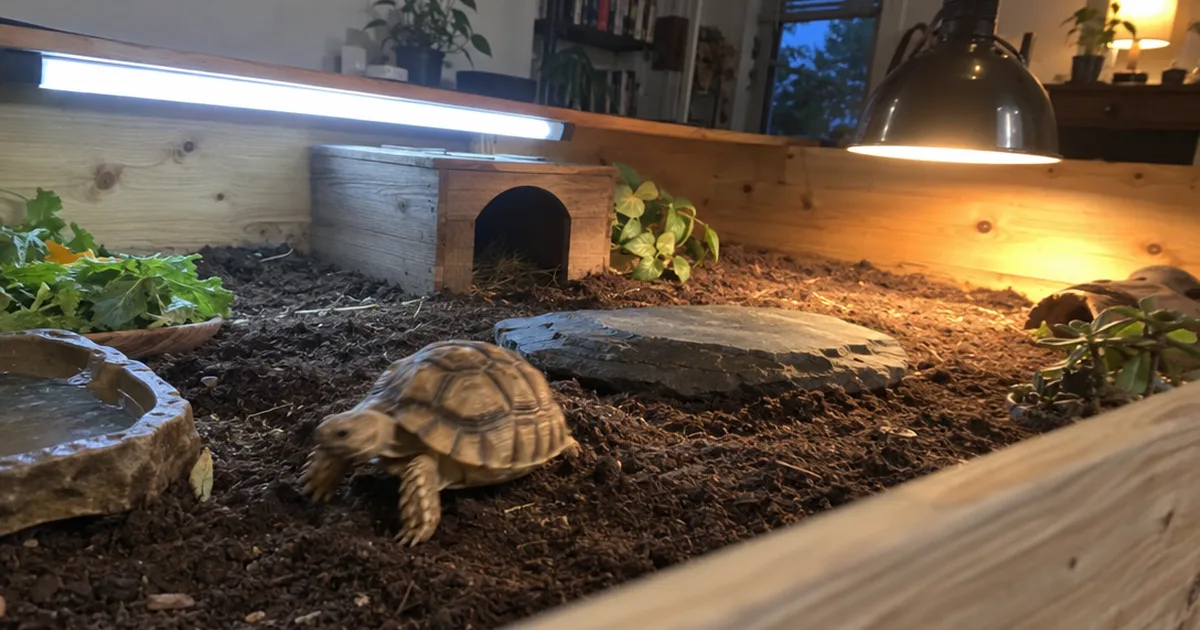
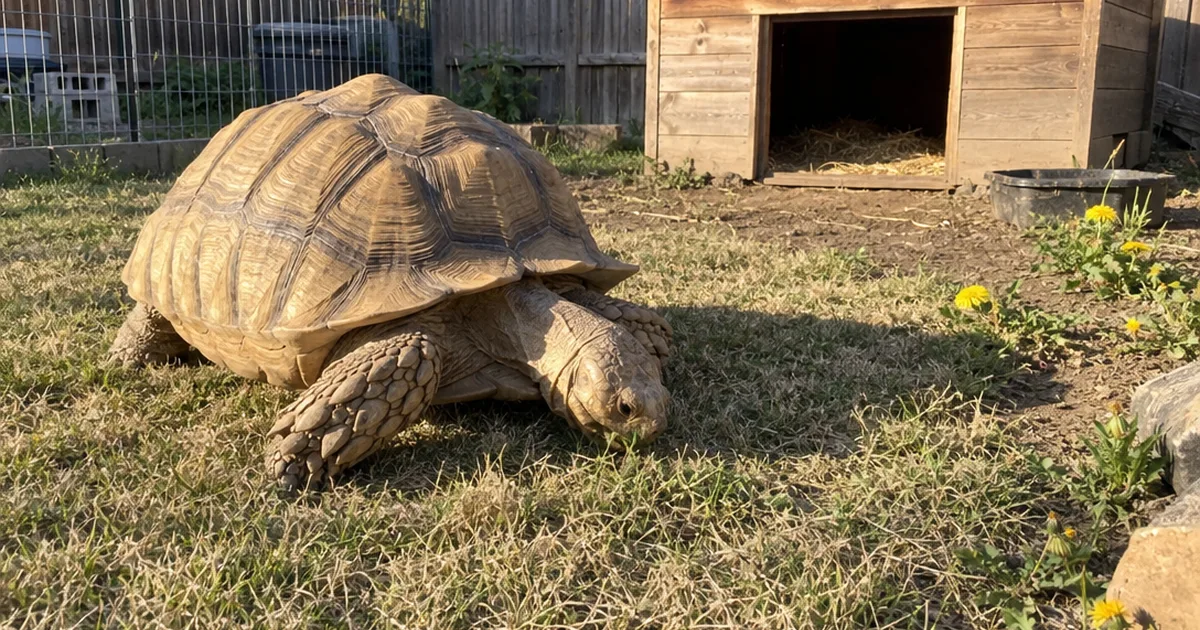
A tortoise is a turtle from the family Testudinidae that lives on land, with a high, domed shell and thick legs built for walking.
That body trades speed for armor.
The Wisconsin group calls tortoise legs blocky and “elephantine”, with little or no webbing between the toes.
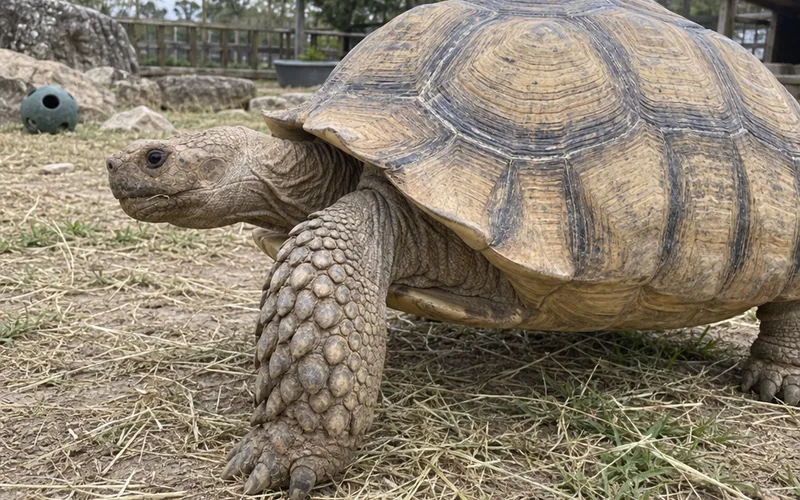
The biggest giant tortoises weigh up to 417 kg (about 919 pounds) and grow 1.3 metres long, according to Africa Geographic.
Common pet tortoises also vary a lot in adult size, so pick yours before you build the pen.
What Is a Terrapin?
In the US, a terrapin almost always means the diamondback terrapin, a turtle of brackish coastal water in the southern and eastern states.
Brackish water is partly salty, like a tidal marsh.
In the UK, the word covers freshwater pond turtles in general, the Wisconsin group notes.
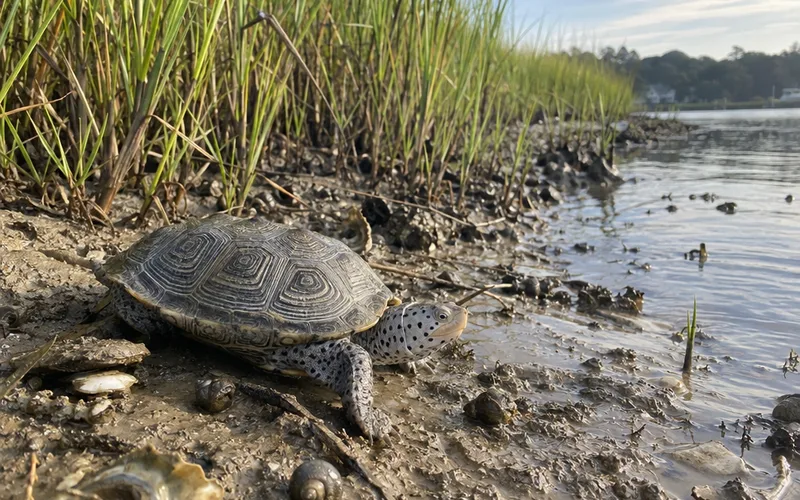
So “terrapin” on a US care sheet means a coastal turtle, and on a British one it means a pond turtle.
How to Tell Them Apart by Shell, Feet and Habitat
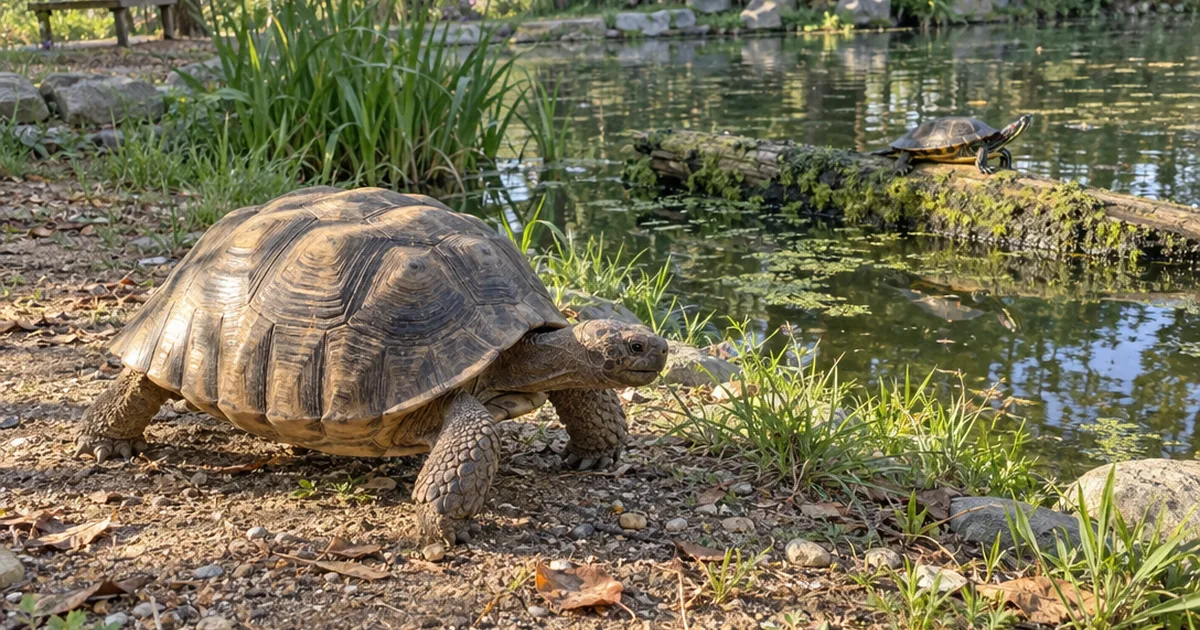
Shell and feet tell a tortoise, turtle and terrapin apart fastest. A tortoise has a high dome and stumpy feet, while water turtles have flat, smooth shells and webbed feet or flippers.
The Wisconsin group ranks shells from flattest to tallest: sea turtles, then pond turtles, then tortoises.
Here’s how the 3 groups line up on traits you can check by eye:
| Trait | Tortoise | Turtle (aquatic) | Terrapin |
|---|---|---|---|
| Habitat | Dry land | Fresh water or sea | Fresh or brackish water, plus land |
| Shell | High dome | Flat, streamlined | Smooth, semi-streamlined |
| Feet | Column-shaped, little webbing | Webbed feet or flippers | Webbed feet with claws |
| Diet | Mainly plants | Omnivores | Omnivores |
Start with the feet, because they’re the hardest trait to fake.
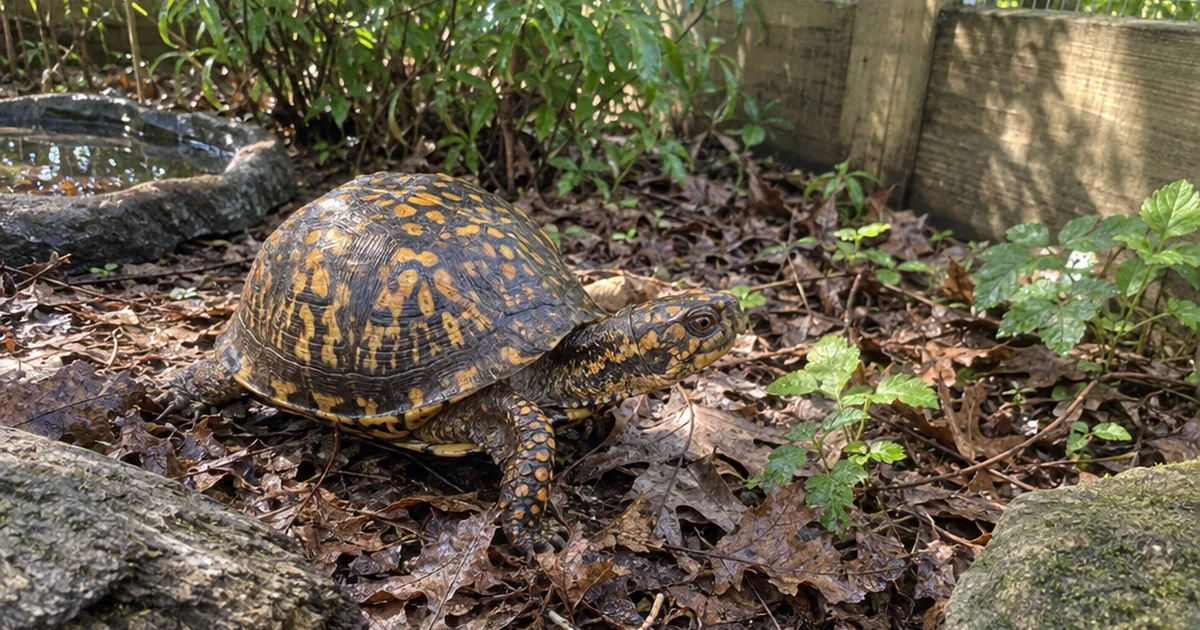
A shell can fool you, and the box turtle proves it.
Why Americans and Brits Use Different Names
Americans call tortoises turtles because US English uses “turtle” for the whole group, not just sea animals.
In America, almost any shelled reptile in or near water is a turtle. British English saves “turtle” for sea animals, “terrapin” for freshwater ones and “tortoise” for land ones, Africa Geographic explained in 2019.
Australia adds a twist.
There, people often call freshwater turtles tortoises, even though no native tortoises live in Australia by US rules, the Wisconsin group says.
So if a care sheet from another country says “tortoise”, check the species name first.
A land tortoise and a pond turtle need very different setups.
Is a Box Turtle a Tortoise or a Terrapin?
A box turtle is neither a tortoise nor a terrapin: it’s a land turtle in the family Emydidae, like most North American pond turtles, the Wisconsin group says.
It still looks the part, with a domed shell and a life spent mostly on land.
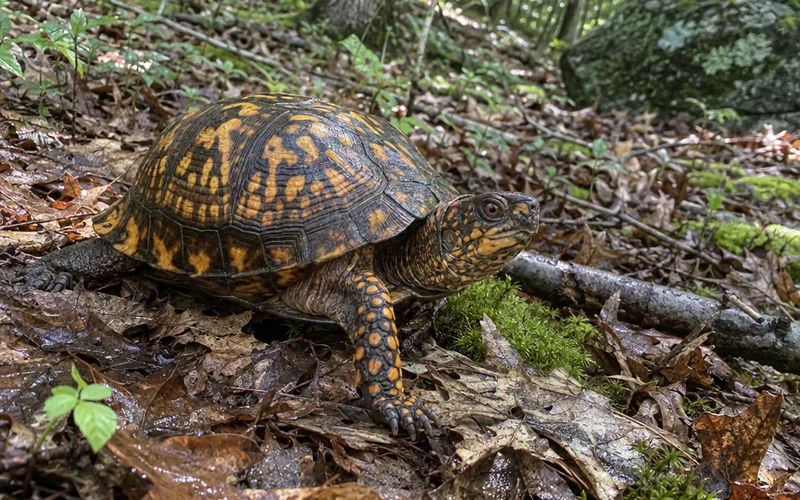
And because its family ties are with pond turtles, box turtle care follows its own rules, not a tortoise care sheet.
Do Turtles, Tortoises and Terrapins Eat the Same Food?
Turtles, tortoises and terrapins don’t eat the same food: tortoises mostly eat plants, while turtles and terrapins eat plants and animals, Africa Geographic says.
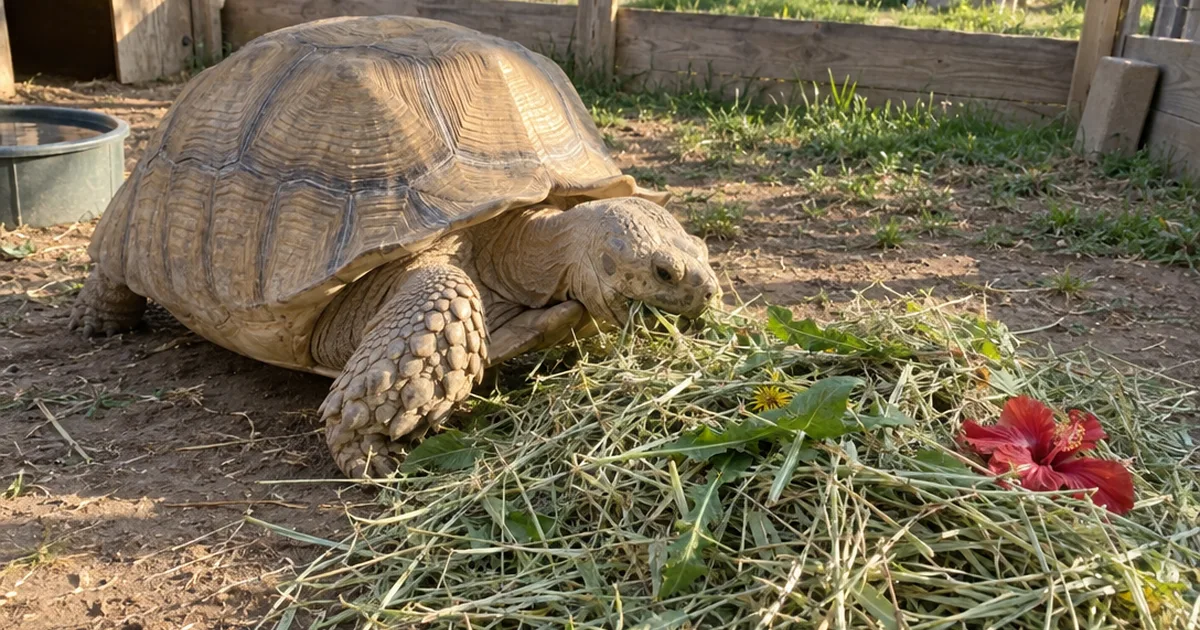
Tortoises are herbivores that graze on low shrubs, cacti, grasses, weeds and fruit.
Terrapins are omnivores. They eat molluscs, small fish, crustaceans, insects, algae and water plants, the same 2019 article says.
So build a land keeper’s shopping list from what tortoises can eat, and a water keeper’s from a full aquatic turtle setup.
Turtle, Tortoise or Terrapin: Which Fits Your Home?
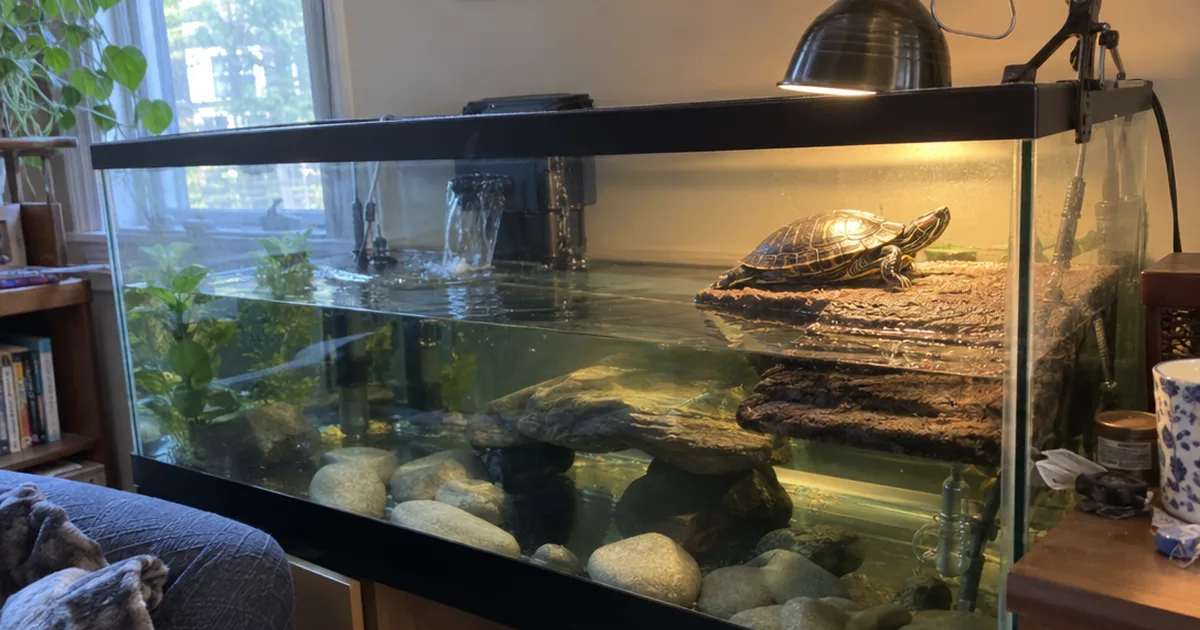
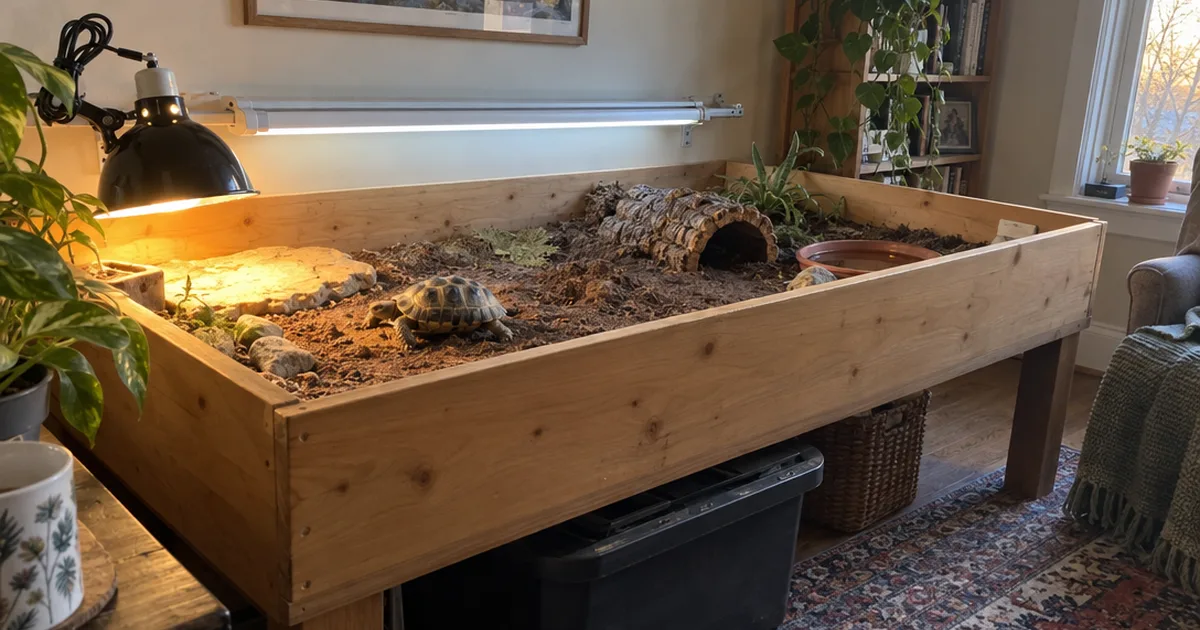
Choosing a turtle, tortoise or terrapin as a pet comes down to your setup: tortoises need dry land, and water turtles and terrapins need water plus a dry spot.
Think long term before you buy a water turtle.
Red-eared sliders rank among the world’s worst invasive species because pets escape or get released, Africa Geographic reported in 2019.
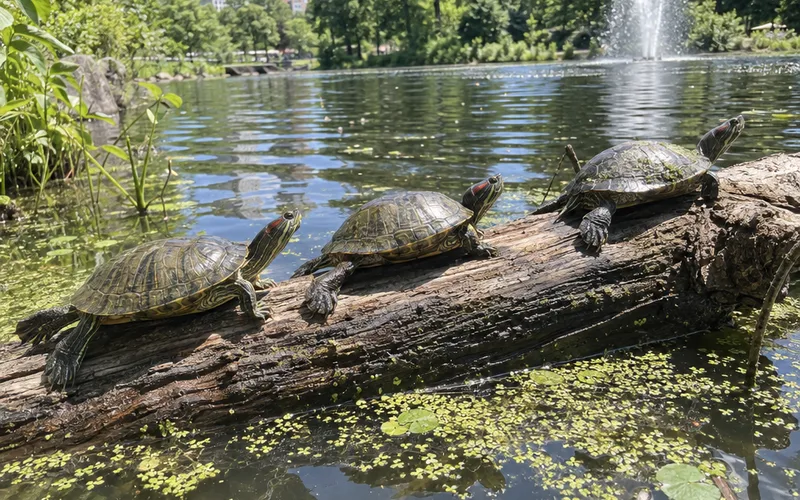
So read up on red-eared slider care first, and plan to keep one for life.
Then compare a tortoise vs turtle pet on space and time, and check tortoise lifespan figures for the tortoise you want.
Frequently Asked Questions
Can tortoises swim?
Tortoises can float and paddle, but they are poor swimmers. The Wisconsin Herpetological Association says true tortoises can swim yet do so far less than water turtles, so give a pet tortoise water it can stand in.
Which lives longer, a turtle or a tortoise?
The oldest known living land animal is a tortoise: Jonathan, a Seychelles giant tortoise, was due to turn 187 in 2019, Africa Geographic reported. Lifespans vary within each group, so check the one you plan to keep.
How big do terrapins get?
Terrapins stay fairly small next to turtles and tortoises, according to Africa Geographic. Adult size still varies, so check yours before you buy a tank.
What are five key differences between turtles and tortoises?
The 5 key differences between turtles and tortoises are habitat, shell, feet, diet and family. Tortoises are land-living Testudinidae with domed shells, column-like feet and plant diets, while water turtles have flat shells, webbed feet or flippers and mixed diets.